Louisiana Primary Delayed
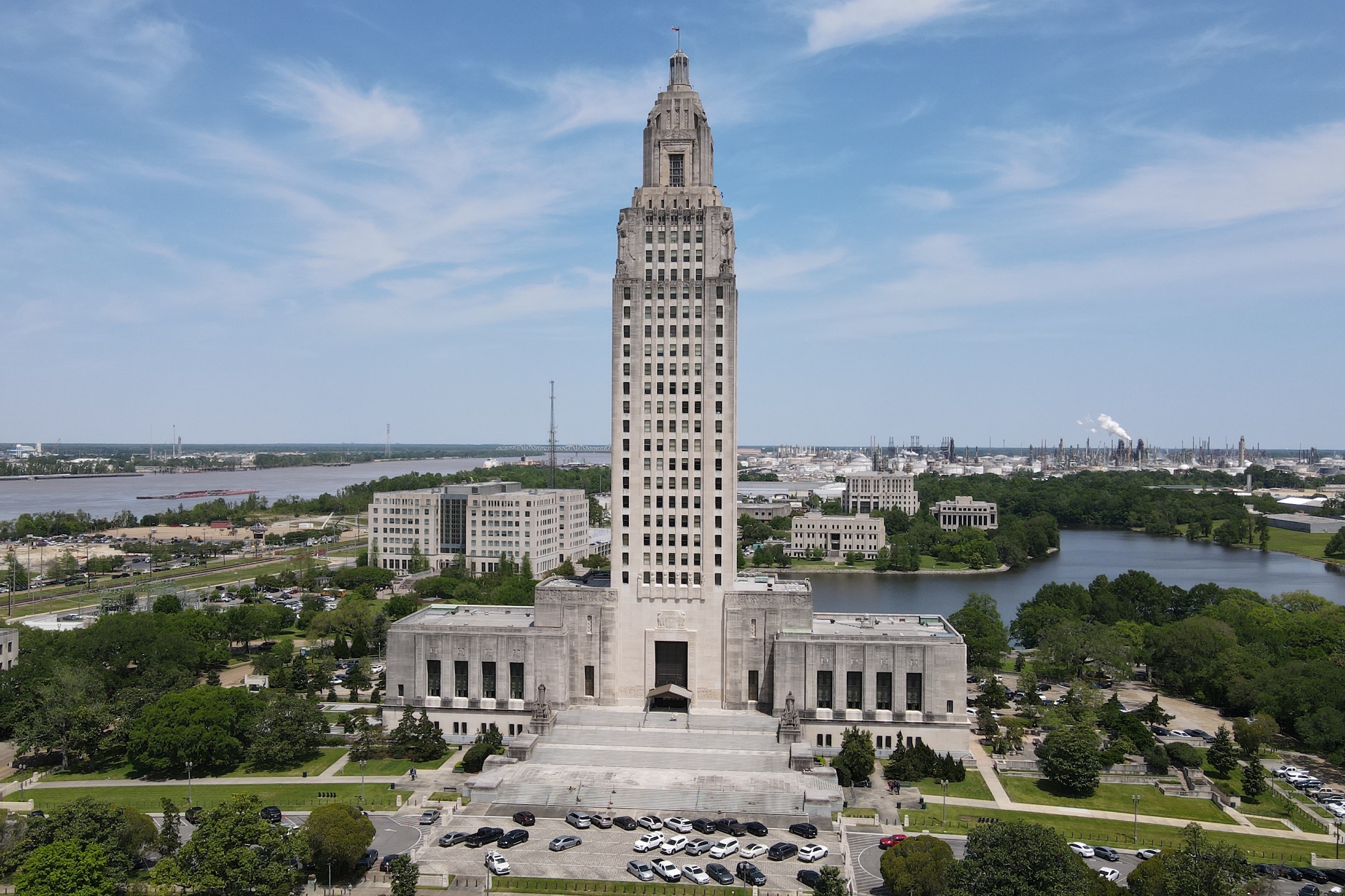
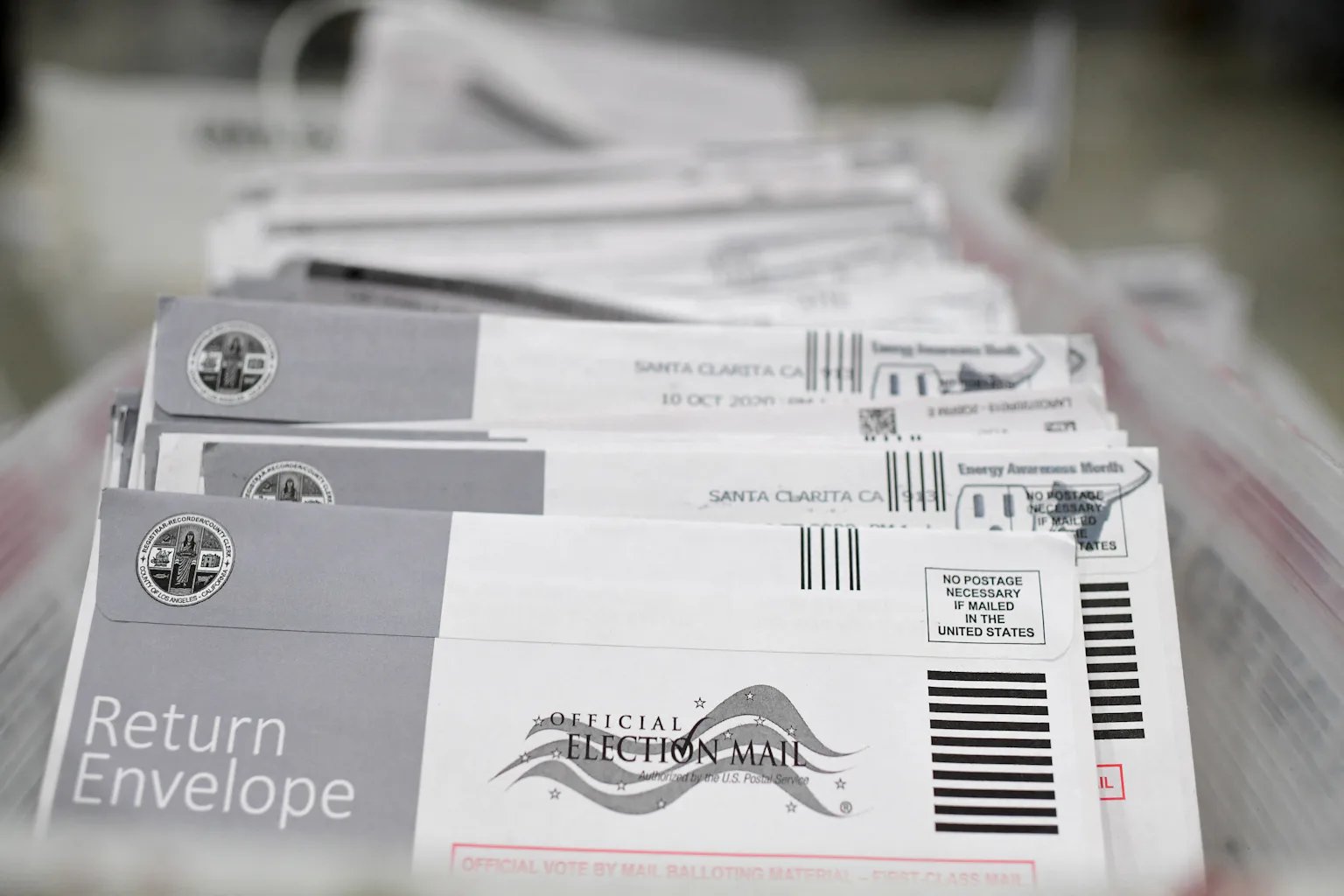
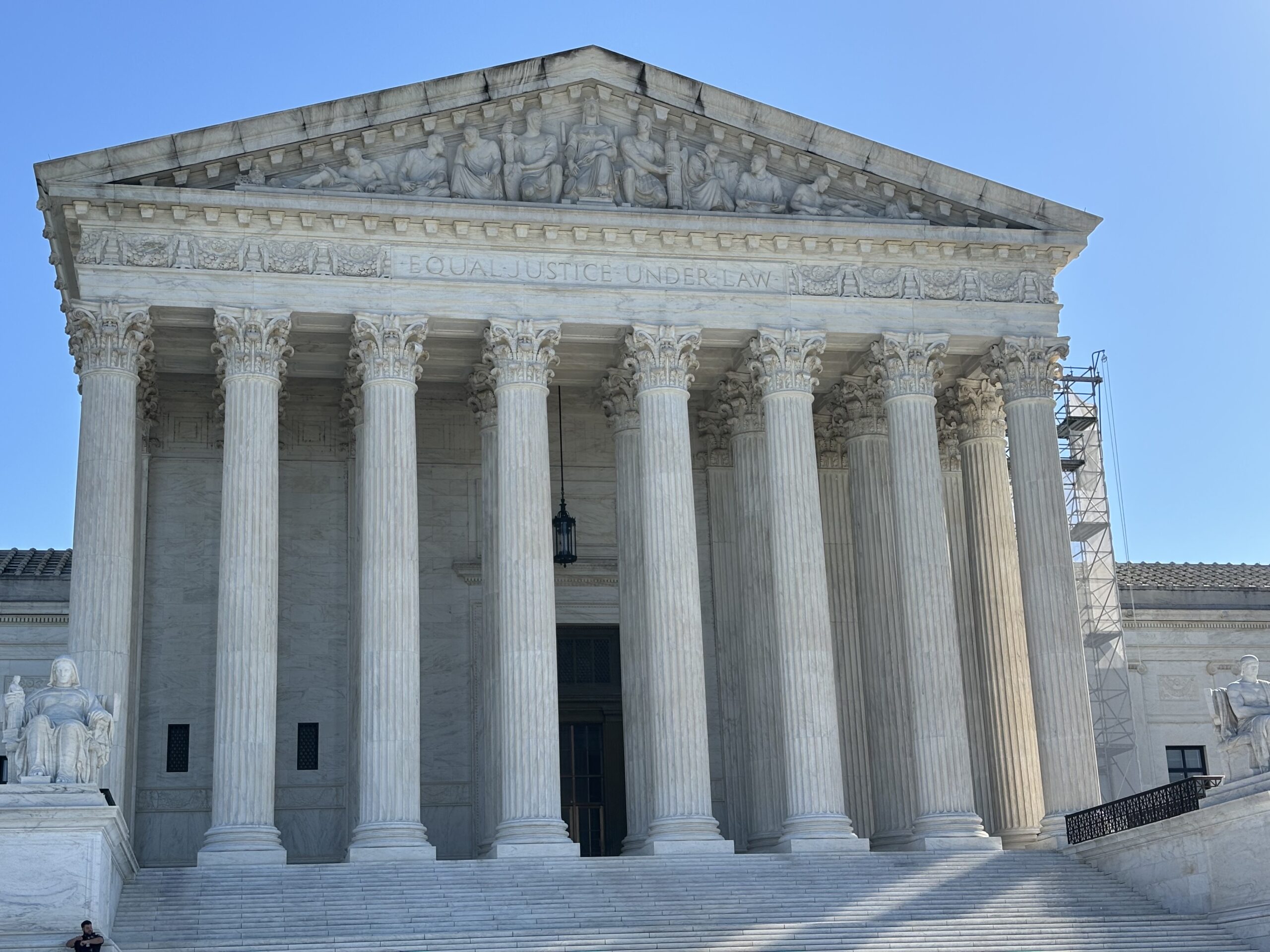
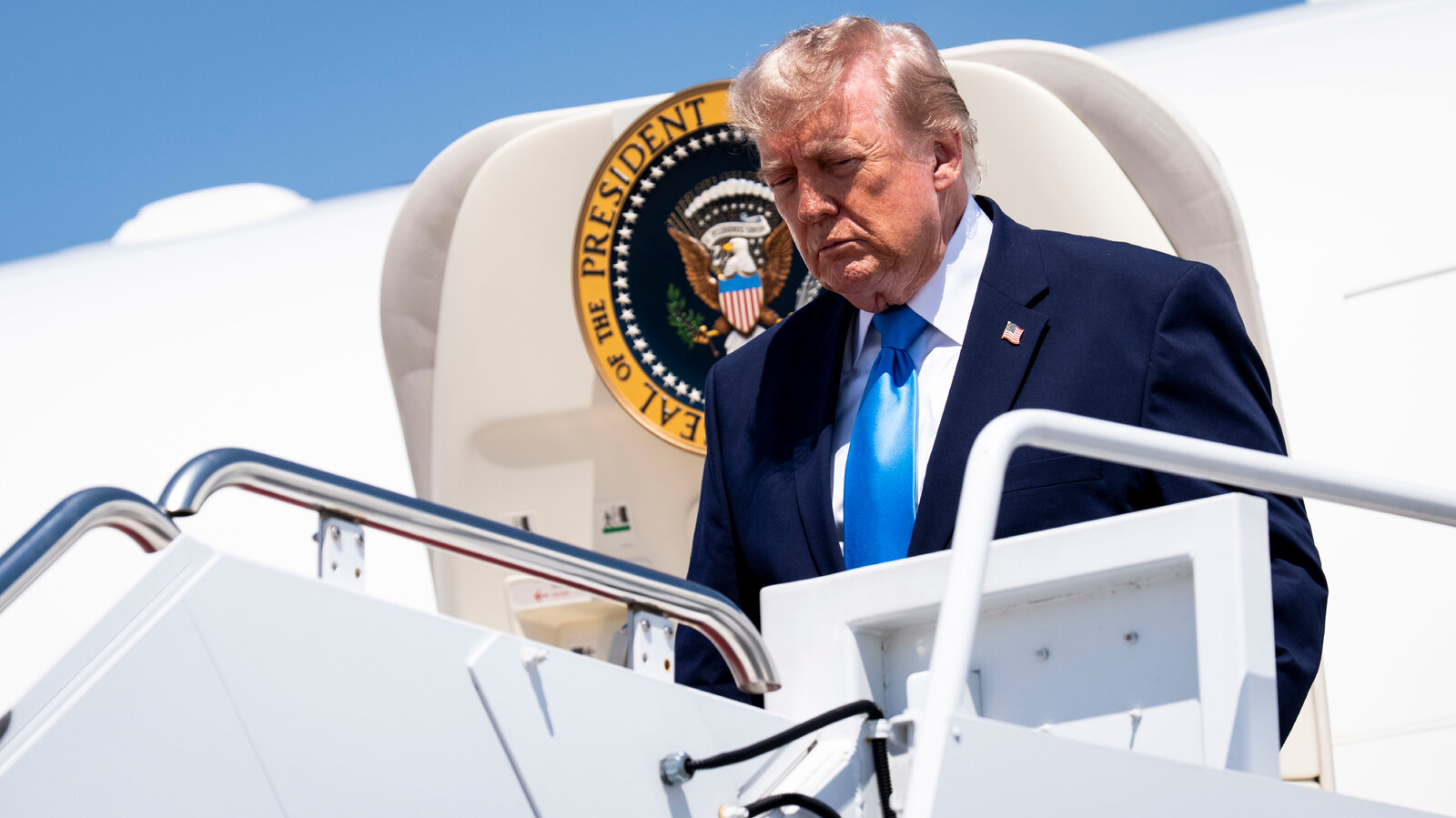
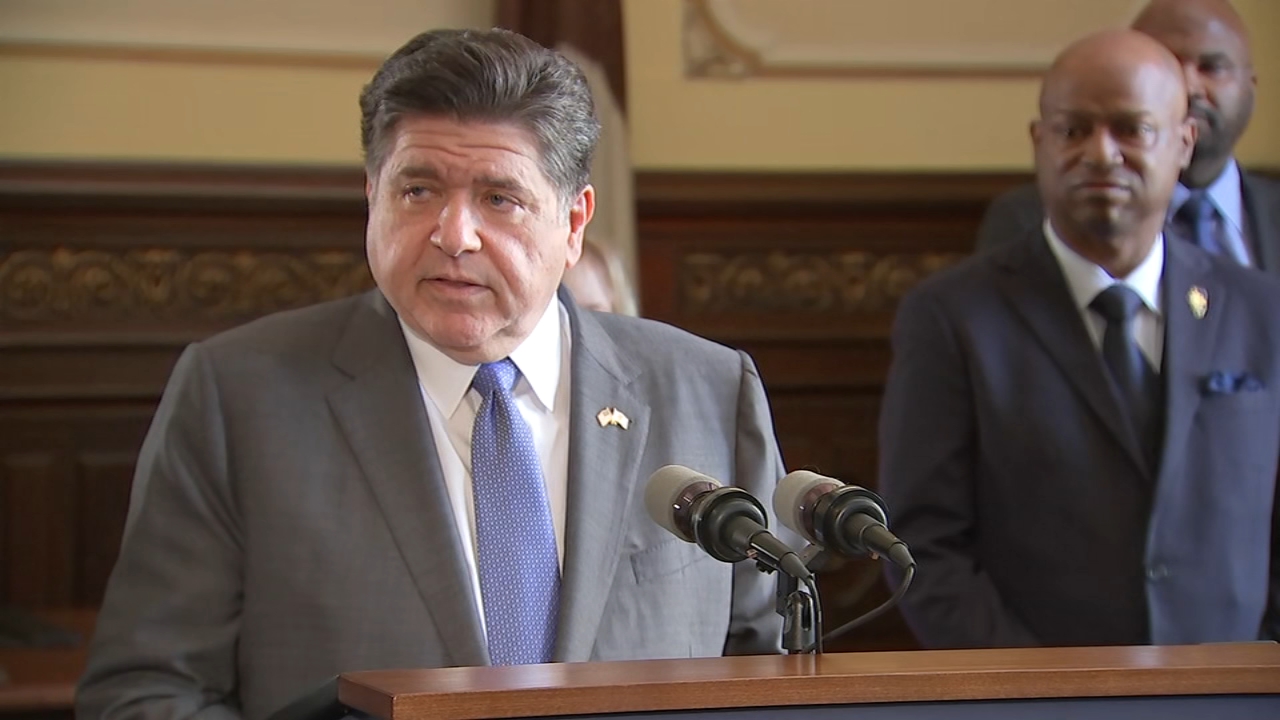
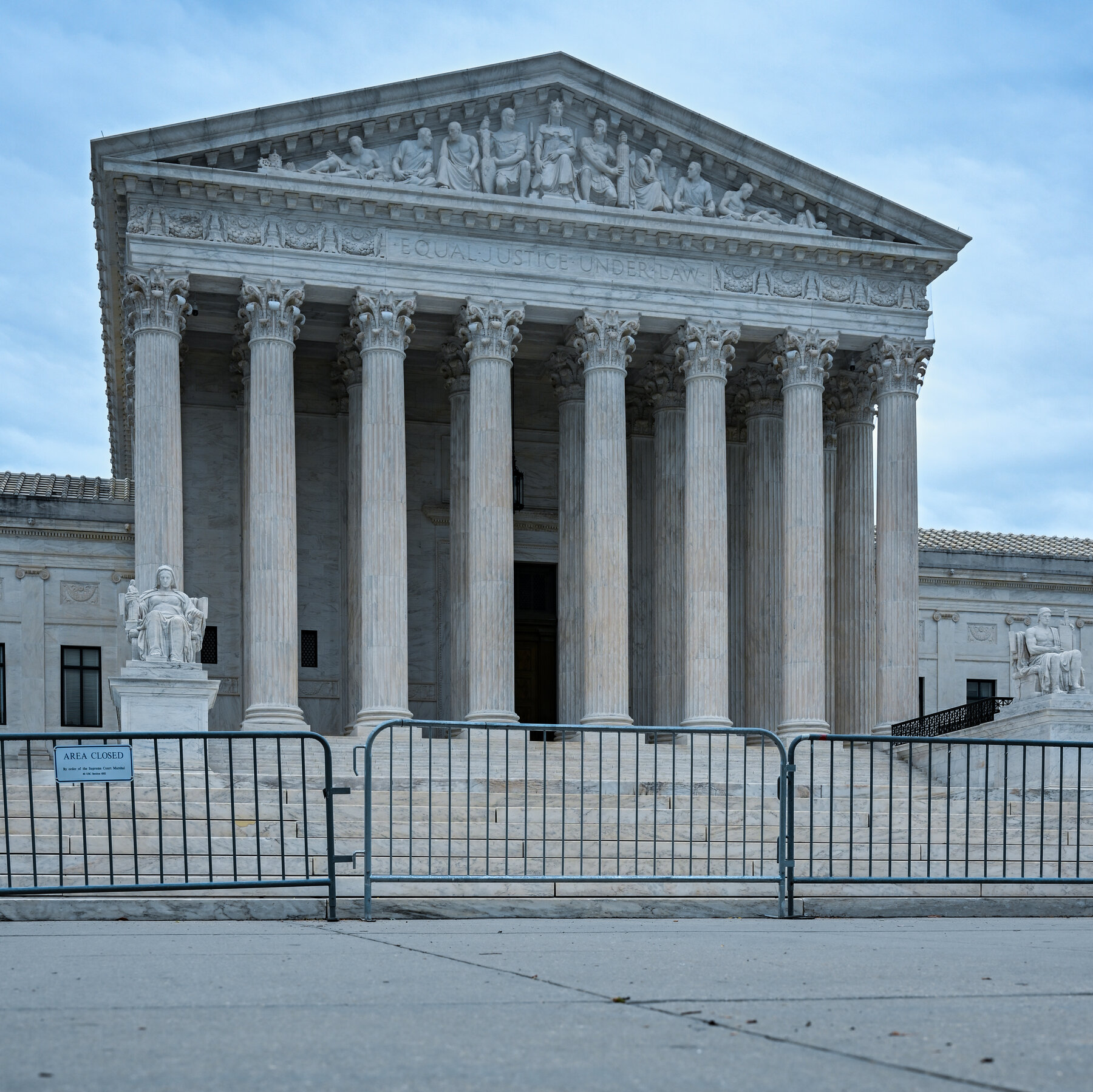
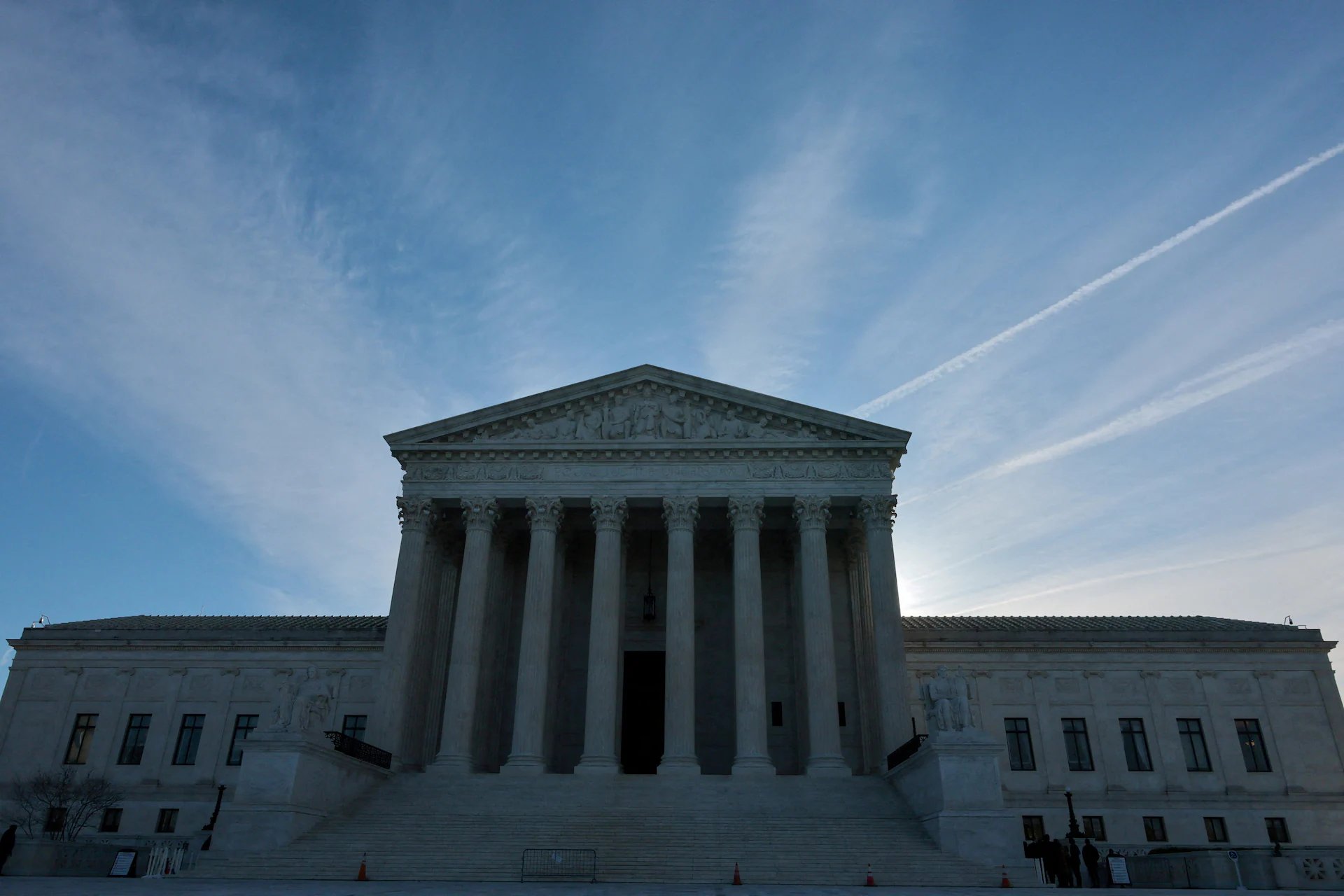
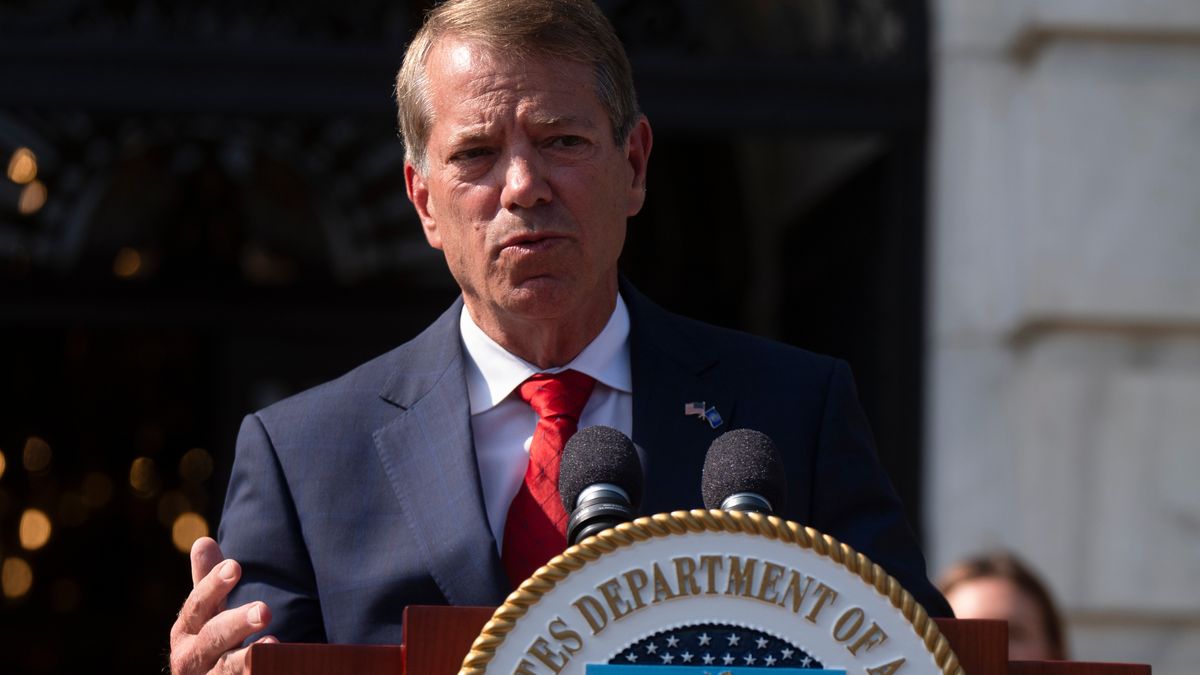
Louisiana Governor Jeff Landry plans to postpone the state's May 16 primary election. This decision follows a Supreme Court ruling that deemed the current congressional district lines an unconstitutional racial gerrymander. Landry informed congressional Republicans of the plan. The Governor and Attorney General Liz Murrill released a joint statement Thursday stating that Louisiana cannot proceed with the existing maps.
Voting Rights Act Limits
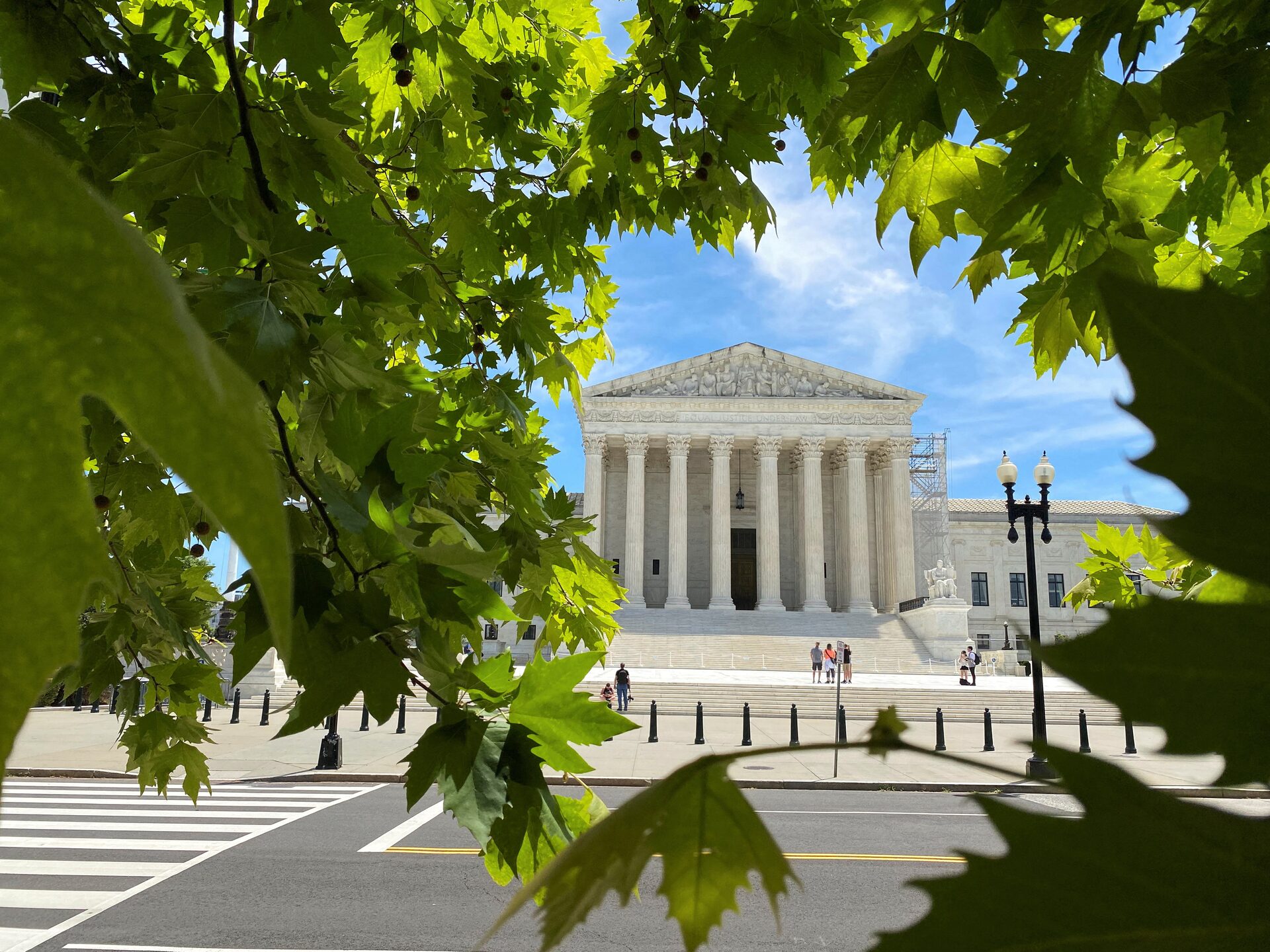
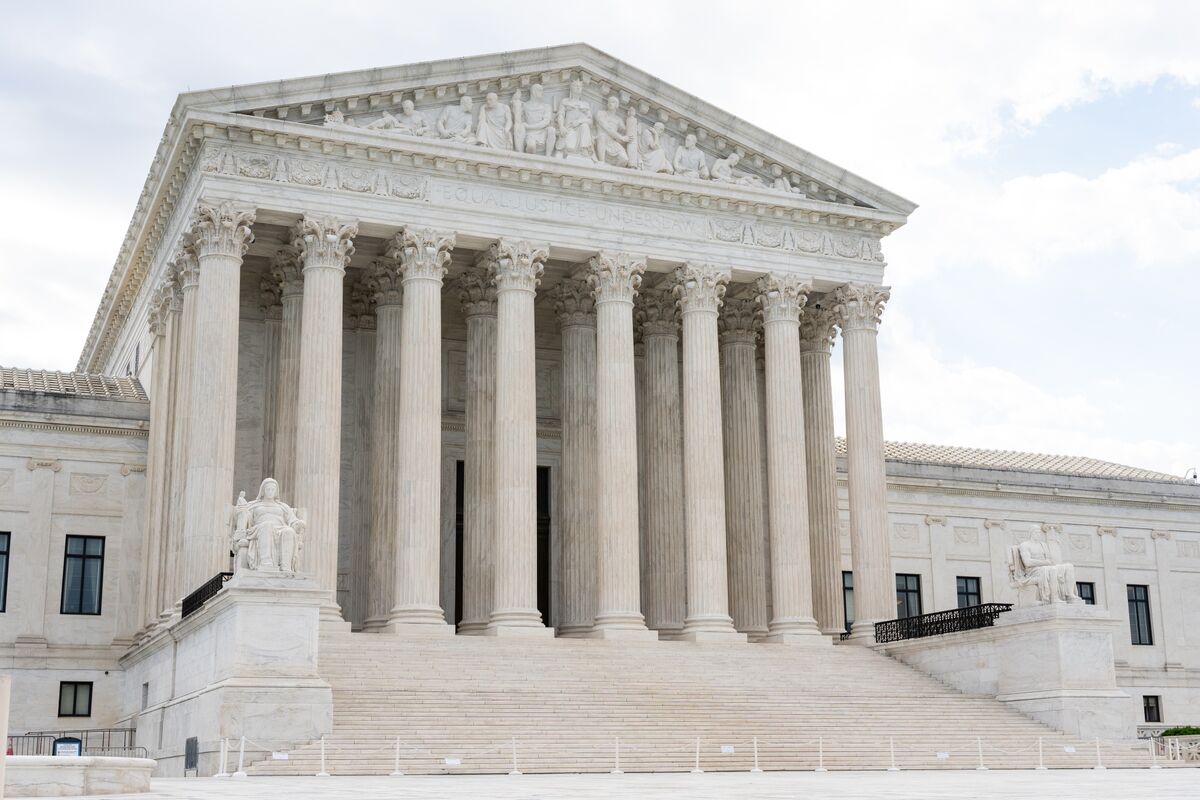
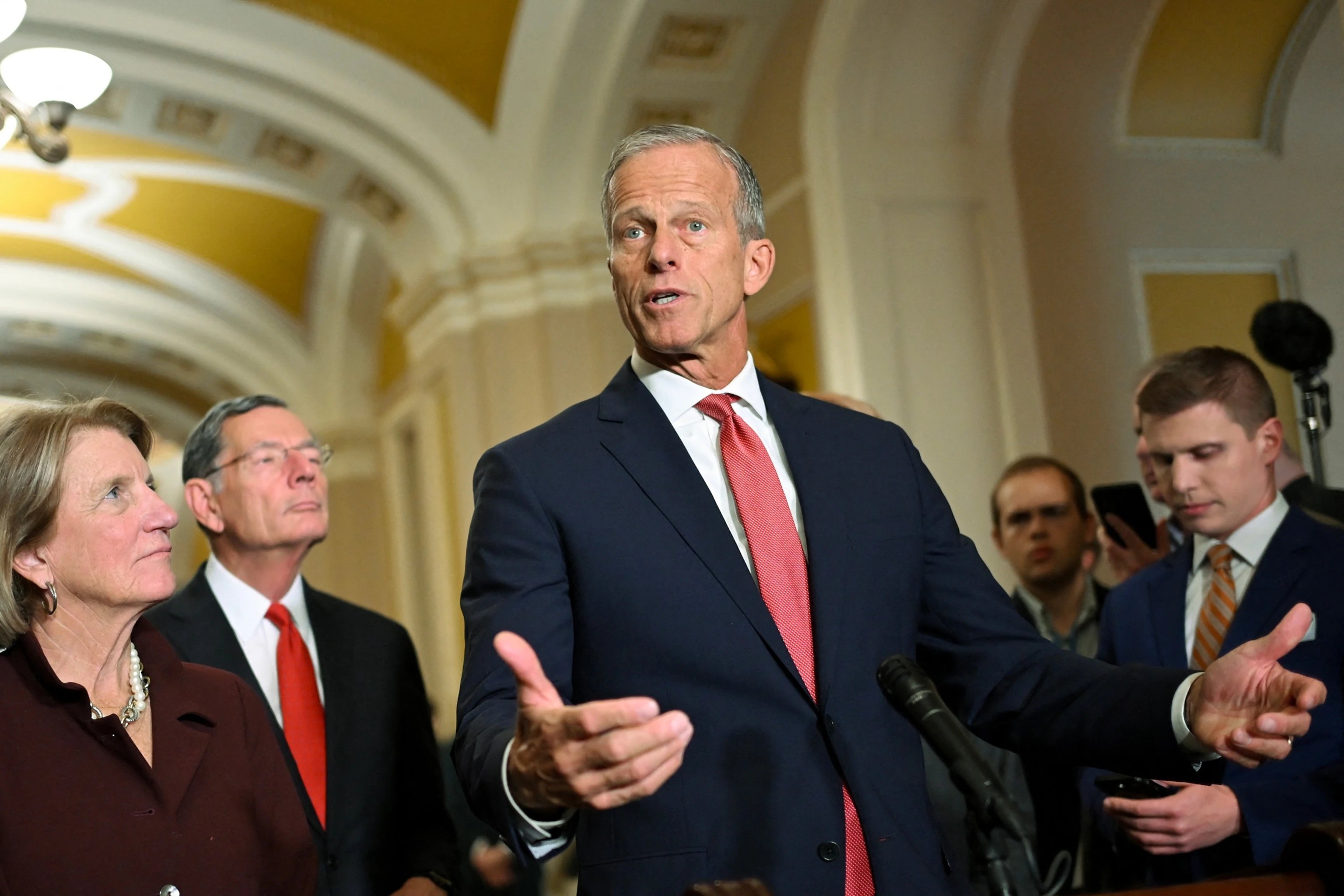
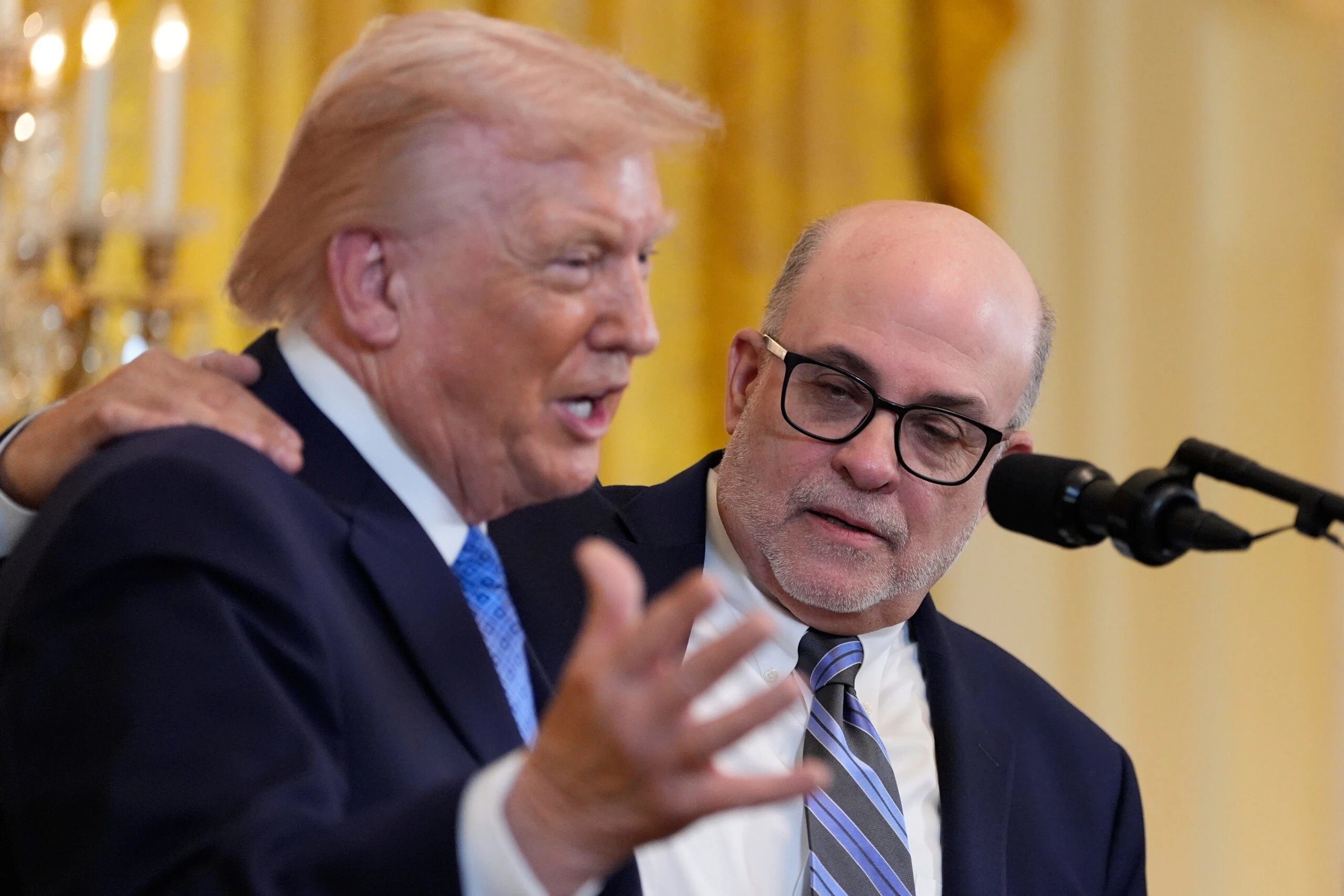
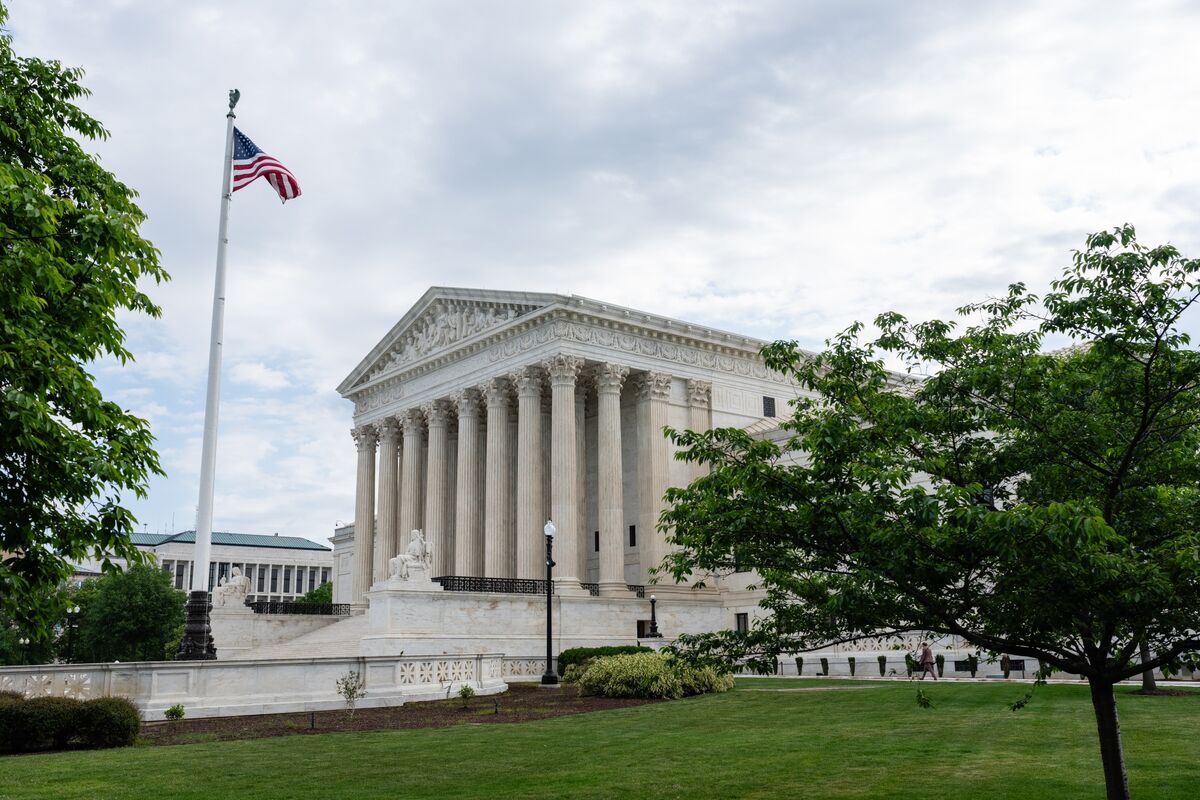
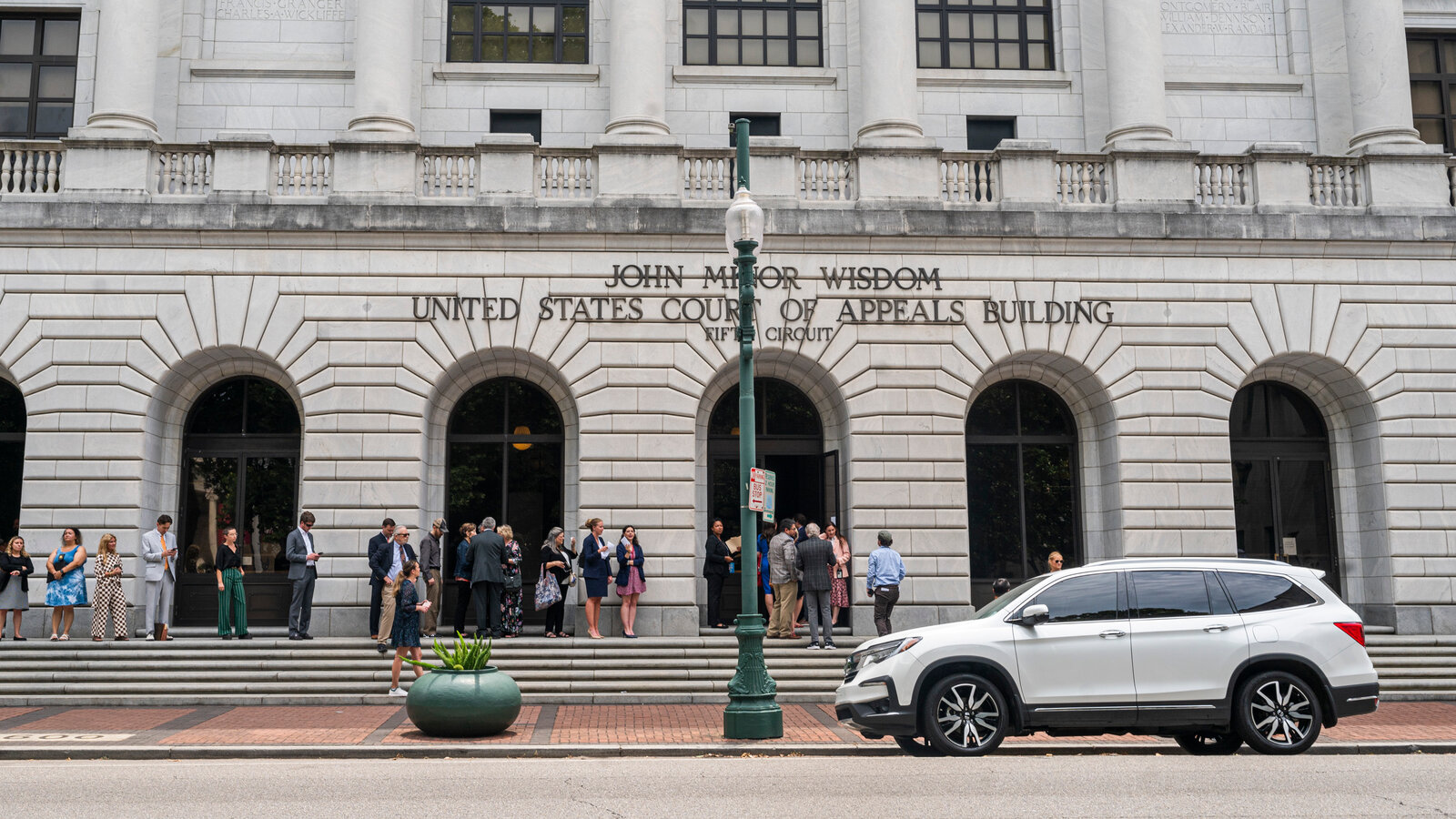
The Supreme Court's decision limits provisions of the Voting Rights Act, which previously ensured the creation of majority-minority districts. Justice Samuel Alito wrote that allowing race to influence government decision-making deviates from constitutional principles. The ruling could allow Republican-controlled states to redraw district lines, potentially boosting their party's chances in congressional races.
Redistricting Impact
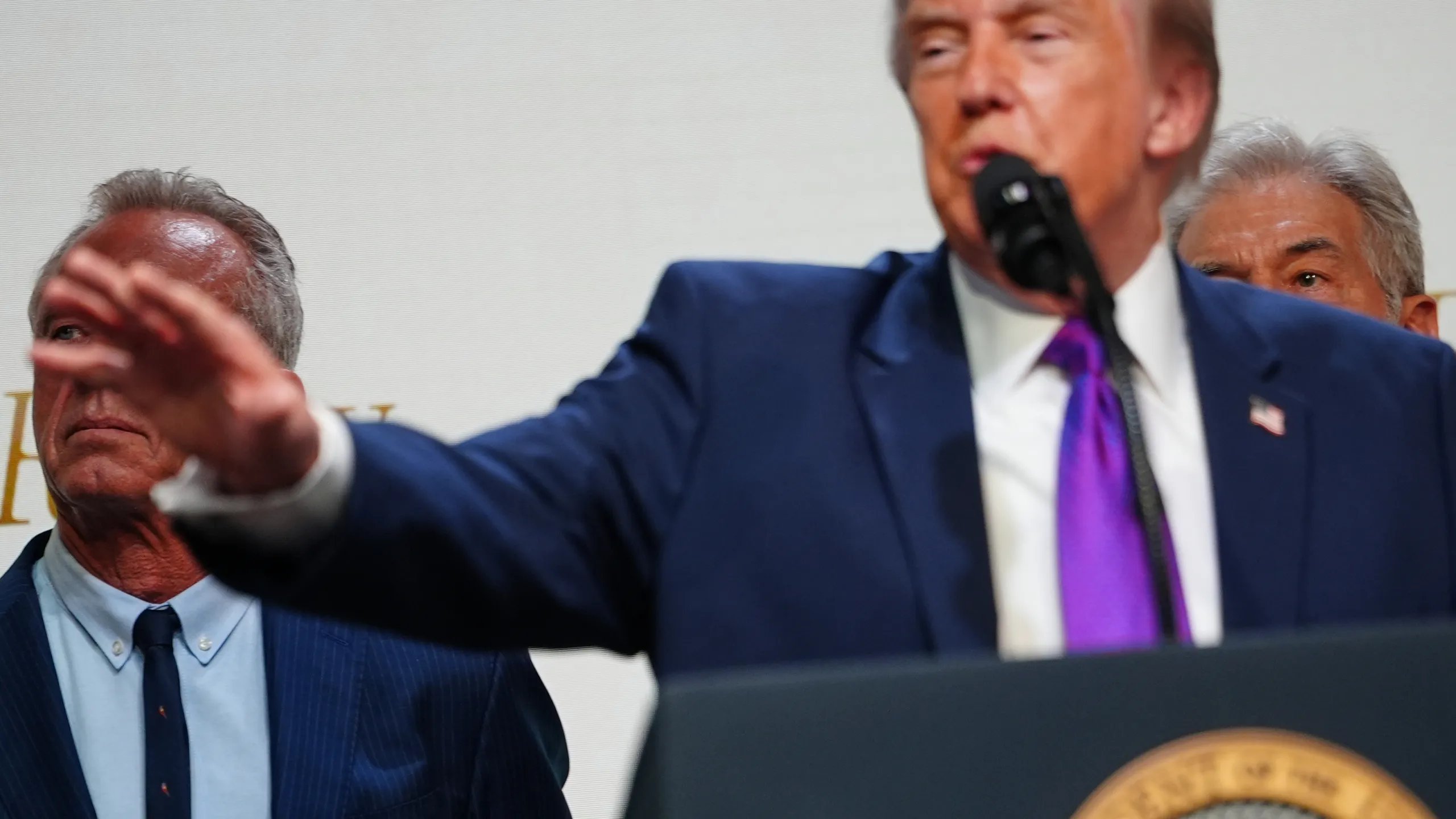
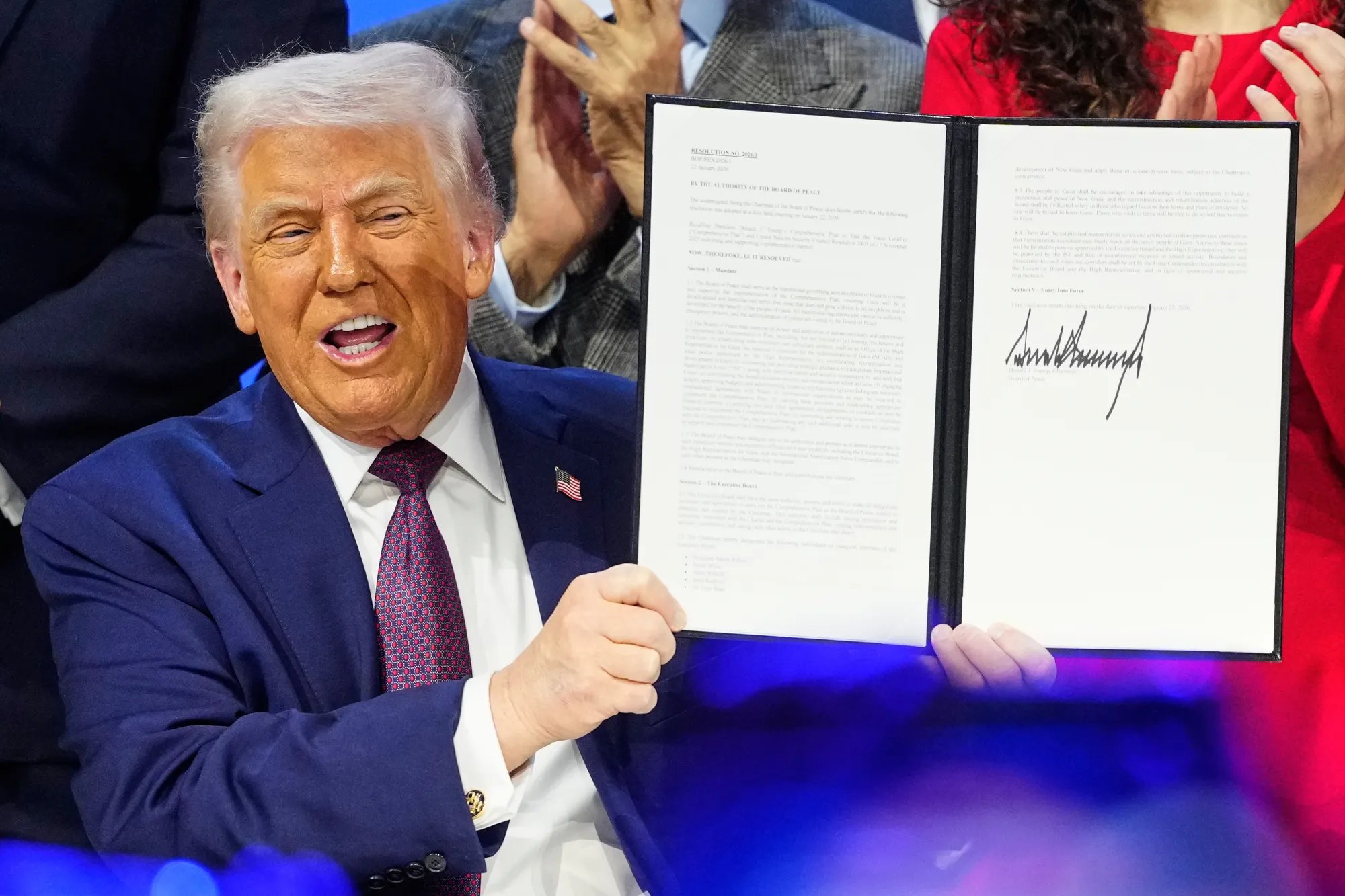
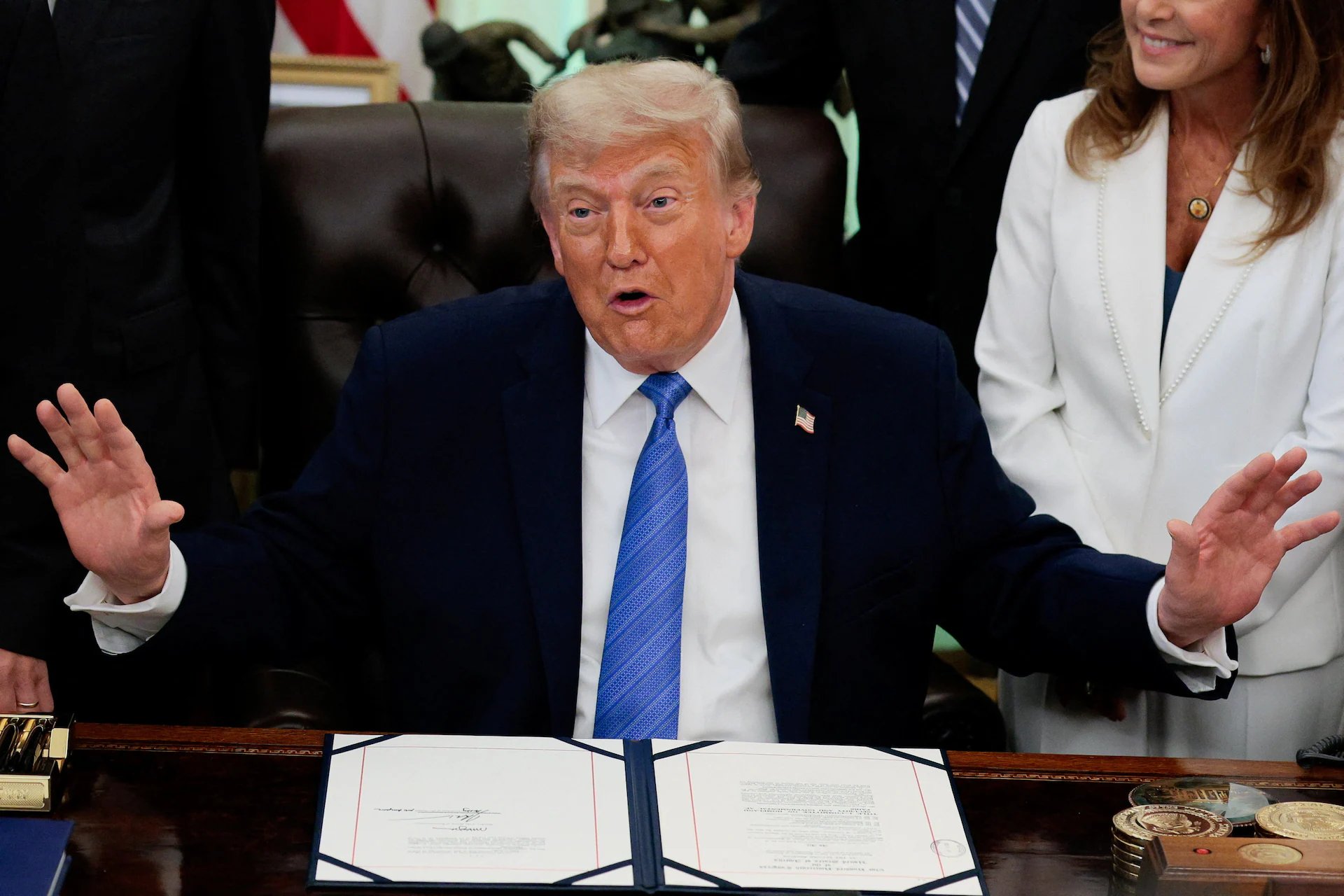
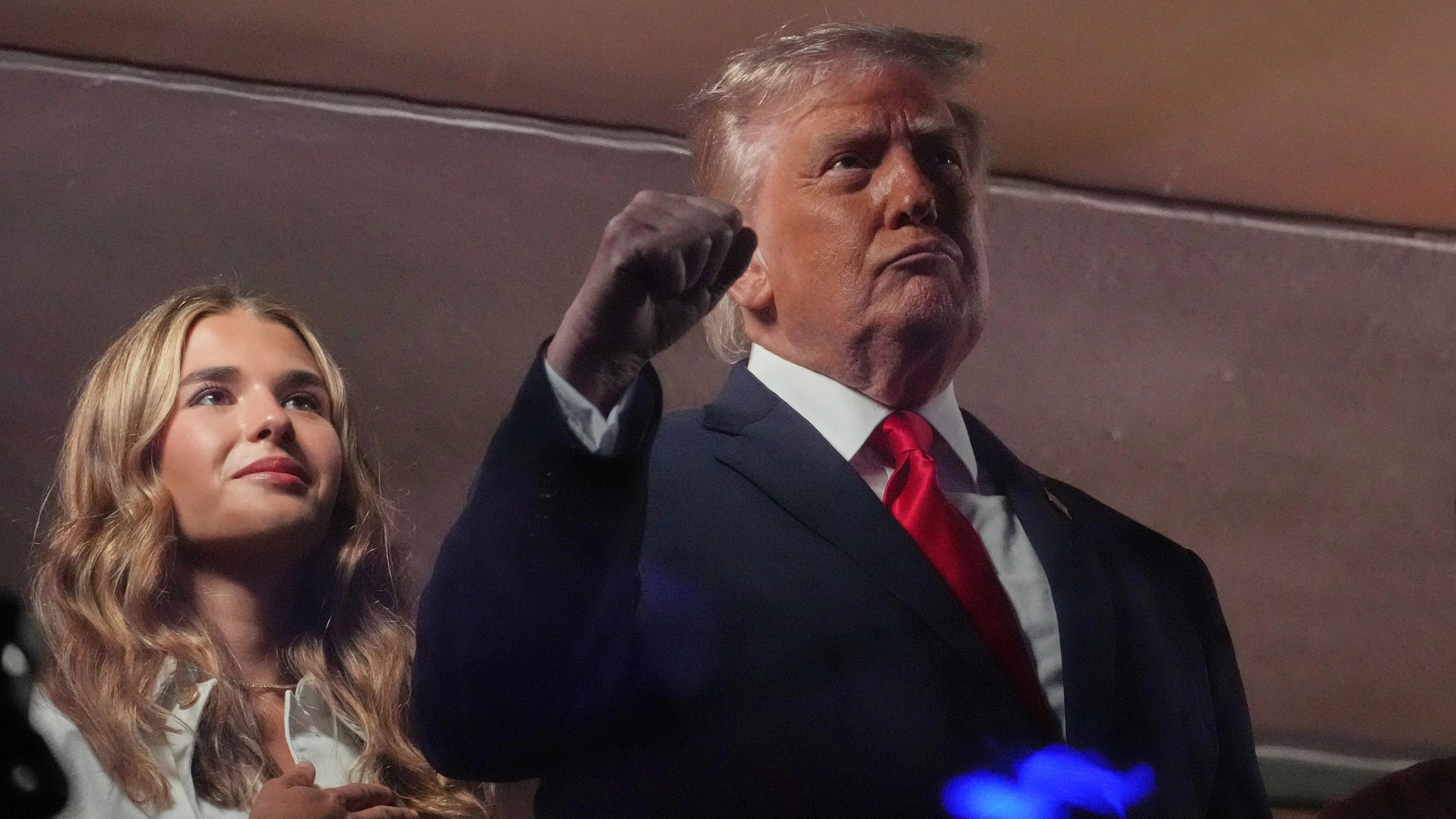
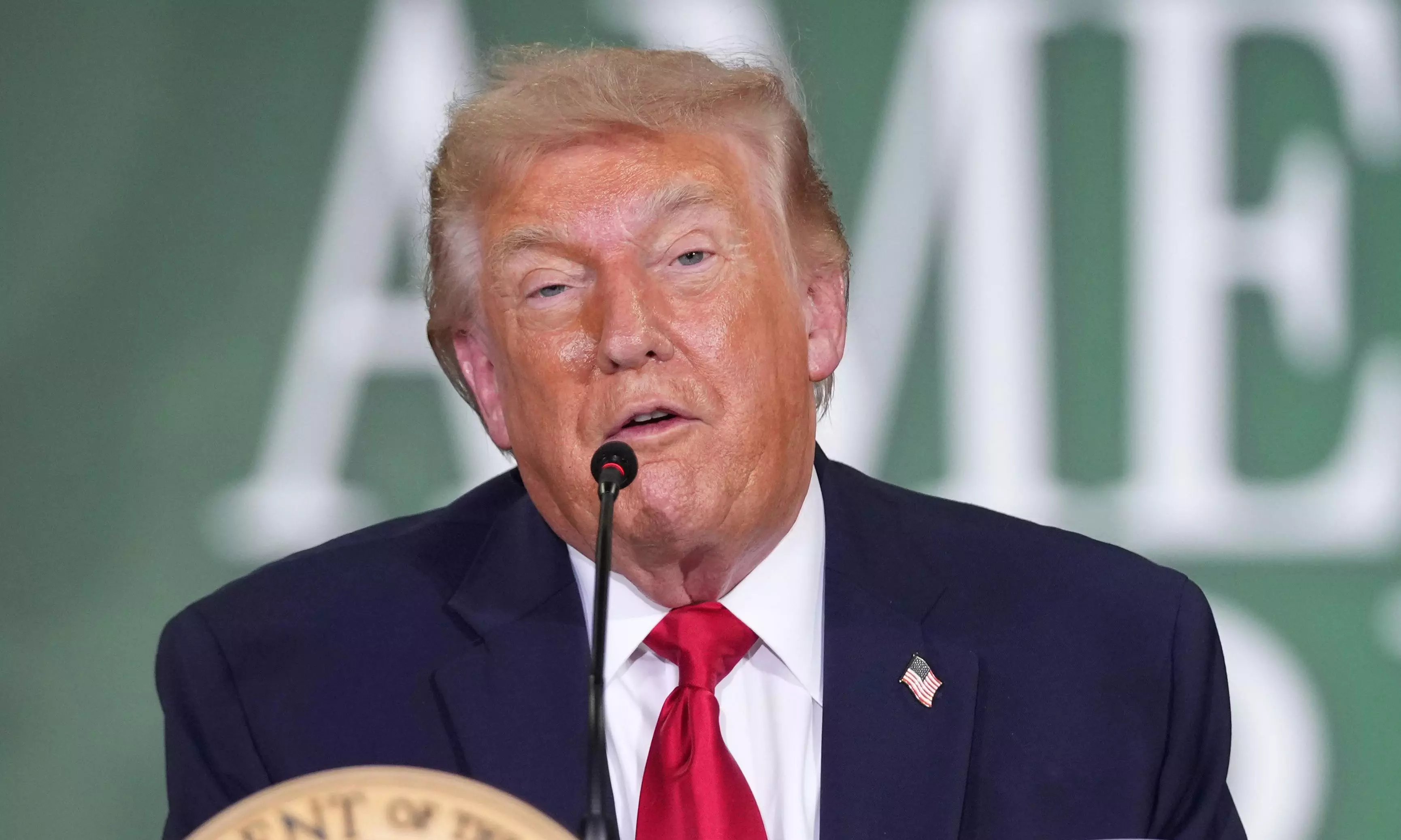
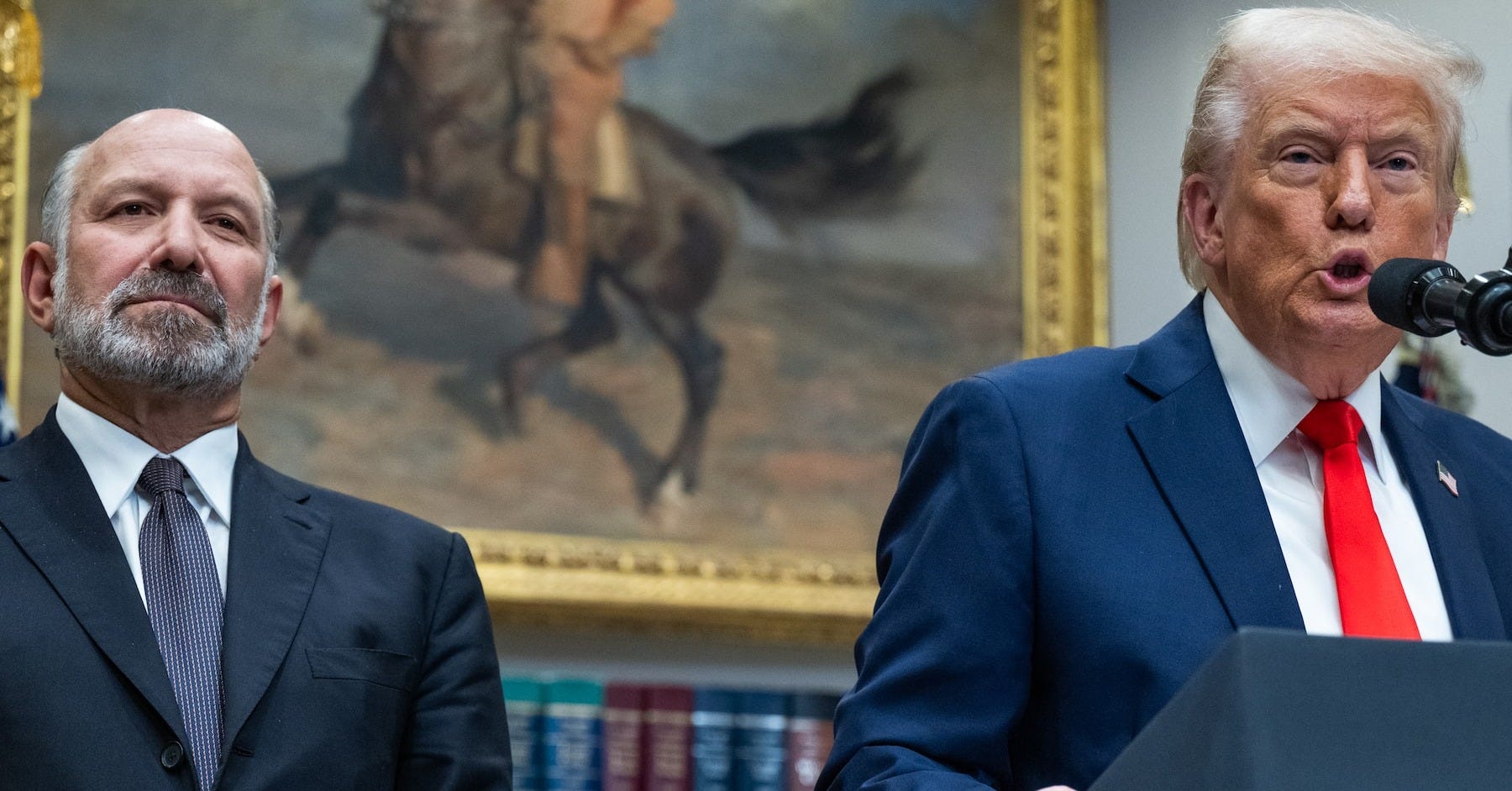
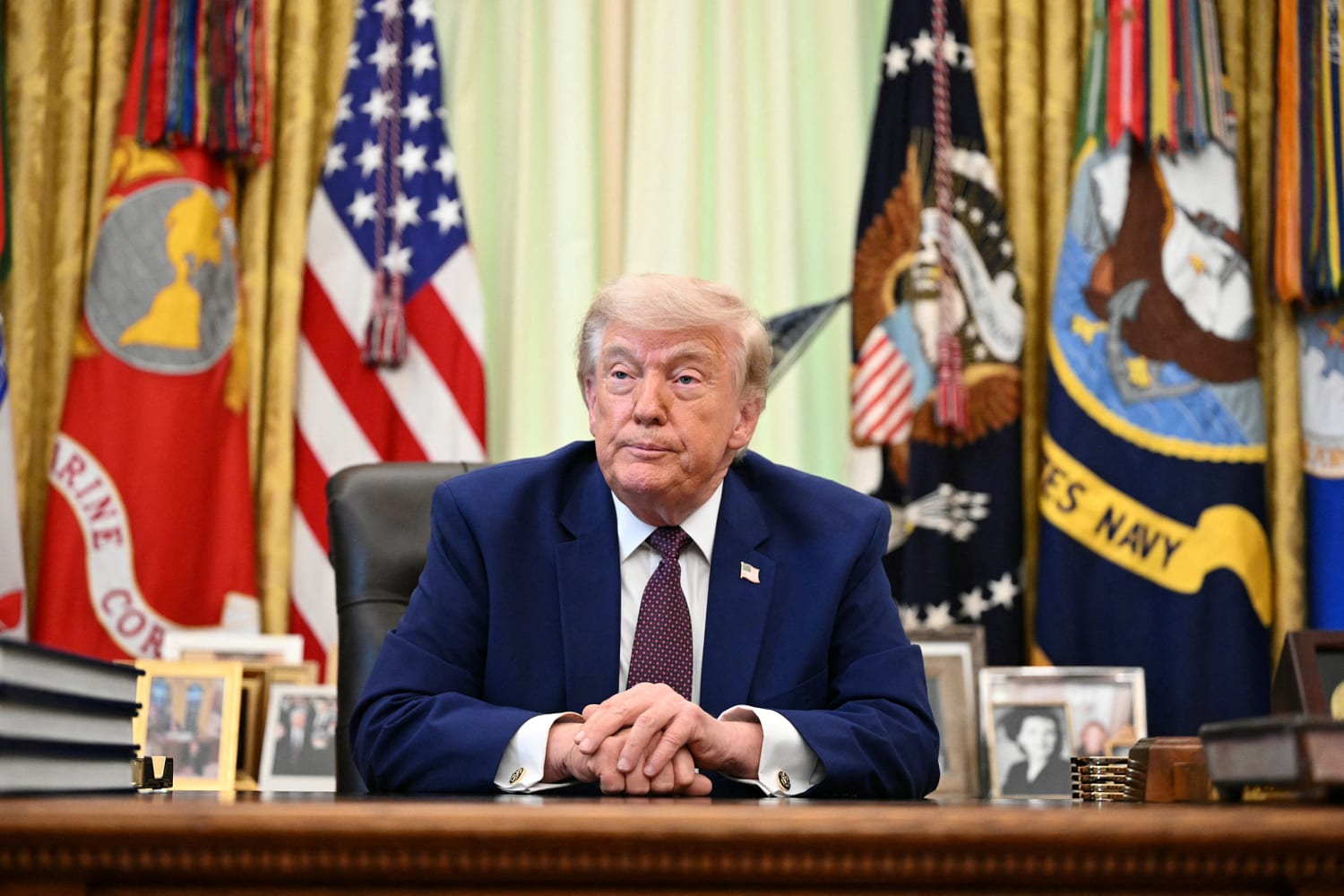
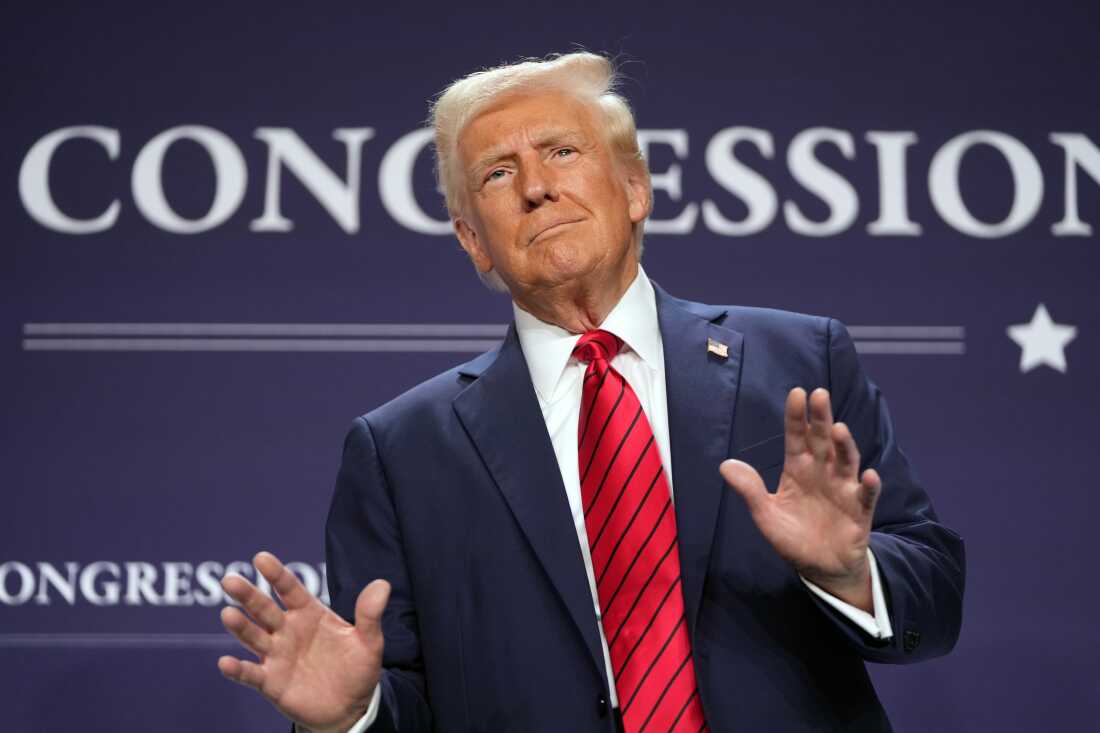
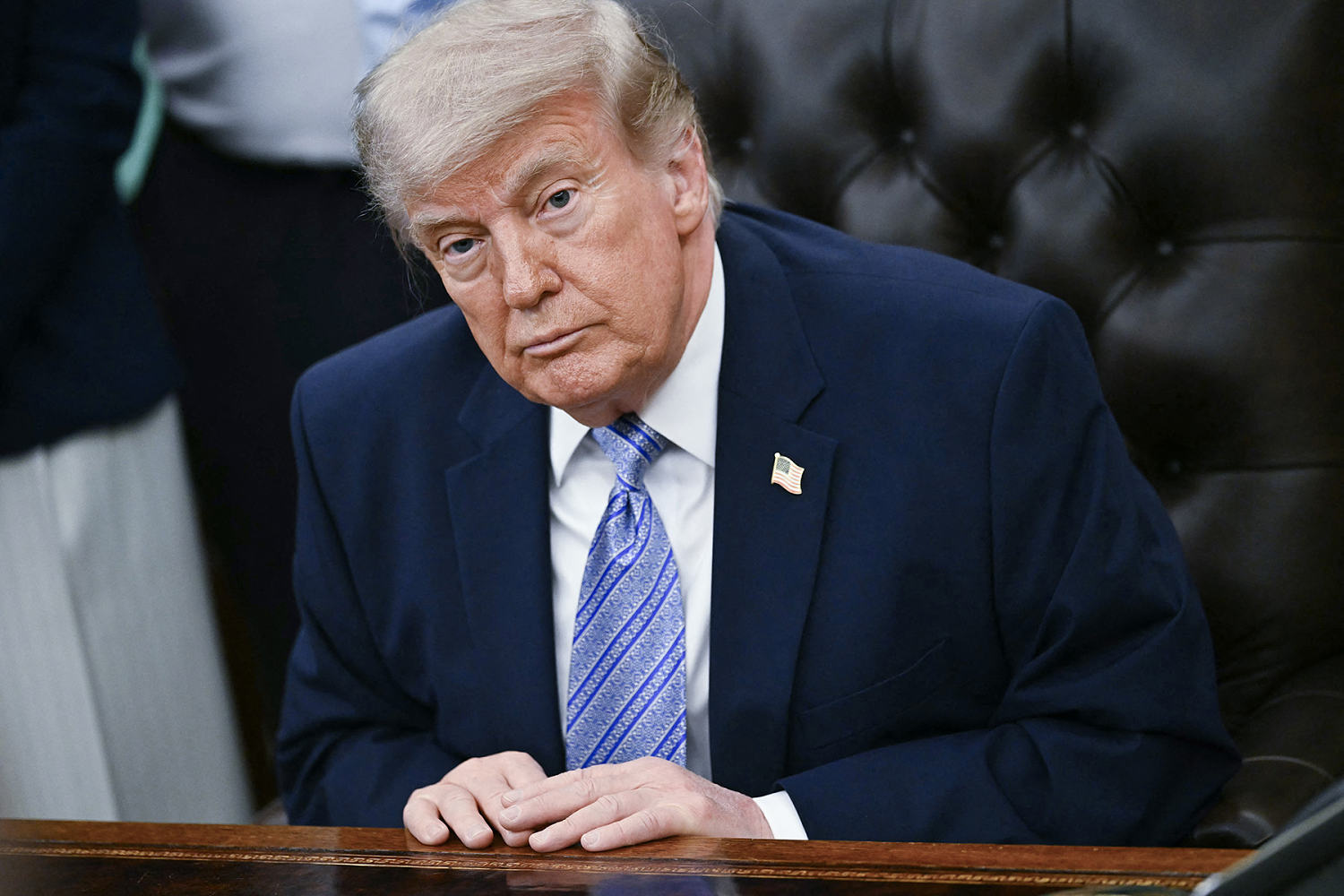
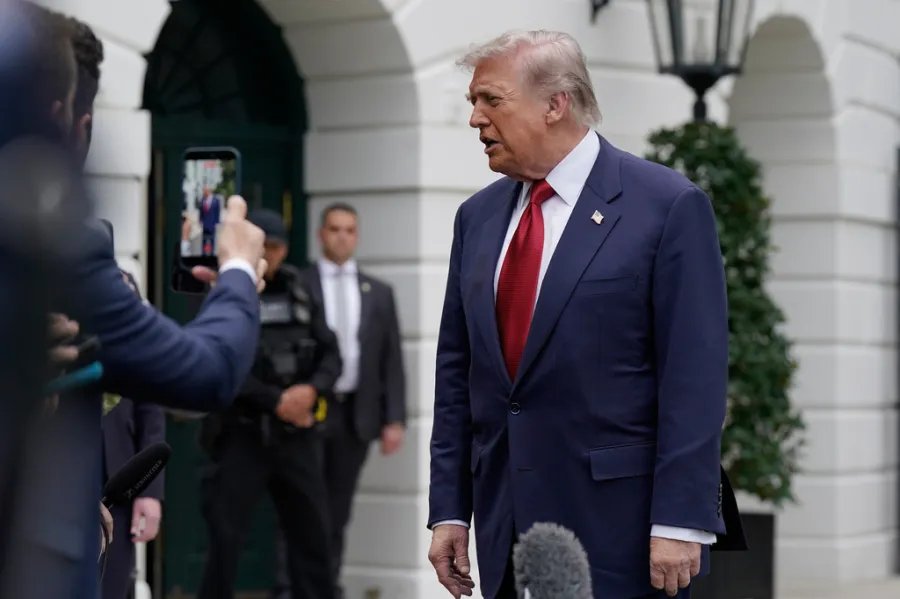
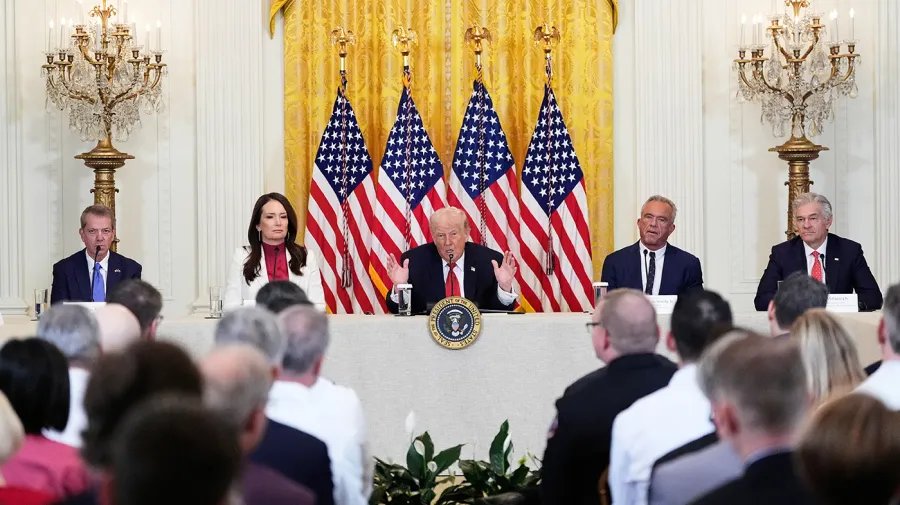
Republican lawmakers are expected to redraw Louisiana's maps, potentially eliminating at least one of the state’s two Democratic-held districts. Representative Cleo Fields' district is at the center of the court challenge. Representative Troy Carter represents much of New Orleans. President Donald Trump thanked Governor Landry "for moving so quickly" on the redistricting.
Reactions to the Ruling
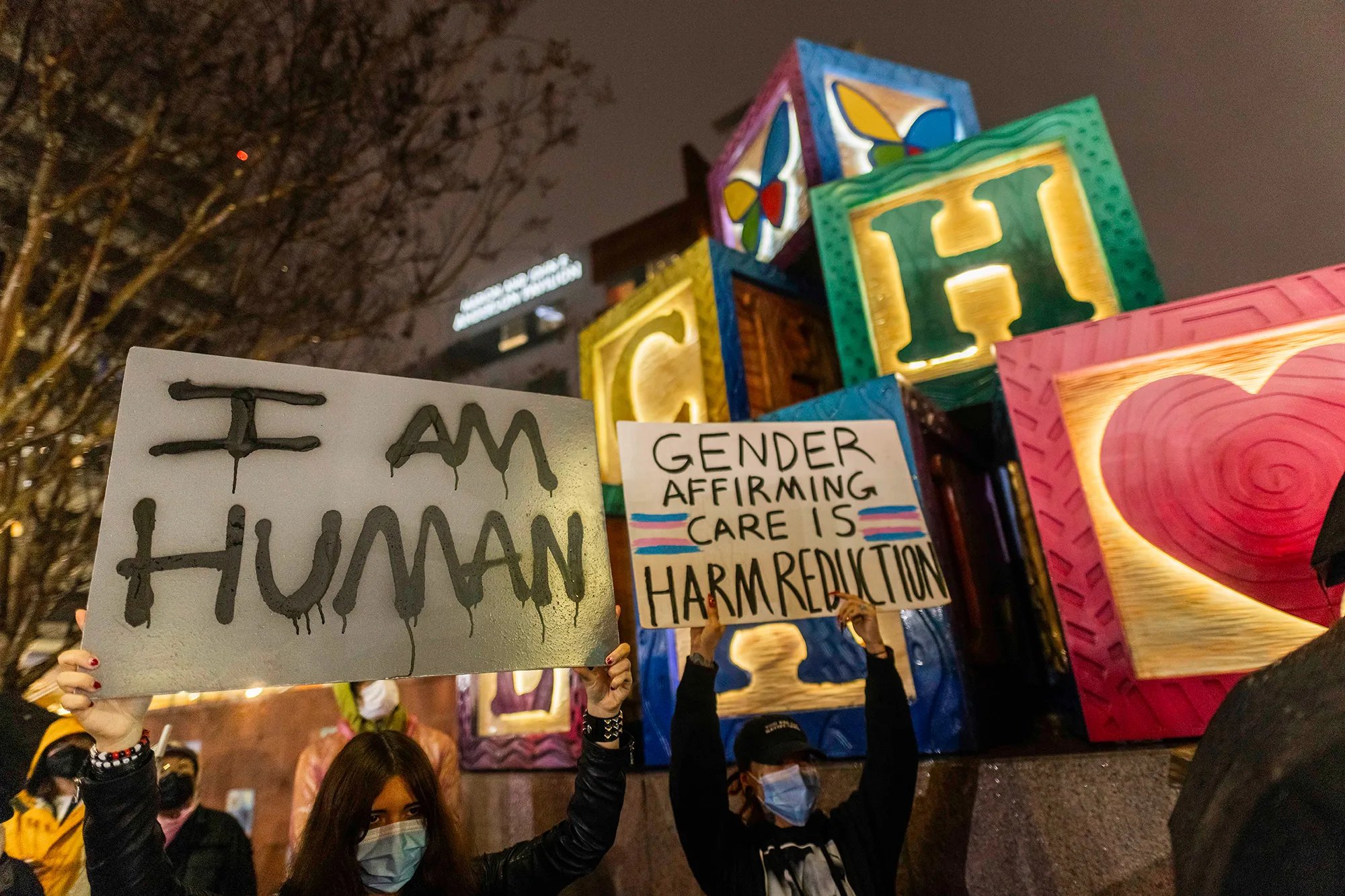
New York City Mayor Zohran Mamdani said the Supreme Court decision “risks disenfranchising millions.” NAACP President Derrick Johnson stated the ruling is "a devastating blow to what remains of the Voting Rights Act." Justice Elena Kagan said the ruling was "far-reaching and grave." The White House celebrated the Supreme Court decision as a "complete and total victory for American voters."
Broader Implications
The Supreme Court's decision could have far-reaching effects, potentially reducing the number of seats held by Black Democrats in the South. The NAACP called the court’s ruling a "license for corrupt politicians who want to rig the system by silencing entire communities." The ruling reverses lower court decisions that said Louisiana's map, drawn after the 2020 census, violated the Voting Rights Act because only one of six districts was majority Black, despite more than a third of the state’s voting age population being Black.
New Standard for Discrimination
Justice Alito wrote that plaintiffs must prove race drove a district's lines and that intentional discrimination occurred. The court also stated that historic racial inequities in elections have substantially abated nationwide. Civil rights groups warn the case could have a catastrophic impact on minority voters’ influence across the South and result in reduced minority representation in Congress going forward.
With the May 16 primary suspended, Louisiana lawmakers must now redraw congressional maps while navigating legal challenges and the potential for reduced minority representation.