Two school districts had policies requiring students to use gender-neutral facilities or facilities aligned with their sex assigned at birth. The decision requires the districts to revise their rules, directly enabling transgender students to select facilities aligned with their gender identity and reducing barriers in daily school life.
The two school districts involved enacted rules that limited transgender students' choices, a move critics argued isolated them from peers. This shift benefits students by promoting a sense of belonging, as one district reported over 50 transgender students affected by the old rules. Parents and educators must adapt to new guidelines, which could ease tensions around gender identity discussions in classrooms.
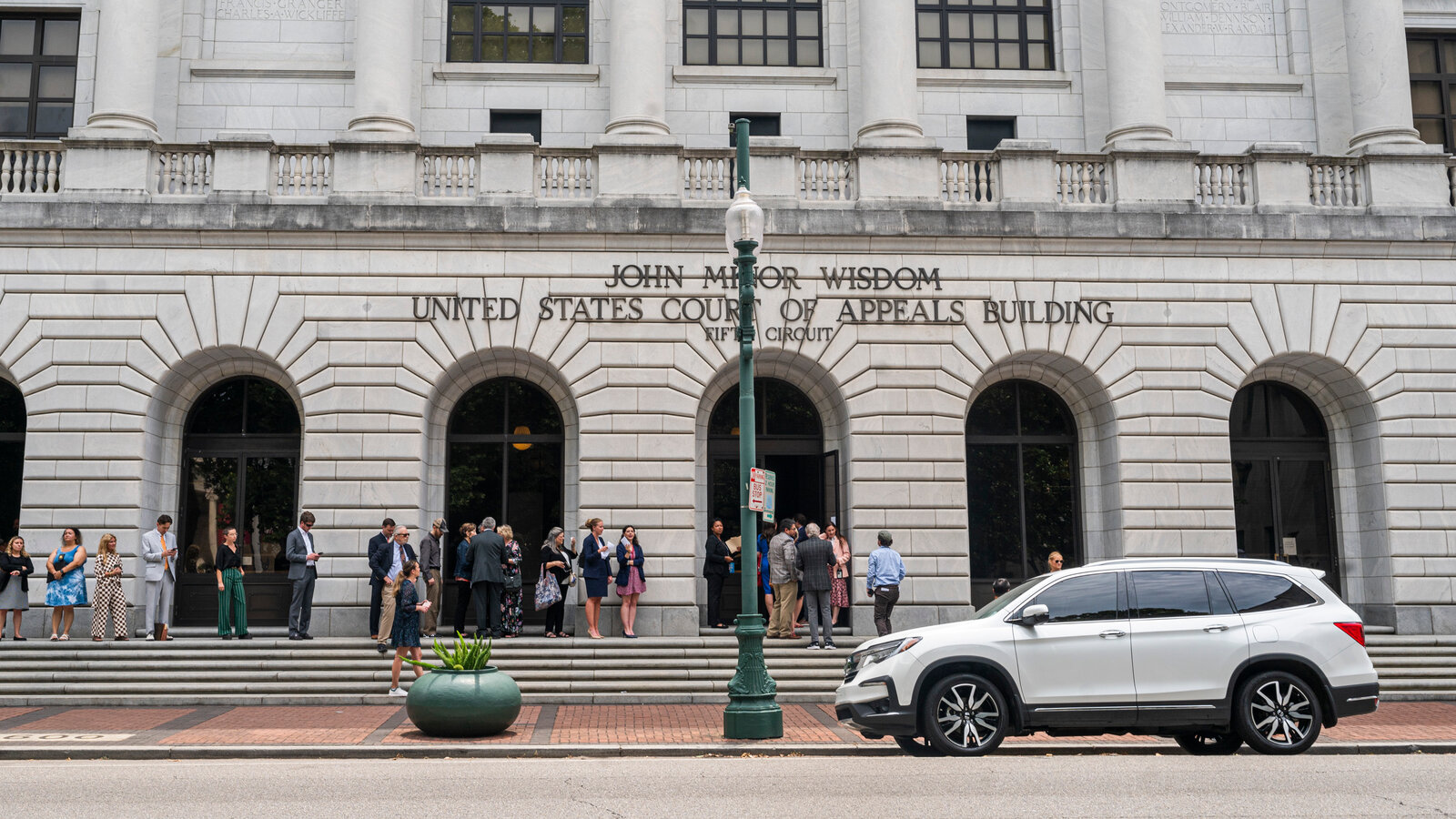
In a separate federal case, the Second Circuit upheld a district court's denial of pseudonymity for Jane Doe, a Yale Law School student suing over disability discrimination. Judges Dennis Jacobs, Richard C. Wesley, and Michael H. Park affirmed the decision, stating that Doe's request did not outweigh public interest in open proceedings. The court noted that revealing identities in lawsuits serves to maintain transparency, even when personal health details are at stake.
Doe, enrolled in Yale's Doctor of Juridical Science program, claimed that public disclosure would harm her academic prospects and exacerbate her conditions, but the judges found her arguments unpersuasive without stronger evidence. Yale's representatives, including Director of Student Accessibility Services Kimberly McKeown and Assistant Dean for Graduate Programs Gordon Silverstein, defended their actions in the case.
The Yale decision highlighted factors from Sealed Plaintiff v. Sealed Defendant, emphasizing that pseudonym requests must balance privacy against public scrutiny. In Doe's situation, the court sealed her medical information to limit exposure, yet still required her full name in the complaint. This approach contrasts with the New York ruling, where policy changes aim to protect identities without court involvement.
Students in both scenarios face risks to their education, as Doe's case involved allegations of denied extensions for her dissertation. The ruling underscores how privacy claims in education disputes often depend on specific evidence, influencing how similar cases unfold.
Schools across states may review their rules in light of New York's action, with potential ripple effects on transgender student policies. In the Yale matter, the court's stance could set expectations for handling sensitive information in lawsuits, affecting how students pursue grievances. These developments collectively push institutions to address student vulnerabilities more carefully.
For individuals, the New York changes offer immediate relief by affirming access rights, while the Yale outcome reminds students that legal battles require clear proof to shield personal details. Families might seek advice from school counselors on navigating these updates, ensuring their children benefit from stronger protections in everyday settings.
New York determined that two school districts imposed policies forcing transgender students to use gender-neutral facilities or those matching their sex assigned at birth. This finding came from a state review that declared the restrictions unlawful under existing regulations. The decision requires the districts to revise their rules, directly enabling transgender students to select facilities aligned with their gender identity and reducing barriers in daily school life.
Such changes affect thousands of students by ensuring equal access to bathrooms and locker rooms, a basic right that influences their safety and comfort in education. For families, this ruling means schools must prioritize inclusive environments, potentially lowering instances of discrimination and supporting better mental health outcomes for affected youth.
The two school districts involved enacted rules that limited transgender students' choices, a move critics argued isolated them from peers. State officials identified these policies as violations based on evidence from student complaints and legal standards. As a result, schools now face mandates to update facilities and train staff, directly altering how students experience school routines.
This shift benefits students by promoting a sense of belonging, as one district reported over 50 transgender students affected by the old rules. Parents and educators must adapt to new guidelines, which could ease tensions around gender identity discussions in classrooms.
In a separate federal case, the Second Circuit upheld a district court's denial of pseudonymity for Jane Doe, a Yale Law School student suing over disability discrimination. Judges Dennis Jacobs, Richard C. Wesley, and Michael H. Park affirmed the decision, stating that Doe's request did not outweigh public interest in open proceedings. The court noted that revealing identities in lawsuits serves to maintain transparency, even when personal health details are at stake.
Doe, enrolled in Yale's Doctor of Juridical Science program, claimed that public disclosure would harm her academic prospects and exacerbate her conditions, but the judges found her arguments unpersuasive without stronger evidence. Yale's representatives, including Director of Student Accessibility Services Kimberly McKeown and Assistant Dean for Graduate Programs Gordon Silverstein, defended their actions in the case.
The Yale decision highlighted factors from Sealed Plaintiff v. Sealed Defendant, emphasizing that pseudonym requests must balance privacy against public scrutiny. In Doe's situation, the court sealed her medical information to limit exposure, yet still required her full name in the complaint. This approach contrasts with the New York ruling, where policy changes aim to protect identities without court involvement.
Students in both scenarios face risks to their education, as Doe's case involved allegations of denied extensions for her dissertation. The ruling underscores how privacy claims in education disputes often depend on specific evidence, influencing how similar cases unfold.
Schools across states may review their rules in light of New York's action, with potential ripple effects on transgender student policies. In the Yale matter, the court's stance could set expectations for handling sensitive information in lawsuits, affecting how students pursue grievances. These developments collectively push institutions to address student vulnerabilities more carefully.
For individuals, the New York changes offer immediate relief by affirming access rights, while the Yale outcome reminds students that legal battles require clear proof to shield personal details. Families might seek advice from school counselors on navigating these updates, ensuring their children benefit from stronger protections in everyday settings.
Highlighted text was flagged by the council. Tap to see feedback.