




Senate Confirmation Vote
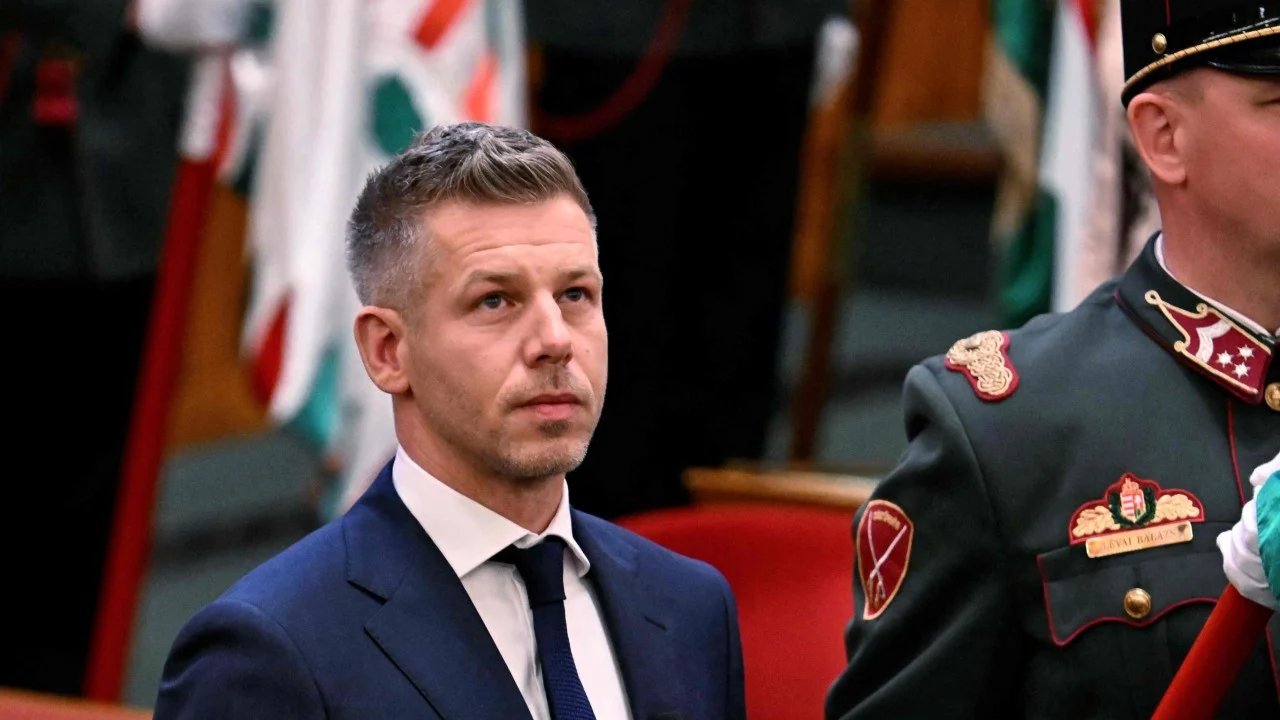
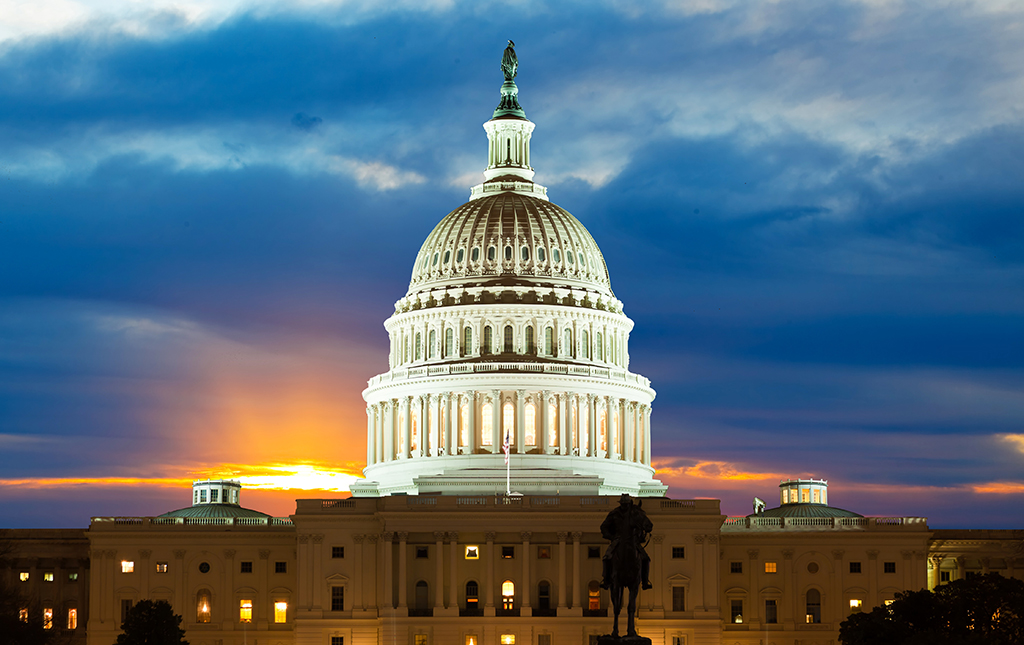
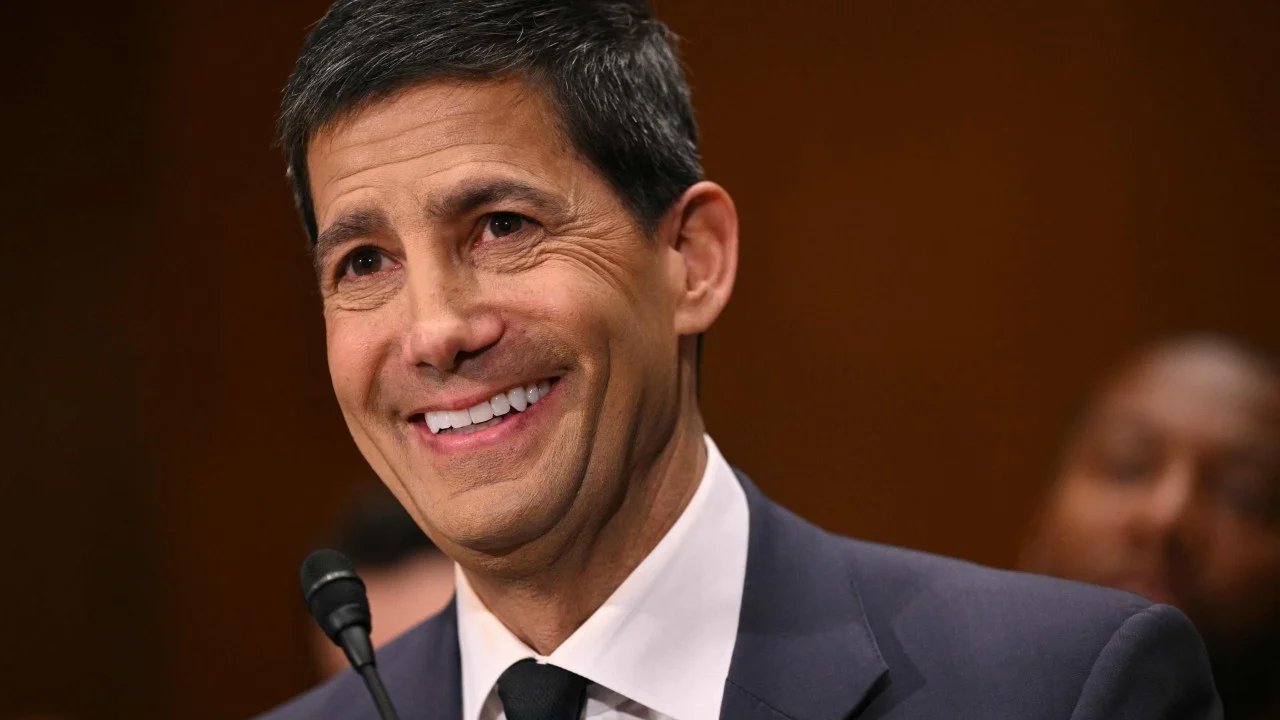
Kevin Warsh was confirmed by the Senate as the next chair of the Federal Reserve in a 54-45 vote. The vote was largely along party lines, with Pennsylvania Senator John Fetterman as the only Democrat to vote in favor. Warsh's confirmation sets the stage for him to succeed Jerome Powell, whose term ends on Friday.
Replacing Powell
Warsh is set to take over the Federal Reserve amid rising inflation and pressure from President Trump to lower interest rates. Powell will remain on the Fed's governing board after stepping down as chairman, an unusual move intended to safeguard the institution from political pressure. Powell has vowed to keep a low profile and not try to overshadow Warsh, but he will continue to have a vote on the 12-member committee that sets interest rates.
Political Battles
Warsh's confirmation was delayed due to a pressure campaign against the Fed. A criminal investigation into Powell was dropped last month. Senator Thom Tillis, Republican from North Carolina, initially blocked a committee vote on the nomination to protest that probe, but dropped his opposition after the investigation was set aside.
Inflation Concerns
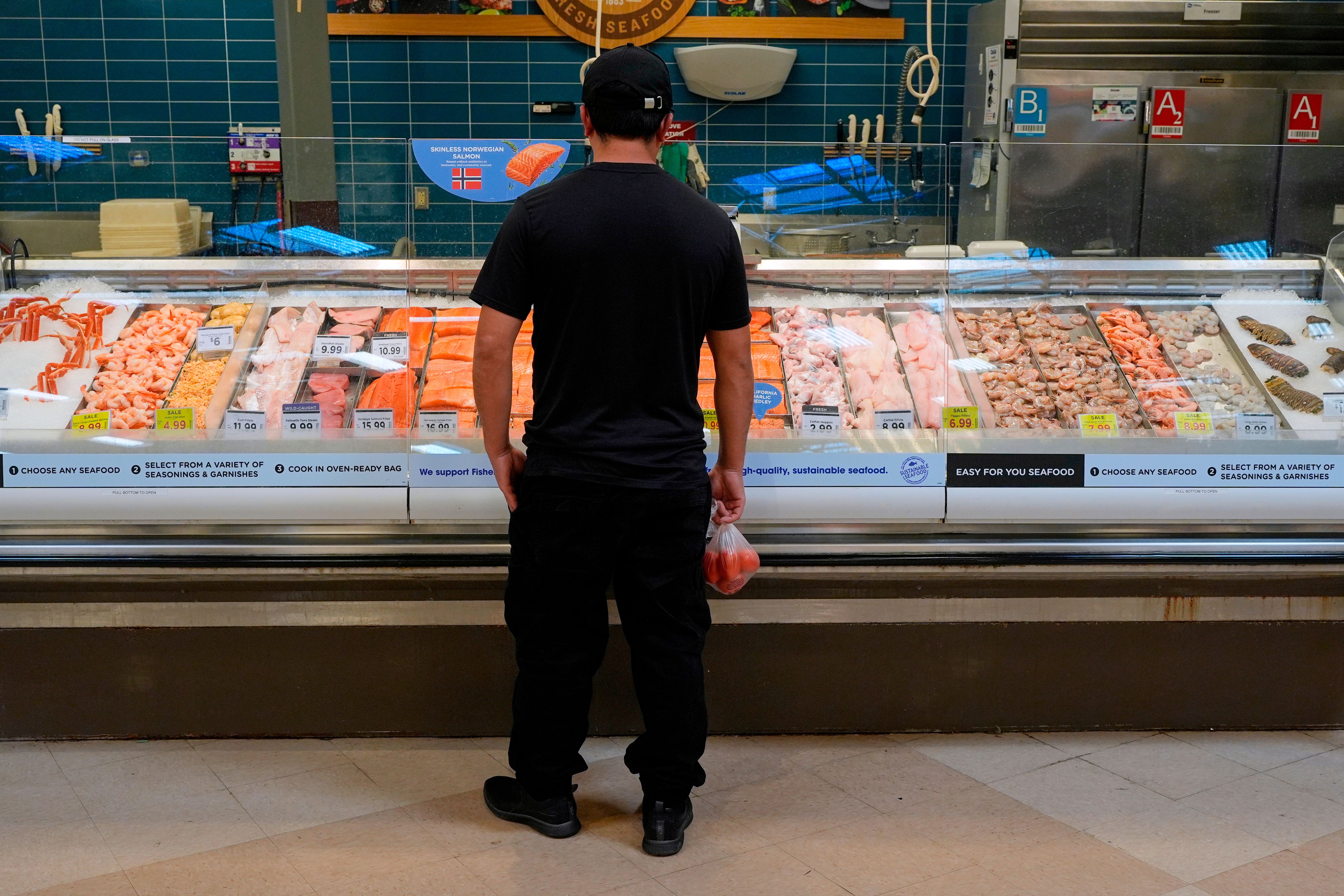
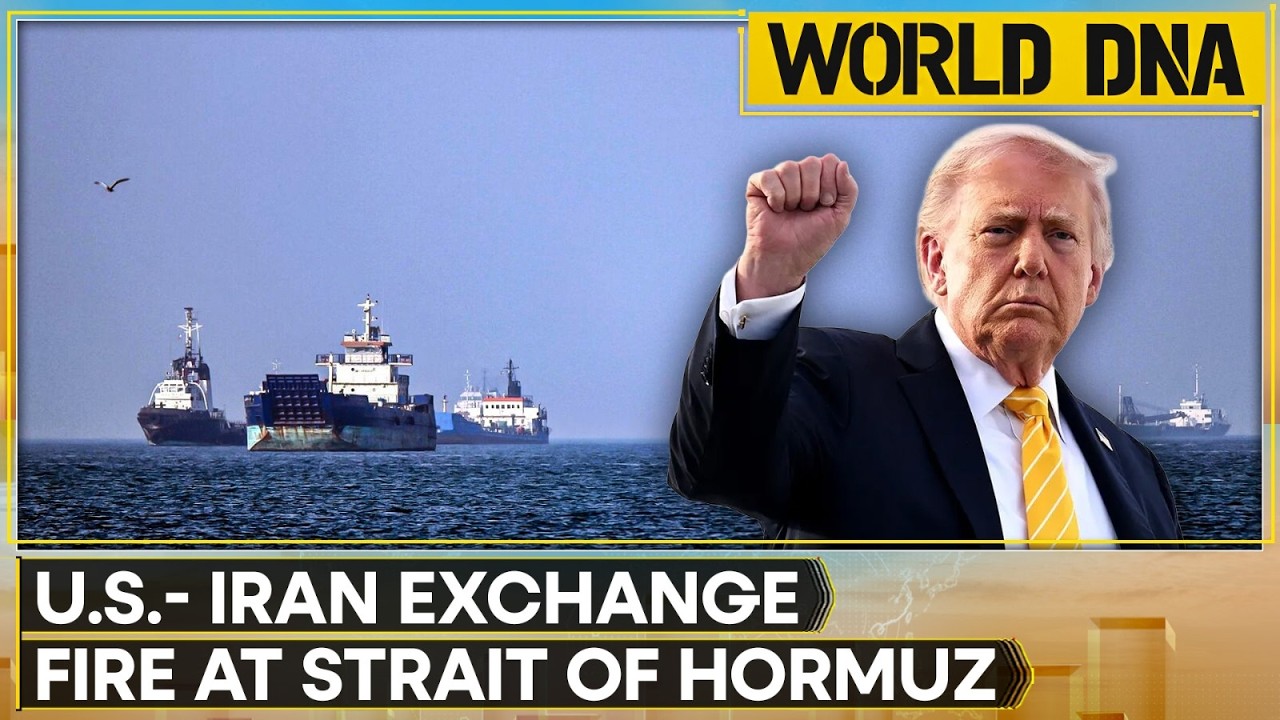
Warsh is taking the helm of the Fed at a time when inflation is a major concern. A Labor Department report showed the cost of living increased 3.8% in the last twelve months. Rising gasoline prices, exacerbated by the war with Iran, have put upward pressure on inflation. Some members of the rate-setting committee are wary of cutting rates, with three members hinting their next move could as easily be a rate increase as a cut.
Trump's Influence
President Trump has been critical of the Fed for not moving more aggressively to lower borrowing costs. Warsh has argued there's room to lower rates, but he also promised to use his own judgment in setting monetary policy. Senator Elizabeth Warren, Democrat from Massachusetts, accused Warsh of being a "sock puppet" for Trump.
Warsh's Views
Warsh previously served on the Fed's governing board from 2006 to 2011. He has called for improvements in the way the government measures inflation and proposed changes in the way Fed policymakers communicate with the public. Warsh has promised sweeping change at an institution that he argues has grown too unwieldy and inclined to intervene in the economy.
Challenges Ahead
Warsh will serve a four-year term as chair, taking over amid rising inflation and pressure from Trump to lower rates. He inherits buoyant financial markets and an AI-driven growth surge, as well as the legacy of five straight years of elevated inflation. High prices and affordability concerns have driven consumer sentiment indicators to recessionary levels, despite a low unemployment rate and solid GDP growth.
With Warsh's confirmation, the central bank faces a critical juncture as it navigates political pressures and economic uncertainties, with the cost of borrowing for homes and credit cards hanging in the balance.