




Route Reductions
Airlines are reducing routes and flights in response to rising jet fuel costs amid the ongoing war in Iran, impacting summer travel plans. Air Canada, Delta Air Lines, and KLM Royal Dutch Airlines have announced adjustments to their schedules. Delta is cutting four routes this summer from New York's John F. Kennedy International Airport, Detroit, and Boston through September. Delta Air Lines said the adjustments are part of a "normal planning process," considering operating costs and broader operational considerations.
Fuel Cost Impact
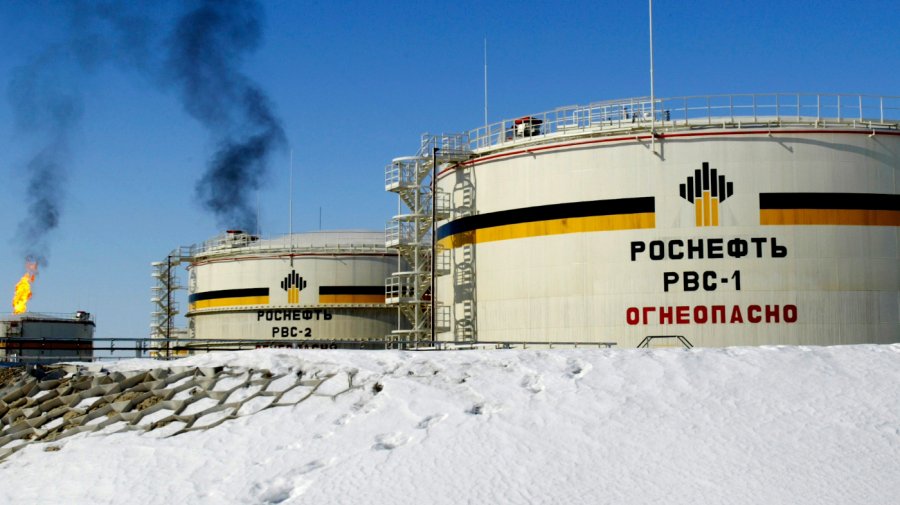
Jet fuel typically accounts for 25% to 30% of overall costs. Stephen Rooney, lead economist at Tourism Economics, said the spike in oil prices has a pronounced impact on jet fuel prices, which are a huge cost for airlines, especially on longer-haul flights. Air Canada is cutting routes from Toronto and Montreal to New York's JFK Airport from June 1 through Oct. 25, citing rising jet fuel costs.
Industry Concerns
The disruption to the aviation industry is a growing cause for concern. Airline industry analyst Henry Harteveldt told CBS News senior transportation correspondent Kris Van Cleave that he doesn't recall ever seeing anything like this on such a large scale, calling it alarming. Lufthansa, a German airline, will shut down a regional airline this week, grounding planes "in view of significantly increased kerosene prices." IEA Executive Director Fatih Birol said that European airports have about a six-week supply of jet fuel before it runs out.
Consumer Impact
Delta Air Lines will directly contact any impacted customers with alternate options. KLM Royal Dutch Airlines said it's adjusting its flight schedule this month due to rising costs as certain routes are "no longer financially viable to operate." U.S.-based airlines are slightly better positioned than European carriers because the U.S. produces most of its own jet fuel. Harteveldt told CBS News senior transportation correspondent Kris Van Cleave that there may be some routes where the airline says it's too risky to send a plane over to Europe if there's not enough jet fuel at the originating airport, and flights may have to make an intermediate stop to get more fuel along the way, meaning a longer trip home.
Economic Fallout
Airlines for America, an industry trade group, pointed to a Deutsche Bank report projecting U.S. airline fuel costs will rise about $24 billion compared with its pre-war forecast. Even with $14 billion in additional revenue from pricing actions, the industry would still see an $8 billion gap. Former US Treasury Secretary Hank Paulson says the conflict is likely to push inflation higher and keep interest rates elevated, straining industries from airlines to agriculture.

The summary mentions Airlines for America, an industry trade group, pointing to a Deutsche Bank report, but the sources do not reference this group or report.
Market Rebound
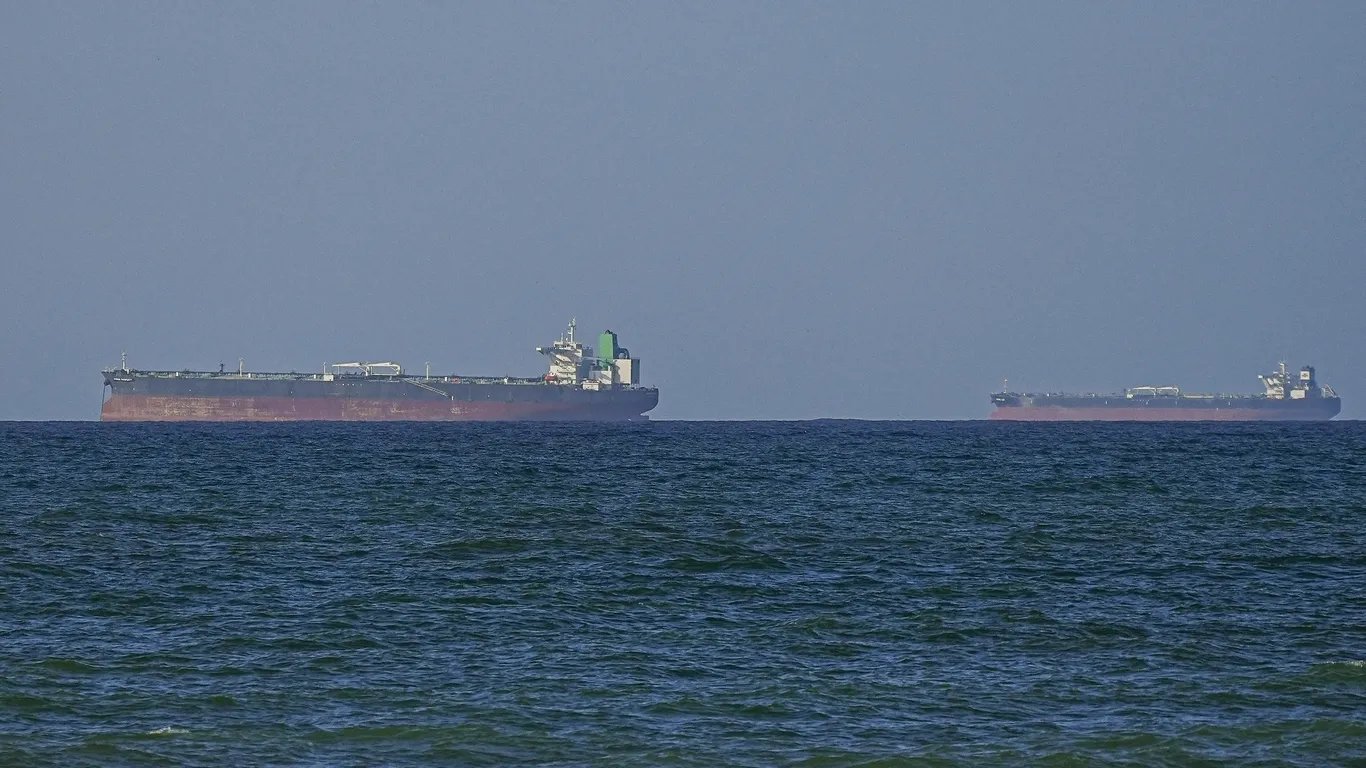
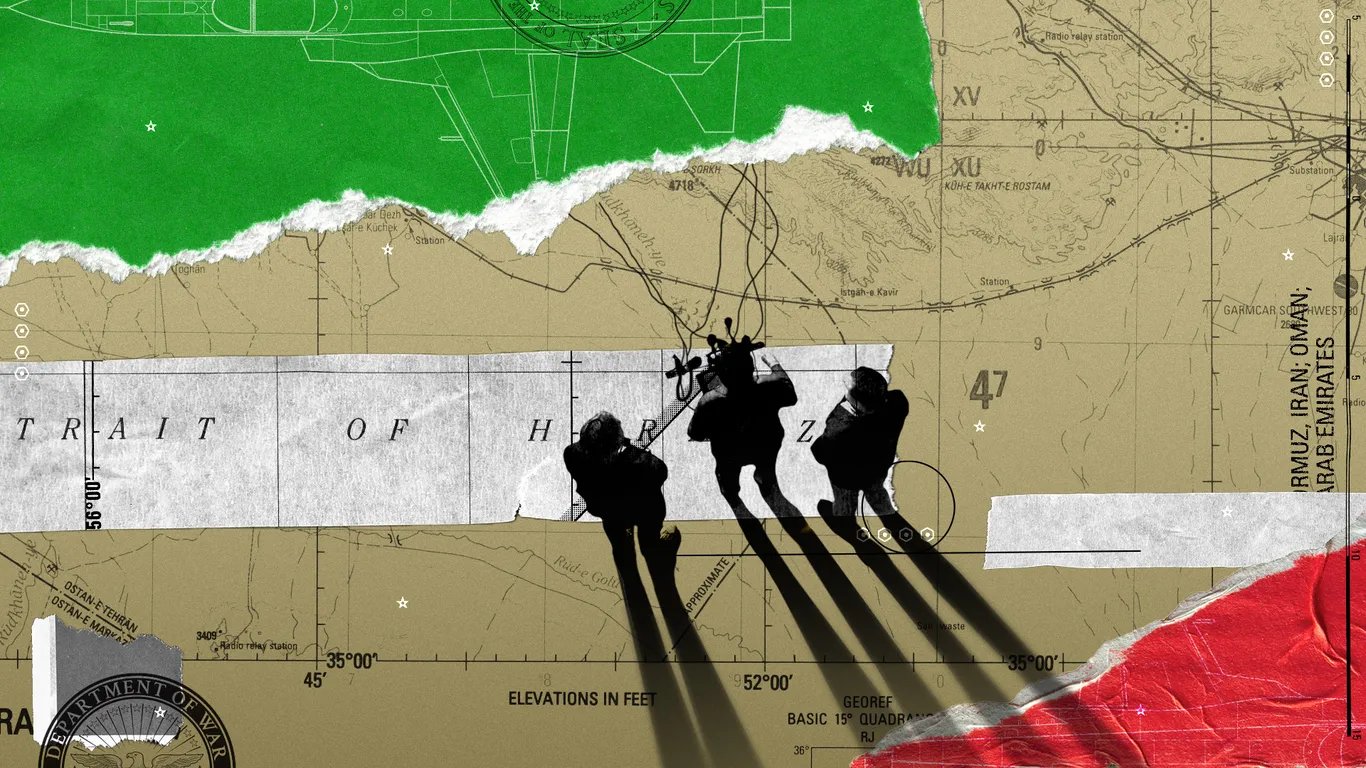
Iran said Friday that the Strait of Hormuz, which has been blocked to tanker traffic since the war began, had reopened amid a ceasefire between Israel and Lebanon. Analysts expect it to take weeks, if not months, for the fuel supply to stabilize and for oil prices to return to normal levels. Brandon Parsons, economist at Pepperdine Graziadio Business School, tells Axios that if fuel prices remain elevated, the industry could shift "from growth to survival mode."
With airlines facing increased financial strain, consumers should monitor their flight status and be prepared for potential disruptions to summer travel plans.













The article specifies that Fatih Birol, head of the International Energy Agency, stated European airports have about a six-week supply of jet fuel before it runs out.