Immigration Status Changes for Three Iranian Nationals
The U.S. State Department has revoked the green cards of three Iranian nationals, Seyed Eissa Hashemi, Maryam Tahmasebi, and their son, due to alleged ties to the Iranian regime. This action follows the arrests of Hashemi and his family, with officials linking him to a notorious figure from the 1979 Iran hostage crisis. Hashemi's mother, referred to as “Screaming Mary” by the State Department, was a spokesperson for the Iranian regime during that time, marking her as a significant propagandist for the violent Islamists involved.
Background on Seyed Eissa Hashemi
Hashemi entered the United States in 2014 on a visa and became a lawful permanent resident in 2016 through the diversity immigrant visa program, which has since been ended by the Trump administration. The State Department's statement emphasized its commitment to preventing the U.S. from becoming a haven for individuals connected to anti-American terrorist regimes. This revocation is part of a broader crackdown on individuals with ties to Iran, which the U.S. government has deemed a national security threat.
Broader Implications for Iranian Nationals
The recent actions against Hashemi and his family are not isolated incidents. Federal agents arrested Hamideh Soleimani Afshar, a niece of slain Iranian general Qasem Soleimani, earlier this month, accusing her of celebrating military actions against U.S. personnel. Alongside her, her daughter was also taken into custody. The State Department has similarly revoked the green card of Fatemeh Ardeshir-Larijani, the daughter of former Iranian national security council secretary Ali Larijani, highlighting a trend of increased scrutiny on Iranian nationals residing in the U.S.
Government Statements on Immigration Policy
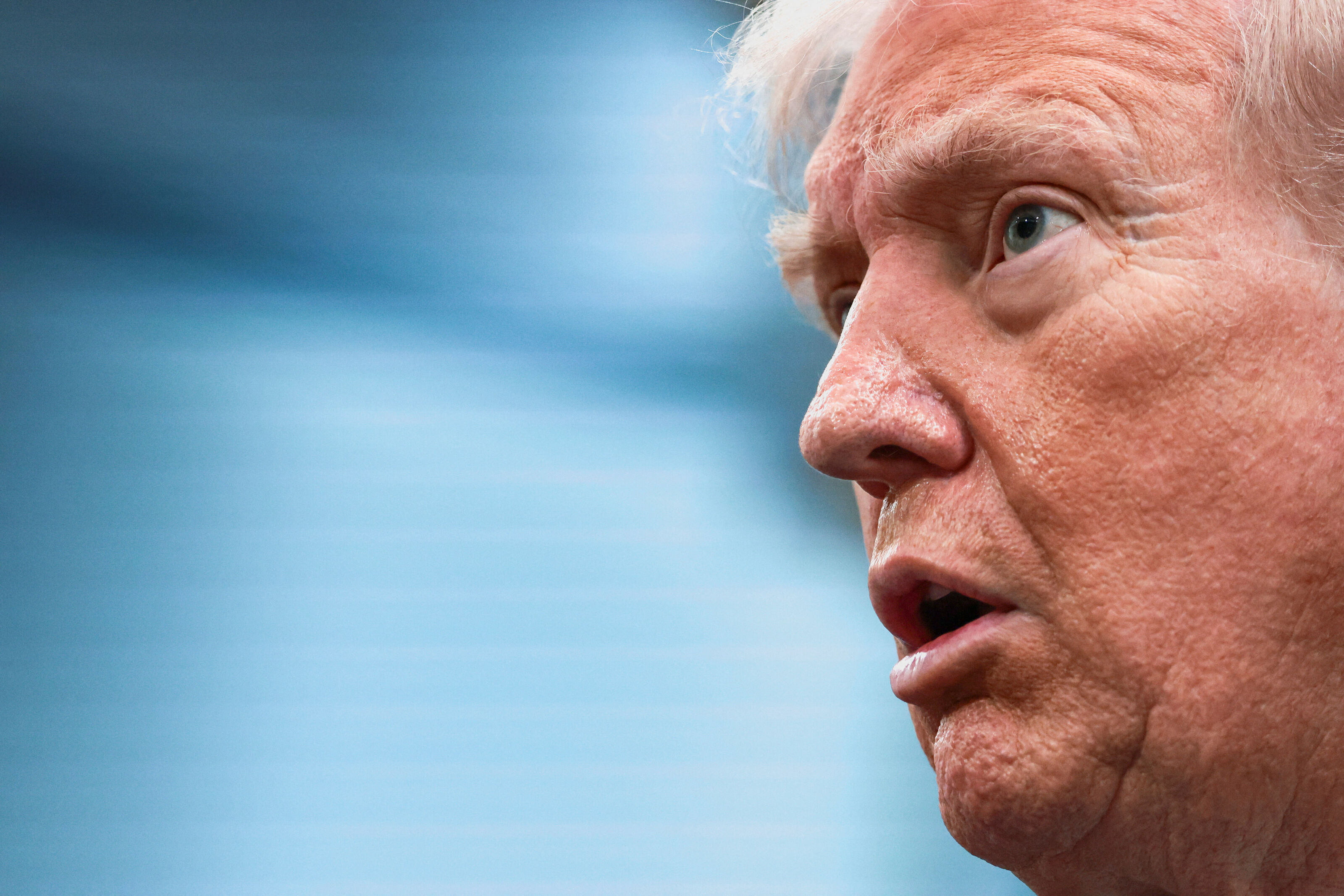
The State Department's statement outlined a clear stance: “The Trump administration will never allow America to become a home for foreign nationals tied to anti-American terrorist regimes.” This message reinforces the administration's broader immigration policy, which has focused on tightening the criteria for residency for individuals from countries the U.S. considers hostile.
Local Impact and Future Considerations
These revocations and arrests have immediate consequences for the families involved and signal a heightened tension in U.S.-Iran relations. As Iranian nationals in the U.S. face increasing scrutiny, advocates for immigrant rights are raising concerns about the potential for discrimination based on national origin. The situation is evolving, with diplomatic discussions ongoing between Washington and Tehran regarding broader regional stability, including recent ceasefire agreements in conflict areas.