Trump's Immunity Offer to Iran's IRGC Threatens U.S. Security Alliances
Revised after bias review
 Council News
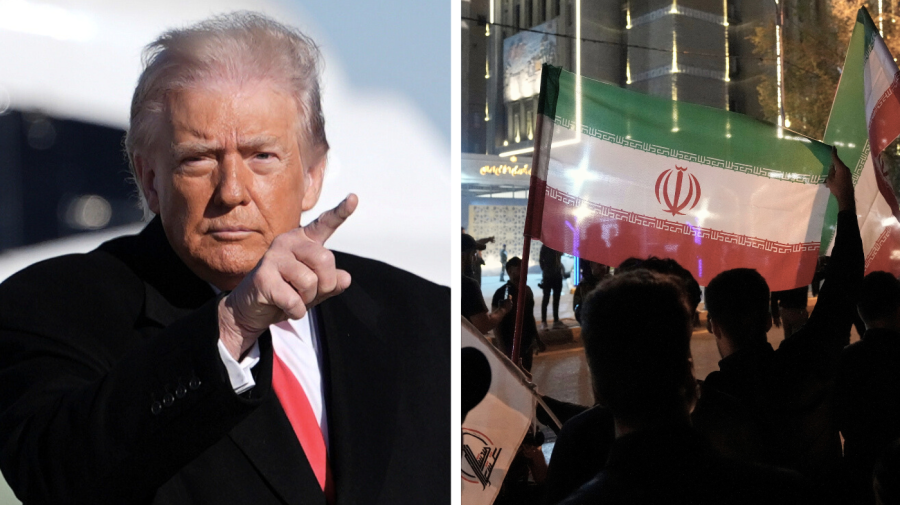





Trump's offer of immunity to Iranian forces signifies a shift in US foreign policy that could alter the dynamics of US-Iran relations and impact regional stability.
The US extended legal immunity to specific Iranian military units, a concrete policy shift that changes potential prosecution outcomes for designated personnel.
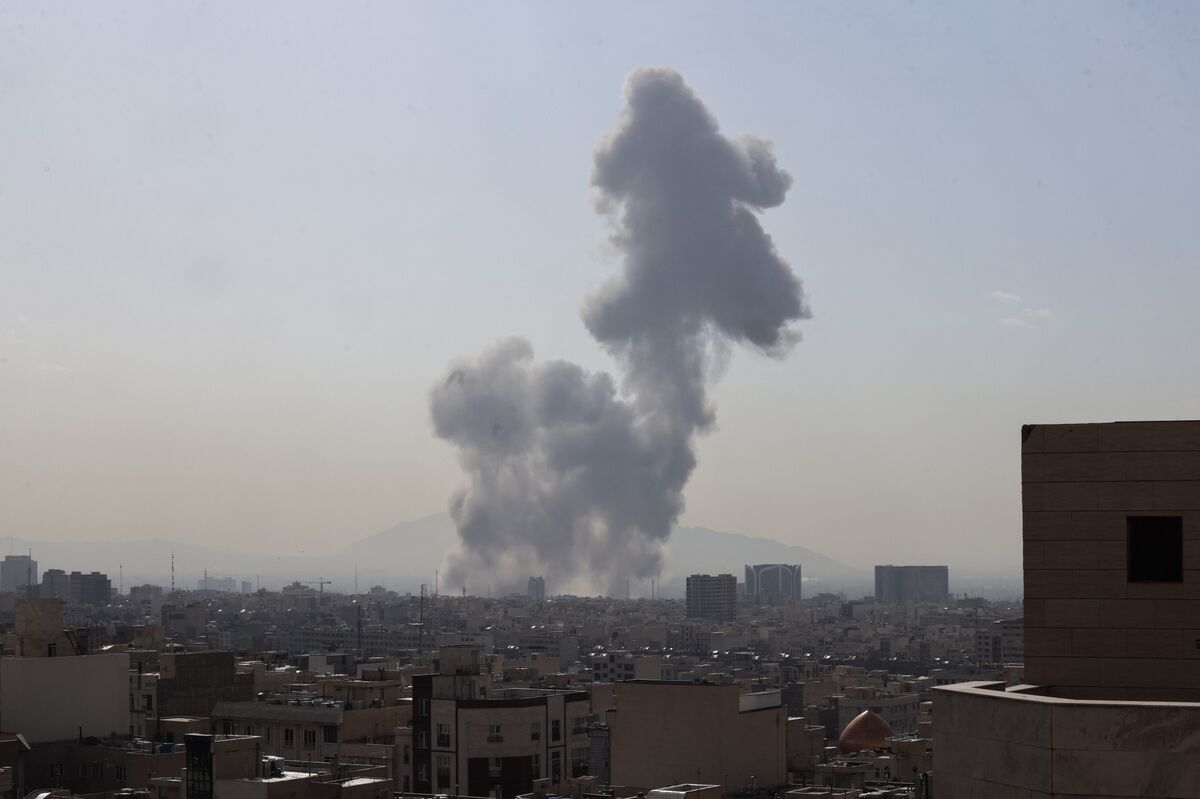
Trump's proposal to offer immunity to Iranian forces could affect U.S. foreign policy and Middle East stability. The move has prompted debate about its effects on regional stability and U.S. alliances. After Trump said the U.S. and Israel had attacked Iran earlier in the day, this policy shift comes as a potential diplomatic off-ramp, though critics contend it could bolster adversaries.
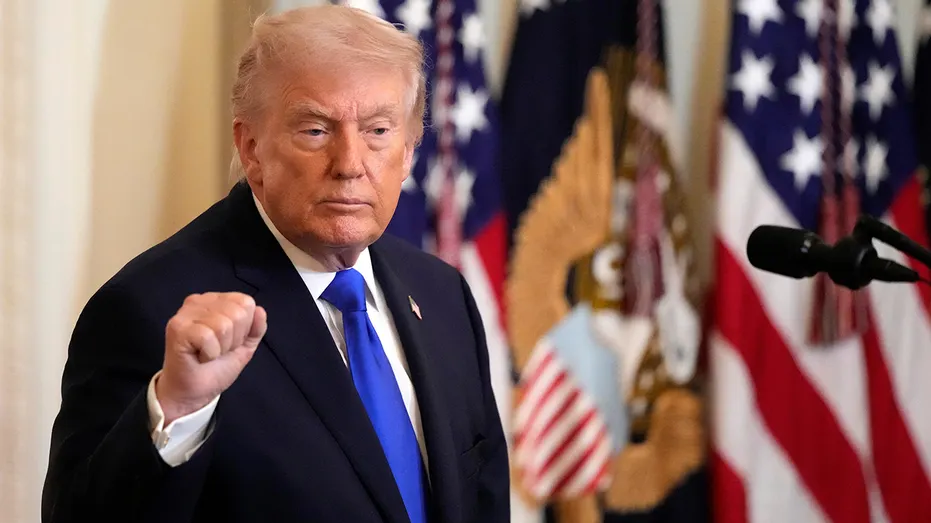
Trump announced on Saturday that he will offer immunity to members of Iran's Islamic Revolutionary Guard Corps, its military, and police forces. He framed the offer as a way to encourage these groups to stand down amid ongoing hostilities, suggesting many fighters are losing their will to fight. This proposal comes as a direct response to the earlier strikes by the U.S. and Israel, aiming to de-escalate but a move some analysts say could bolster adversaries instead.
The immunity would shield designated personnel from prosecution for their roles in actions, a departure from previous U.S. policies. Some analyses suggest this could embolden Iran.
Trump's call for IRGC members to lay down their arms or face "certain death" reveals a gap in understanding these groups' structure and loyalty. Analysts characterize the IRGC as Iran's elite paramilitary force, describing it as a core pillar of the regime, intertwined with the Basij volunteer militia that suppresses dissent at home. These units are deeply embedded in Iran's economy and politics, making Trump's offer more symbolic than practical.
Critics argue this could signal weakness, while supporters contend it offers a diplomatic off-ramp. The sources do not provide specific examples of Iranian officials rejecting similar pressures in the past.
The policy change hits closer to home through potential economic shocks, like higher energy costs if tensions flare. Oil traders fear prices could jump if tensions flare and disrupt supply from the Persian Gulf. That means your commute or heating bill could climb if Iran's forces interpret this as an opening to test U.S. resolve.
Beyond finances, the move affects national security by straining relationships with allies such as Israel and European partners, who see the IRGC as a terrorist organization. The White House has not yet detailed how this immunity offer aligns with existing Iran policy.
As diplomats scramble to assess the fallout, the White House may face pushback from Congress on formalizing this immunity. The administration will need to clarify how it aligns with broader strategies against Iran. For the millions of Americans relying on stable international relations, the outcome could determine whether this sparks a broader confrontation or a rare diplomatic breakthrough.
Cross-referenced to ensure accuracy