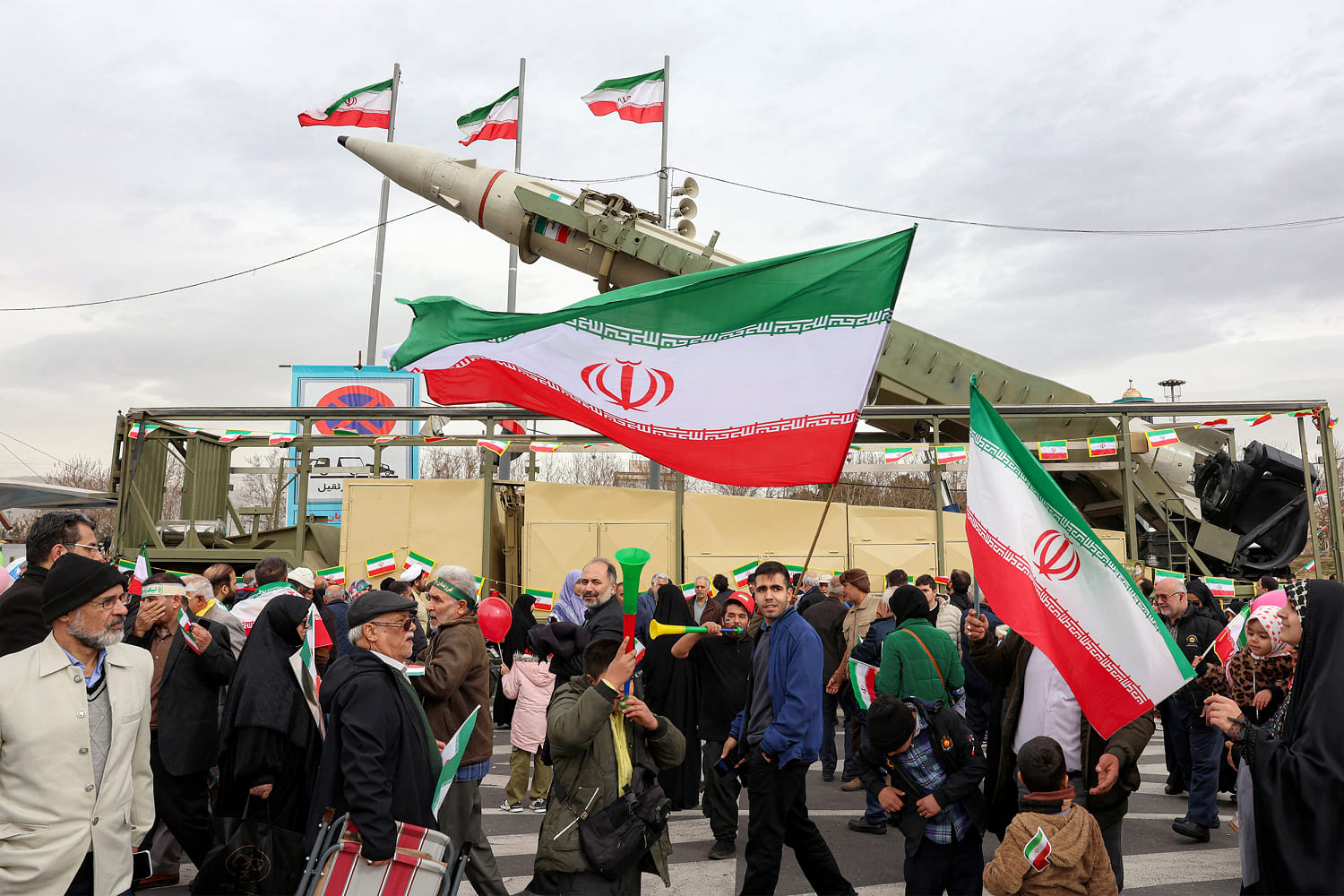
Iran is nearing a deal to acquire supersonic anti-ship missiles from China, according to Reuters. The move could escalate tensions in the Gulf and threaten U.S. naval assets.
The missiles could enhance Iran's ability to target shipping lanes crucial to global oil transport. If Iran proceeds with this acquisition, it could disrupt oil supplies. Regional tensions could increase military spending by nations in the area, including the U.S. and its allies.
According to Reuters' exclusive reporting, discussions between Iran and China have advanced, with both nations looking to strengthen military and economic ties. The deal may strengthen ties between Iran and China, potentially affecting regional dynamics. Some analysts suggest this development could prompt a U.S. response, as the U.S. has historically viewed Iran's military expansion as a threat to its interests and those of its allies.
The impending missile deal complicates ongoing diplomatic efforts aimed at curbing Iran's nuclear ambitions. Some U.S. officials have expressed concern that the acquisition could make Iran less willing to compromise in negotiations. Meanwhile, Iran's Deputy Foreign Minister Majid Takht-Ravanchi stated that Iran is ready to reach an agreement on its nuclear program as soon as possible. As U.S. and Iranian diplomats engage in talks, this missile deal could potentially undermine progress in diplomatic channels.
This potential acquisition comes at a time when regional tensions are already heightened. Iran has stated it is prepared to respond to any perceived threats. With tensions in the region, there is potential for miscalculation, though diplomatic channels remain open.
As the situation develops, international observers are likely to closely monitor Iran and China's negotiations. This development has implications for regional stability and potentially for global energy markets. The coming weeks will show whether diplomatic efforts can proceed alongside military developments in the region.
If you drive a car or heat your home, brace for possible rising gas prices. Iran is on the verge of finalizing a deal to acquire advanced supersonic anti-ship missiles from China, a move that could escalate tensions in the Gulf and threaten U.S. naval assets. This potential arms deal sends a clear signal to the world: Iran is bolstering its military capabilities at a time when diplomatic negotiations over its nuclear program are already fraught with tension.
The missiles, known for their speed and precision, could significantly enhance Iran's ability to target shipping lanes crucial to global oil transport. If Iran proceeds with this acquisition, it could disrupt oil supplies and lead to increased military spending by nations in the region, including the U.S. and its allies. This scenario raises the specter of conflict, and if tensions boil over, consumers could face sharp spikes in gas prices almost overnight.
Discussions between Iran and China have advanced rapidly in recent weeks, with both nations looking to strengthen their military and economic ties. The deal represents a new chapter in their relationship, one that could shift the balance of power in the Middle East. Analysts warn that this development could provoke a strong response from the U.S., which has long viewed Iran's military expansion as a direct threat to its interests and those of its allies.
The impending missile deal complicates ongoing diplomatic efforts aimed at curbing Iran's nuclear ambitions. U.S. officials have expressed concern that the acquisition of such missiles could embolden Iran, making it less likely to compromise in negotiations. As U.S. and Iranian diplomats engage in talks, the specter of this missile deal looms large, potentially undermining any progress made in diplomatic channels.
This potential acquisition comes at a time when regional tensions are already heightened. The U.S. has increased its military presence in the Gulf, and Iran has vowed to respond robustly to any perceived threats. With both nations on edge, the risk of miscalculation grows, leading to a situation that could spiral into conflict.
As the situation develops, the eyes of the international community will remain fixed on Iran and China's negotiations. For consumers, this deal could lead to higher gasoline prices, affecting budgets and daily commutes. The next few weeks will be crucial in determining whether diplomatic efforts can avert a new arms race in the region or if the world will witness a significant escalation in tensions.
The stakes are high, and the implications of this deal extend far beyond military strategy, touching the lives of everyday citizens through rising costs and potential conflict.
Highlighted text was flagged by the council. Tap to see feedback.