If you're an American taxpayer funding troops in the Middle East, the outcome of today's U.S.-Iran nuclear talks could determine whether those deployments turn into another war. Harvard economics professor Larry Summers is leaving his teaching role after his name appeared repeatedly in Epstein-related documents.
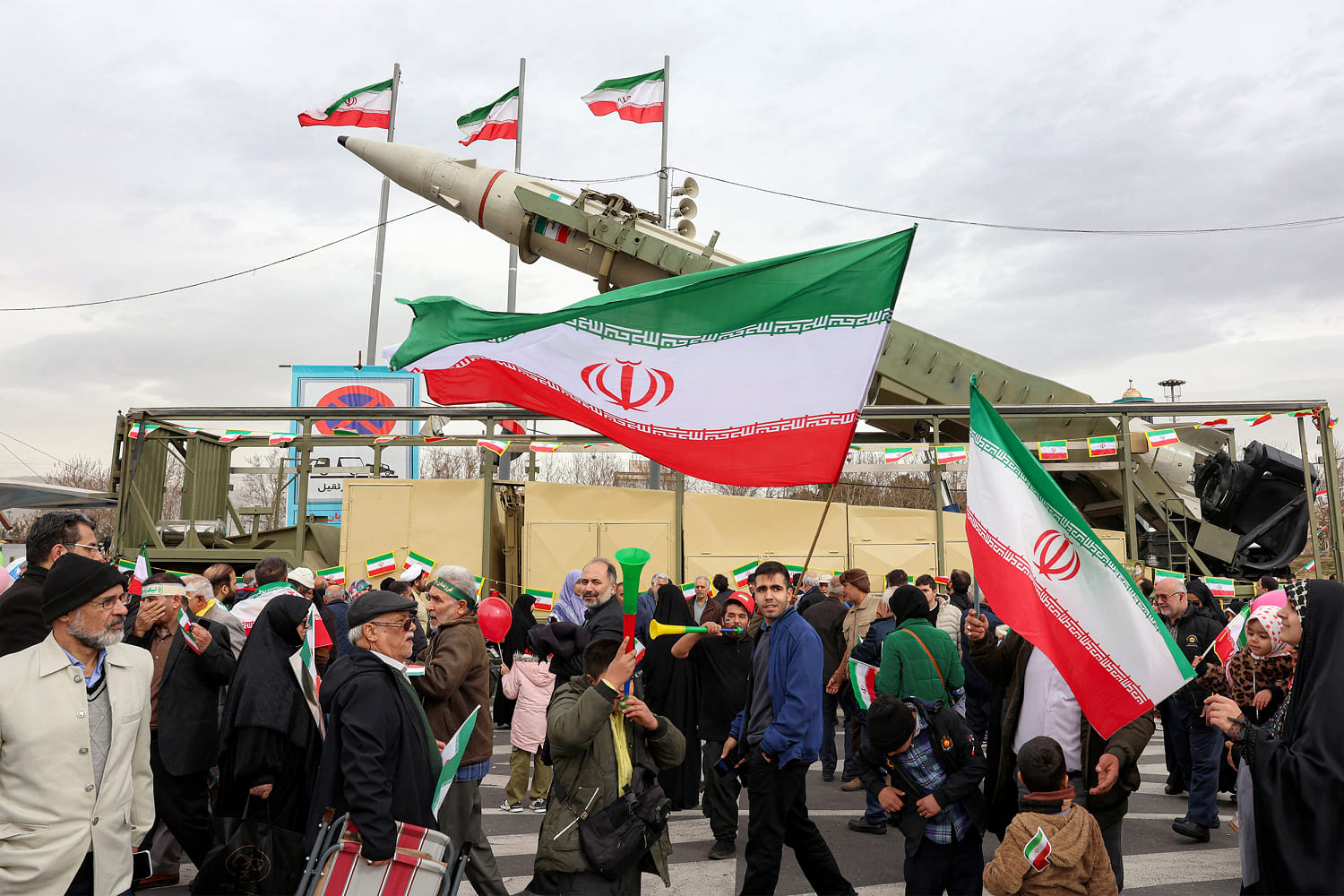
U.S. and Iranian negotiators met in Geneva on Thursday, making significant progress on Tehran's nuclear program despite deep divisions. President Donald Trump's envoys, Steve Witkoff and Jared Kushner, engaged in direct and indirect discussions, with Oman's Foreign Minister Badr al-Busaidi acting as mediator. An Iranian official told Al Jazeera that Iran proposed reducing its uranium stockpile to low enrichment levels under International Atomic Energy Agency supervision. Iran rejected U.S. demands to permanently abandon enrichment and dismantle nuclear facilities.
The talks shifted from disappointment in the morning session to cautious optimism by afternoon, as both sides exchanged ideas that al-Busaidi called "creative and positive." A senior U.S. official said the talks were positive, though sources familiar with the negotiations said envoys Witkoff and Kushner were disappointed with Iranian positions. Iran refused to permanently abandon enrichment or export its 10,000 kilograms of enriched uranium.
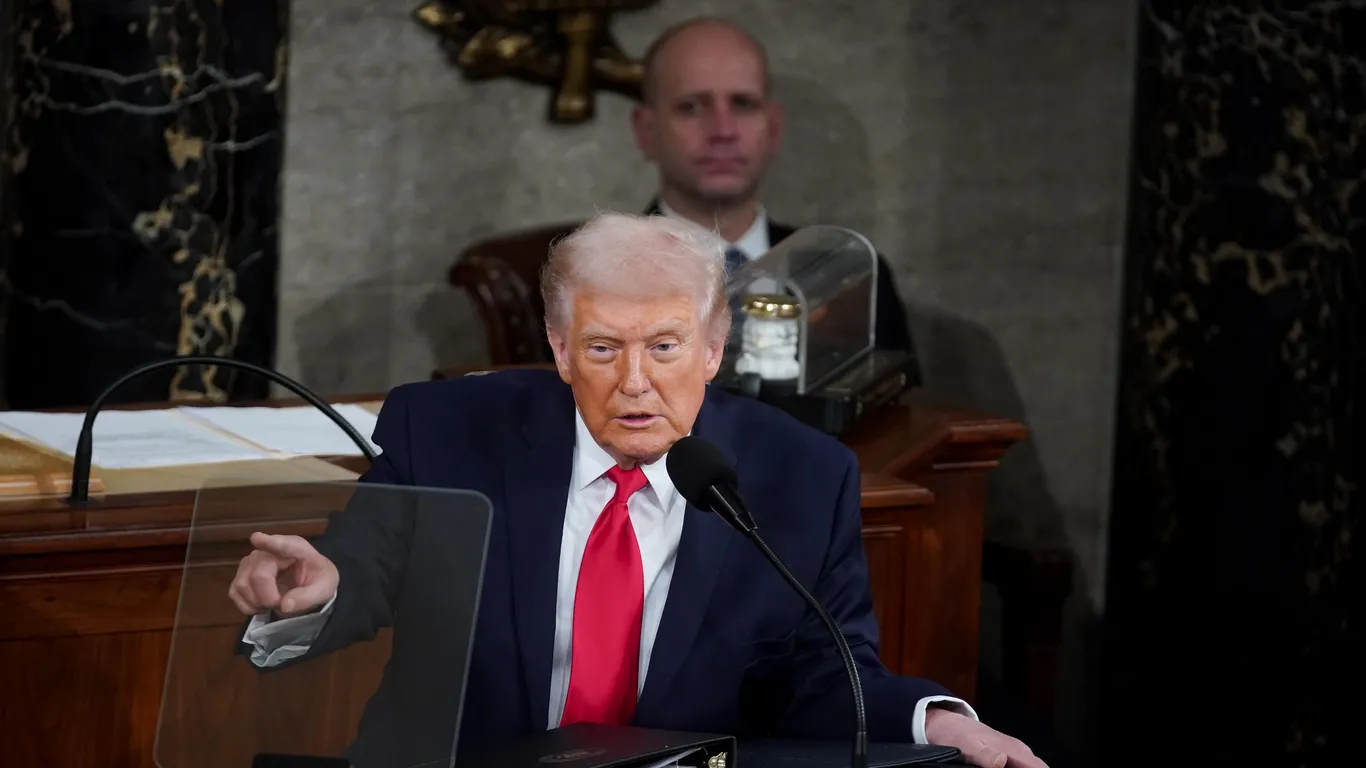
President Trump has threatened military action if talks fail. Trump imposed fresh sanctions on Iranian entities before these talks and has built up U.S. military forces in the region.
Larry Summers, the former Harvard professor and Treasury Secretary, is leaving his teaching role after his name appeared repeatedly in Epstein-related documents. World Economic Forum CEO Børge Brende resigned after the forum launched an independent investigation into his relationship with Epstein.
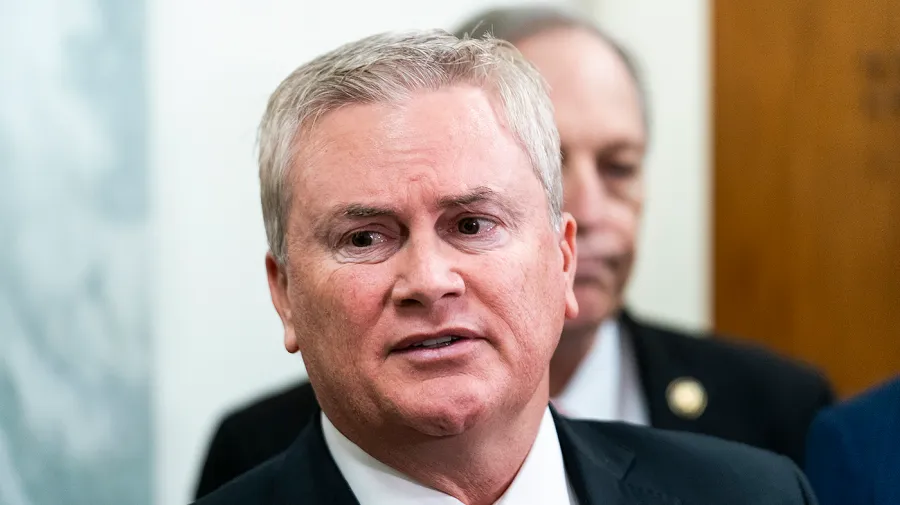
The scrutiny extends to figures like Commerce Secretary Howard Lutnick, as House Oversight Committee Chair James Comer mentioned the possibility of Lutnick testifying. These resignations raise questions about how elite networks may influence policy-making institutions.
Following Thursday's sessions, the next round of talks will involve nuclear experts meeting in Vienna next week, building on the Geneva momentum. Iranian officials described the discussions as "very intense and serious," while U.S. demands for an indefinite deal remain firm. A successful agreement could reduce the likelihood of further military deployments in the region.
Trump has threatened military action if negotiations fail. He imposed fresh sanctions on Iranian entities before these talks and has built up U.S. military forces in the region. This sets the stage for Vienna, where negotiators will attempt to bridge the remaining gaps.
If you're an American taxpayer funding troops in the Middle East, the outcome of today's U.S.-Iran nuclear talks could determine whether those deployments turn into another costly war. Harvard economics professor Larry Summers resigned amid revelations of his ties to convicted sex offender Jeffrey Epstein, highlighting how elite connections erode public trust in institutions that shape global policy.
U.S. and Iranian negotiators met in Geneva on Thursday, making significant progress on Tehran's nuclear program despite deep divisions. President Donald Trump's envoys, Steve Witkoff and Jared Kushner, engaged in direct and indirect discussions, with Oman’s Foreign Minister Badr al-Busaidi acting as mediator. The Iranians presented a draft proposal that included reducing their uranium stockpile to low enrichment levels under International Atomic Energy Agency supervision, addressing U.S. demands for limits on enrichment while preserving some Iranian capabilities.
The talks shifted from disappointment in the morning session to cautious optimism by afternoon, as both sides exchanged ideas that al-Busaidi called "creative and positive." Yet, underlying tensions persisted, with U.S. officials expressing frustration over Iran's refusal to permanently abandon enrichment or export its 10,000 kilograms of enriched uranium. This progress matters because failure could trigger U.S. military strikes, putting thousands of American service members at risk and driving up oil prices that hit your household budget.
Larry Summers, the former Harvard professor and Treasury Secretary, stepped down from his teaching role after his name appeared repeatedly in Epstein-related documents. This resignation follows a pattern of fallout, with World Economic Forum CEO Borge Brende also quitting his post over documented interactions with Epstein, including business dinners and emails. These developments reveal how Epstein's network infiltrated academia and international organizations, potentially influencing decisions on global issues like nuclear policy.
The Epstein ties extend beyond Summers and Brende, drawing scrutiny to figures like Commerce Secretary Howard Lutnick, whom House Oversight Committee Chair James Comer suggested might testify. For everyday Americans, this scandal underscores the risk that unchecked elite associations could compromise the integrity of experts advising on foreign affairs. If powerful individuals like Summers evade full accountability, it erodes confidence in the very institutions that negotiate deals affecting national security.
Following Thursday's sessions, the next round of talks will involve nuclear experts meeting in Vienna next week, building on the Geneva momentum. Iranian officials described the discussions as "very intense and serious," while U.S. demands for an indefinite deal remain firm. For the 240,000 U.S. troops stationed abroad, a successful agreement could mean fewer deployments and lower defense spending, directly impacting federal budgets and your taxes.
The human cost is stark: without a deal, Trump's threats of military action could escalate, as he imposed fresh sanctions on Iranian entities just before these talks. This sets the stage for Vienna, where concrete proposals might finally avert conflict and stabilize the region.
Highlighted text was flagged by the council. Tap to see feedback.