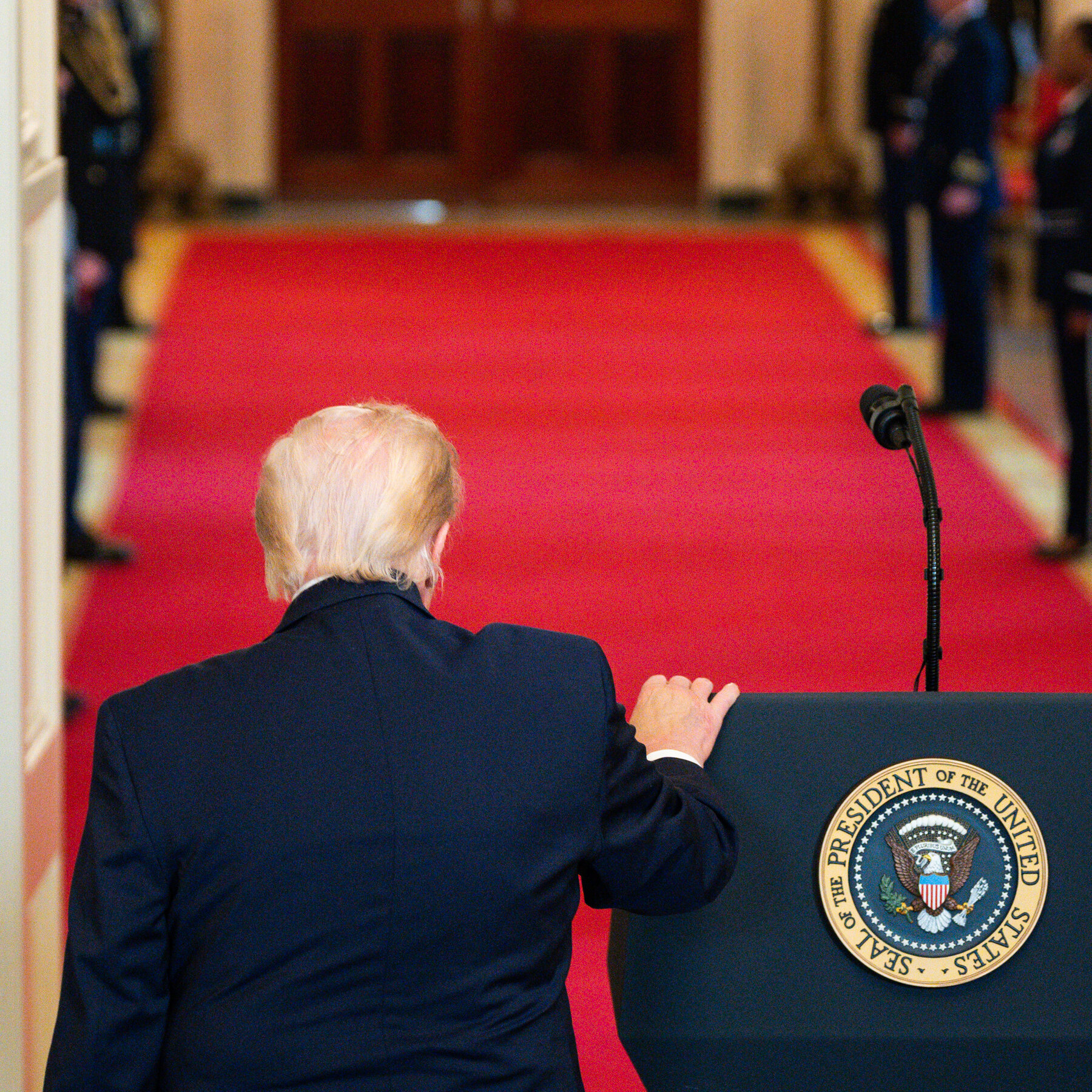
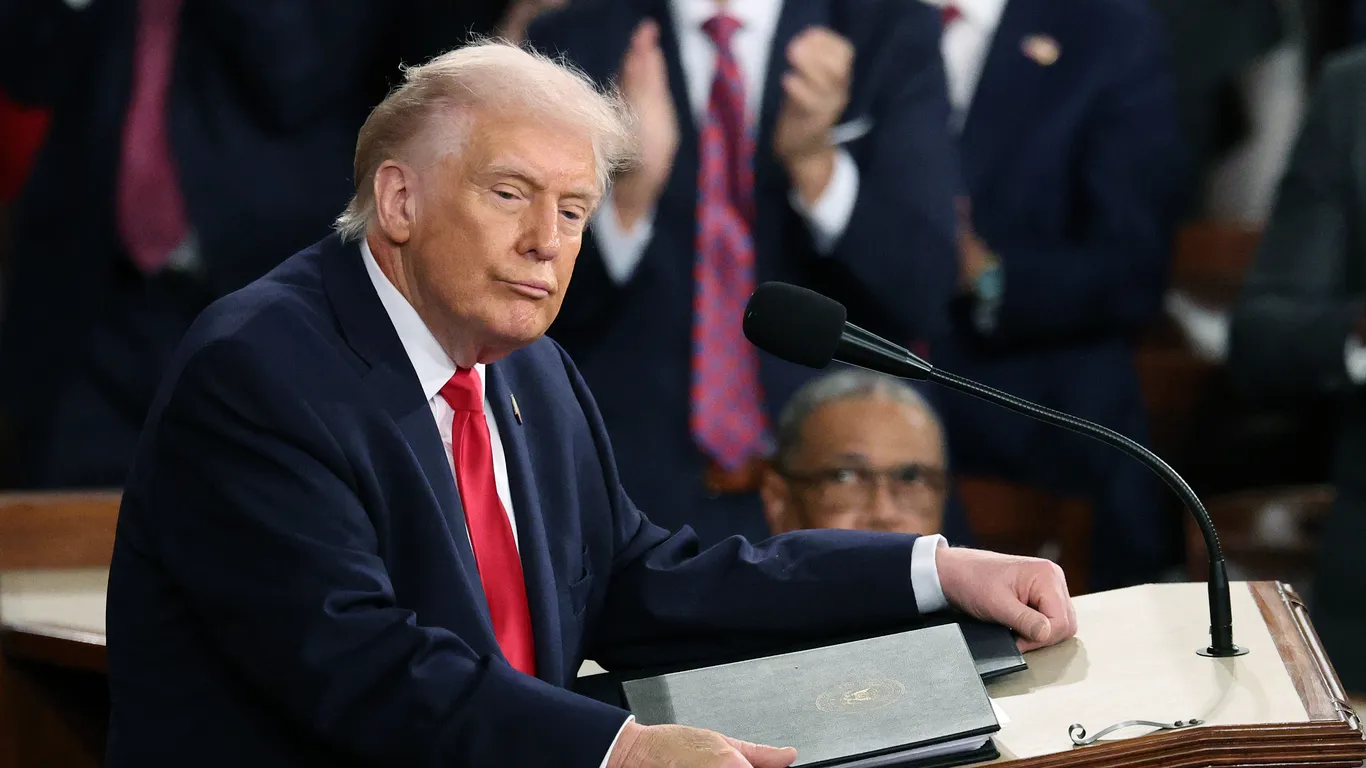
A Scripps News/Talker Research poll released Monday found that 47 percent of Americans want to hear Trump discuss the economy. As President Donald Trump prepares to deliver his State of the Union address, millions of Americans are focused on how his words will affect their finances and daily lives. With inflation concerns and rising living costs, the stakes are high for a speech that will outline the administration's priorities for the coming year.
Trump's speech is expected to defend his tariffs as beneficial to U.S. factories and to argue that his policies are already easing cost-of-living pressures. The president faces a careful line to walk on major issues including tariffs and cost of living, according to reporting on his administration's strategy. How Trump frames his economic plans could influence swing-state voters in November's midterm elections. If he details plans to address financial burdens, it might strengthen his support among voters who are not fully supportive.
Another critical area of focus will be immigration, a cornerstone of Trump's presidency. He is expected to emphasize immigration enforcement and border security. Immigration remains a contested issue, with supporters and critics of enforcement-focused approaches holding different views on the most effective policy.
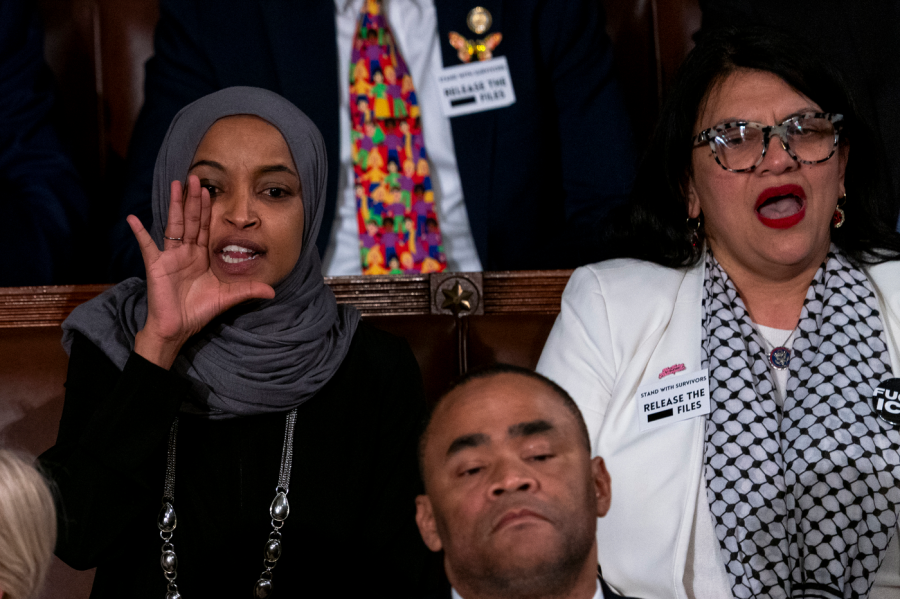
Democratic leaders are urging members to respond to Trump's address, though the approach remains sensitive. The Hill reports they are "scrambling to prevent repeat of last year's rowdy State of the Union," where many lawmakers held demonstrations from the House floor. Virginia Governor Abigail Spanberger will deliver the Democratic response to Trump's State of the Union address.
In Trump's second term, his address is expected to outline his administration's priorities and legislative agenda for the year ahead. Trump is expected to discuss tariffs and international trade, issues that directly impact American consumers. If Trump can sell his tariff-and-tax-cut package tonight, wavering Republicans say they will fast-track the bill next month.
As President Donald Trump prepares to deliver his State of the Union address, millions of Americans are keenly focused on how his words will impact their finances and daily lives. Nearly half of respondents in a recent poll indicated they want to hear about the economy, signaling that Trump's policies could directly affect household budgets across the nation. With inflation concerns and rising living costs, the stakes are high for a speech that will outline the administration's priorities for the coming year.
Trump's speech is expected to tackle pressing economic issues, including tariffs and cost of living. The president faces the challenge of balancing his administration's accomplishments with the realities of discontent among voters worried about rising prices. Experts suggest that how Trump addresses these economic concerns could sway public opinion ahead of crucial midterm elections. If he can convincingly detail plans to alleviate financial burdens, it might bolster his support among skeptical voters.
Another critical area of focus will be immigration, a topic that has been a cornerstone of Trump's presidency. He is likely to emphasize enforcement measures and border security, particularly as the Department of Homeland Security grapples with ongoing challenges. With immigration reform a contentious issue, Trump's approach tonight could either rally his base or alienate moderate voters who seek comprehensive solutions rather than strict enforcement.
Democrats are preparing for a highly charged atmosphere in the House chamber, where protests and demonstrations from last year's address still linger in memory. Party leaders are strategizing on how to respond effectively to Trump’s claims, especially regarding economic and social issues. Virginia Governor Abigail Spanberger is set to deliver the Democratic response, aiming to counter Trump's narrative and appeal to voters who prioritize different aspects of the economy and social justice.
As Trump sets the stage for his second term, the outcomes of this address could have lasting implications for his administration's legislative agenda. Observers will be watching closely for how he articulates his vision for the future, especially concerning tariffs and international trade, which directly impact American consumers. If Trump can effectively communicate a plan that resonates with the electorate, it could reshape the political landscape as the country heads into the midterms.
The speech marks a pivotal moment for Trump and the nation, with the potential to alter the course of policies that affect everyday Americans. As viewers tune in, the questions raised will not only reflect the current state of the union but also shape the dialogue around the economy, immigration, and national security in the months to come.
Highlighted text was flagged by the council. Tap to see feedback.