




What This Means for Your Mailbox
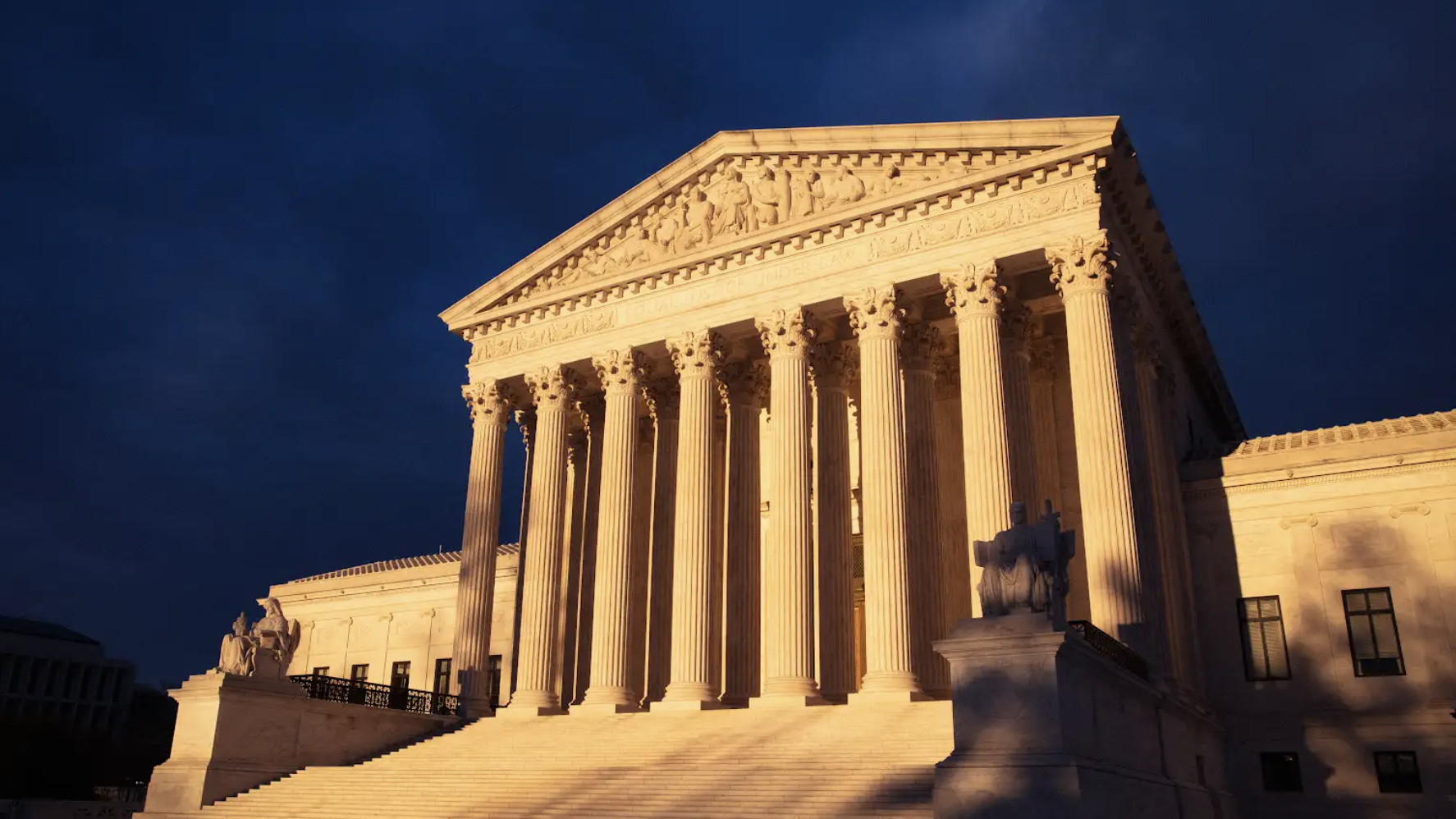
If your package disappears or a critical letter never arrives, you may have no legal way to hold the Postal Service accountable. The Supreme Court ruled that the U.S. Postal Service can't be sued for intentionally failing to deliver mail, leaving Americans without a federal damages remedy for lost opportunities or personal harm. This decision may particularly affect those who rely on mail for jobs, benefits, or family ties.
The Court's 5-4 Split
The justices voted 5-4 to shield the Postal Service from lawsuits under a congressional exception in federal law. The majority argued that the statute's carve-out covers even deliberate non-delivery, regardless of motives like racial bias. The case stemmed from a Black landlord in Illinois who alleged her mail carriers withheld her packages due to discrimination. The Court ruled that intentional non-delivery falls under a statutory exception that bars lawsuits against the Postal Service, regardless of the carrier's motive. Dissenting justices warned that this ruling creates what they see as a loophole for abuse and could affect public trust in essential services.
How It Undermines Everyday Protections
This decision limits a key tool for challenging postal errors, affecting renters, small businesses, and families who depend on reliable delivery. A person could theoretically face consequences from delayed rent payments or missing medical notices without a federal lawsuit as recourse, though other legal remedies may exist. Some legal experts have argued in prior writings that damages suits can deter agency misconduct. This ruling may influence how other federal entities approach similar immunity questions.
A Day of Contrasting Rulings
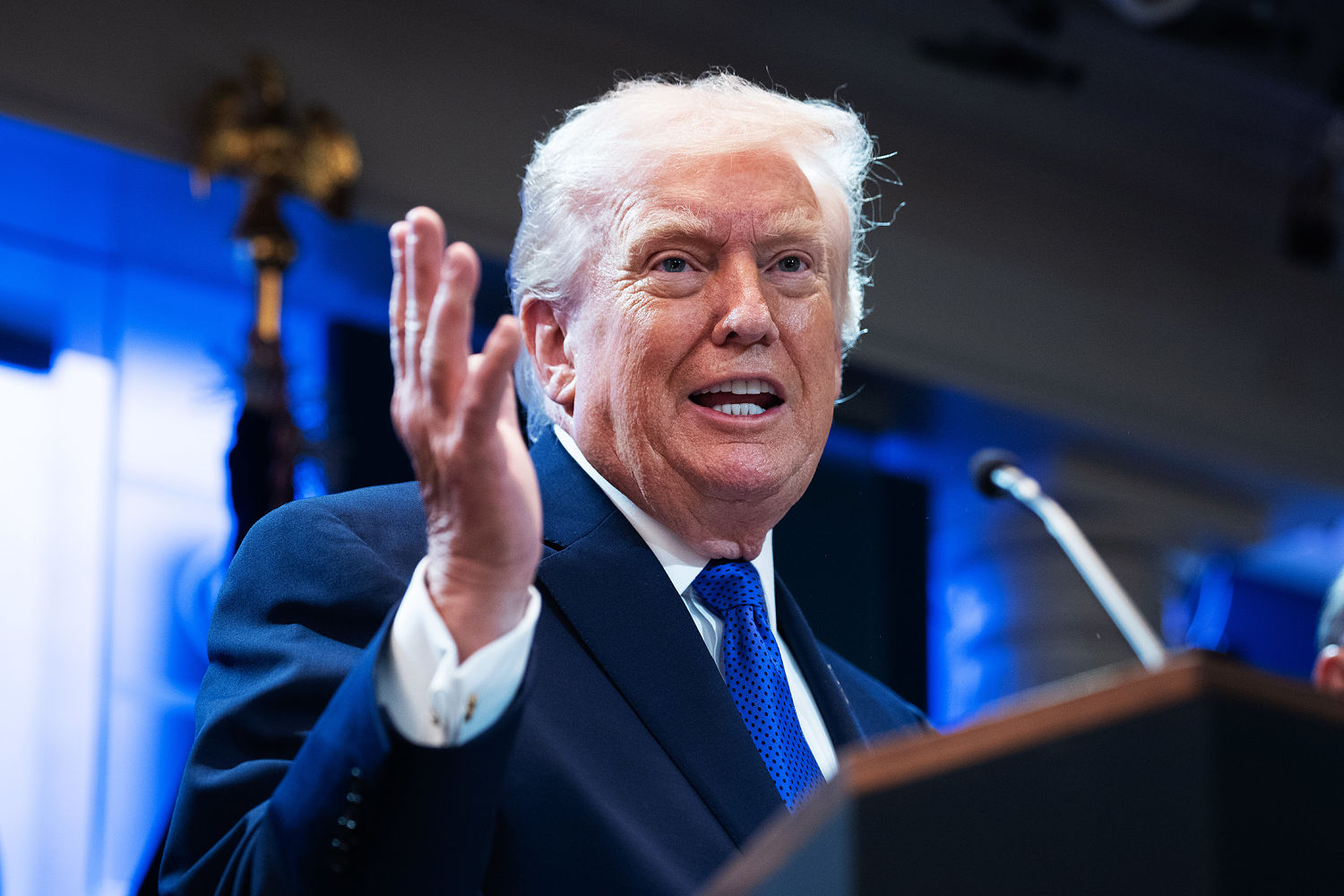
While the Postal Service case dominated headlines, the Supreme Court also handed down a 6-3 decision against President Trump's use of tariffs, with Chief Justice Roberts joining two conservative justices in the majority. That ruling reinforced the court's "major questions doctrine"—the principle that Congress must explicitly authorize major policy decisions by the executive branch—and highlighted ongoing tensions over executive power.
The Path Forward for Reform
Some advocates may push lawmakers to revisit the federal statute for clearer protections. Supporters of the ruling argue the current statute's carve-out reflects congressional intent and protects the Postal Service from frivolous litigation. For those affected, change could come through congressional action or other legal remedies. The next Supreme Court term begins in October, and related cases may be brought before the Court.