




The Court Strikes Down Trump's Trade Centerpiece
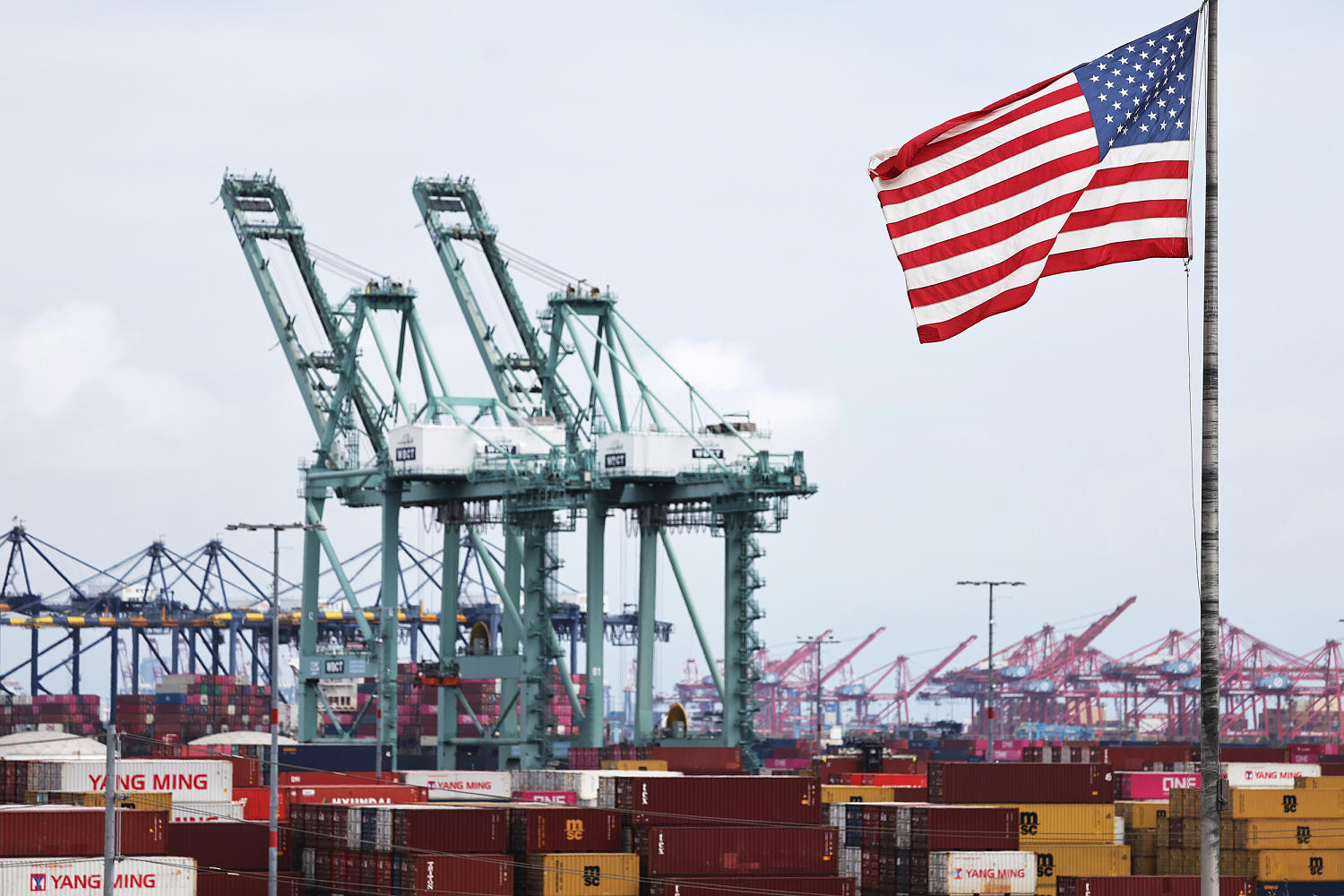
Last week, the Supreme Court ruled that President Trump had overstepped his legal authority when he imposed sweeping tariffs using an emergency powers statute. The decision invalidated tariffs under which American importers, including major companies like FedEx, had paid an estimated $175 billion in duties to the government. Trump is pursuing new tariff measures using different legal authorities and has threatened more aggressive trade policies in response to the ruling.
What This Means for Your Grocery Bill and Beyond
The Supreme Court struck down tariffs imposed under the International Emergency Economic Powers Act. A 10% global tariff went into effect Tuesday under Section 122 of the Trade Act of 1974. Trump announced he would raise it to 15%, then stated it would remain at 10%, creating uncertainty that affected financial markets and left trading partners seeking clarity on their status. Households that buy imported goods or products containing imported parts could face higher costs, though economists debate the magnitude and distribution of tariff impacts. Tariff supporters argue that tariffs protect domestic industries and jobs.
Companies Are Now Demanding Refunds
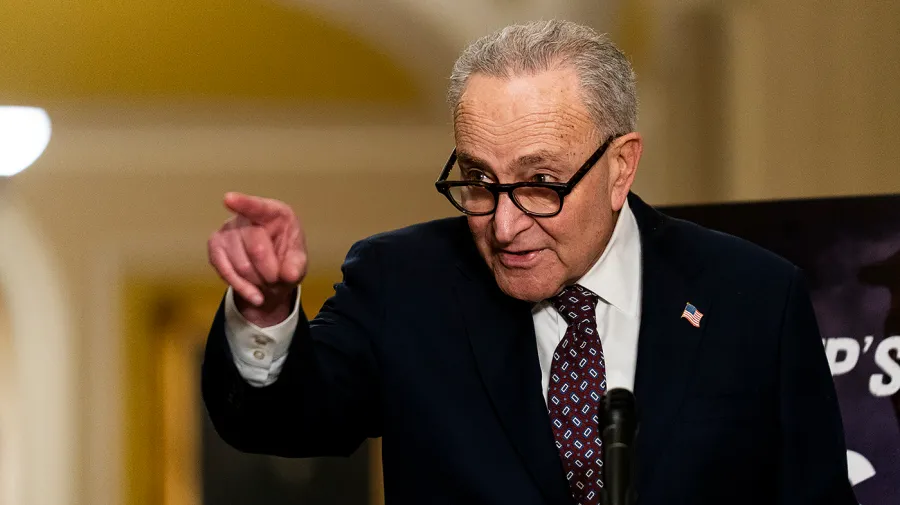
FedEx sued the Trump administration Monday seeking a full refund of tariffs it paid under the now-invalid rules. The company is expected to be the first of many. Other importers are preparing similar lawsuits. Senate Democrats introduced legislation requiring the administration to refund all illegally collected duties, potentially forcing the government to return up to $175 billion.
The Trump administration said it would stop collecting the old tariffs on Tuesday. The legal implications of the Supreme Court ruling are still being assessed by various stakeholders. According to Justice Department filings cited in the sources, government lawyers stated that Section 122 of the Trade Act may not have "obvious application" to addressing trade deficits, Trump's stated goal for the new tariffs.
The Global Chaos Spreading Fast
European officials put their trade deal with the United States on hold Monday, demanding clarity on how Trump's new tariffs affect agreements they struck in the summer of 2025. The Trump administration has not yet provided detailed guidance on how existing trade agreements will be affected. Japan, India, and other trading partners are seeking to understand the implications. Stock markets declined on Monday. The Dow Jones fell 1.6%, the S&P 500 dropped 1.4%, and the Nasdaq fell 1.1% amid uncertainty over tariff policy.
South Korea's Hyundai Motor warned that tariff pressure may intensify despite the Supreme Court ruling. Asian currencies weakened as markets reopened to what traders called renewed tariff uncertainty.
Trump's Threat to Go Even Bigger
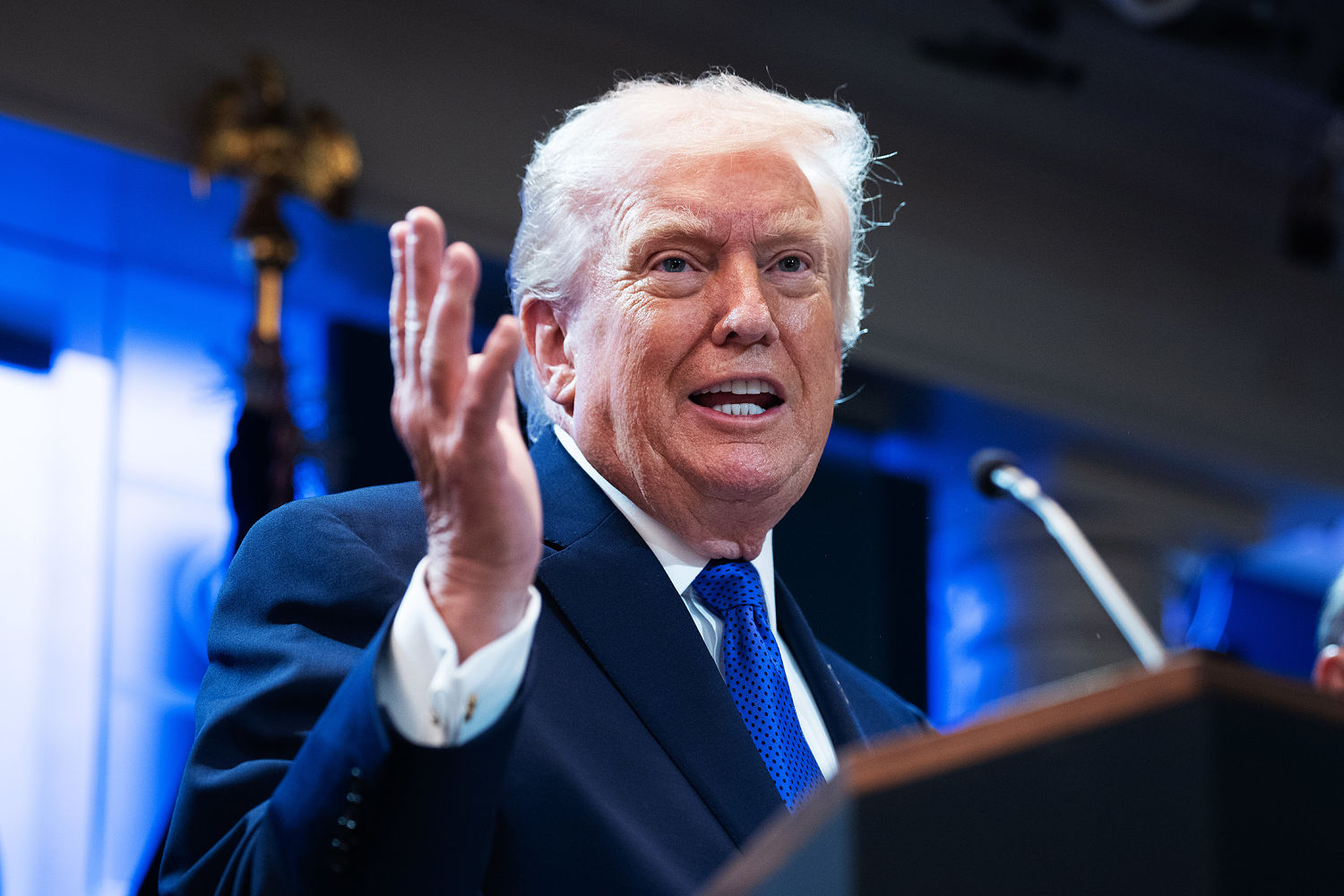
Trump stated Monday that he can use tariffs in a "much more powerful and obnoxious way" than before, signaling intent to escalate tariff measures. The White House is launching new national security investigations into batteries, telecom equipment, and solar panels from India, Indonesia, and Laos. The administration is pursuing these investigations to provide legal basis for new tariffs under different provisions. Legal analysts at outlets including Reason magazine have argued that the new tariffs under Section 122 may face similar legal challenges, citing Justice Department admissions about the provision's limited application.
Trump appears willing to maintain the tariffs during legal proceedings. Critics argue this shifts costs onto consumers and importers; supporters contend the tariffs protect domestic interests while legal questions are resolved.
What Happens Next
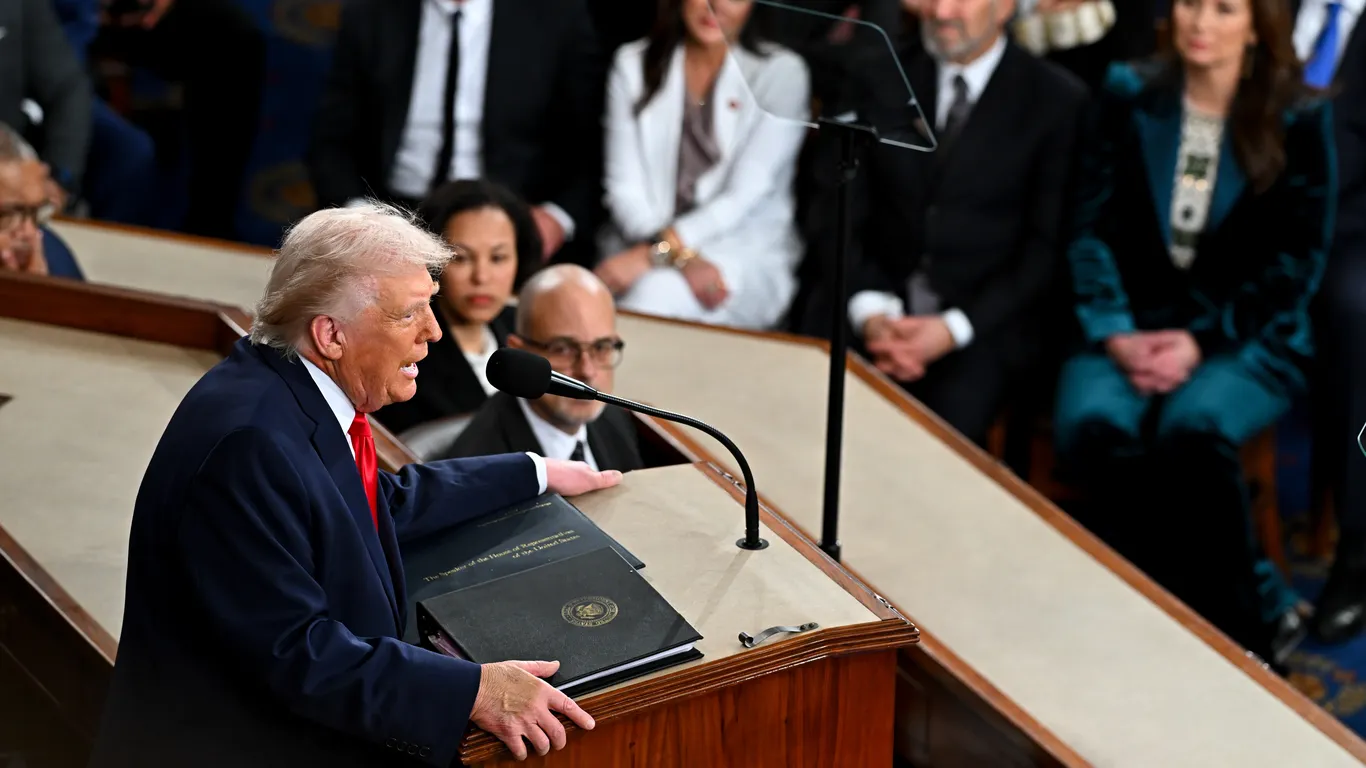
The Congressional Budget Office announced it will recalculate its projections of tariff revenue, which it had estimated at $3 trillion over a decade. Trump is expected to deliver his State of the Union address Tuesday, possibly outlining his case for maintaining and expanding tariffs despite the court's rejection of his legal authority. For U.S. consumers and businesses that purchase imported products, the next few weeks will determine whether tariffs stay at 10%, jump to 15%, or climb even higher.