




The Immediate Impact
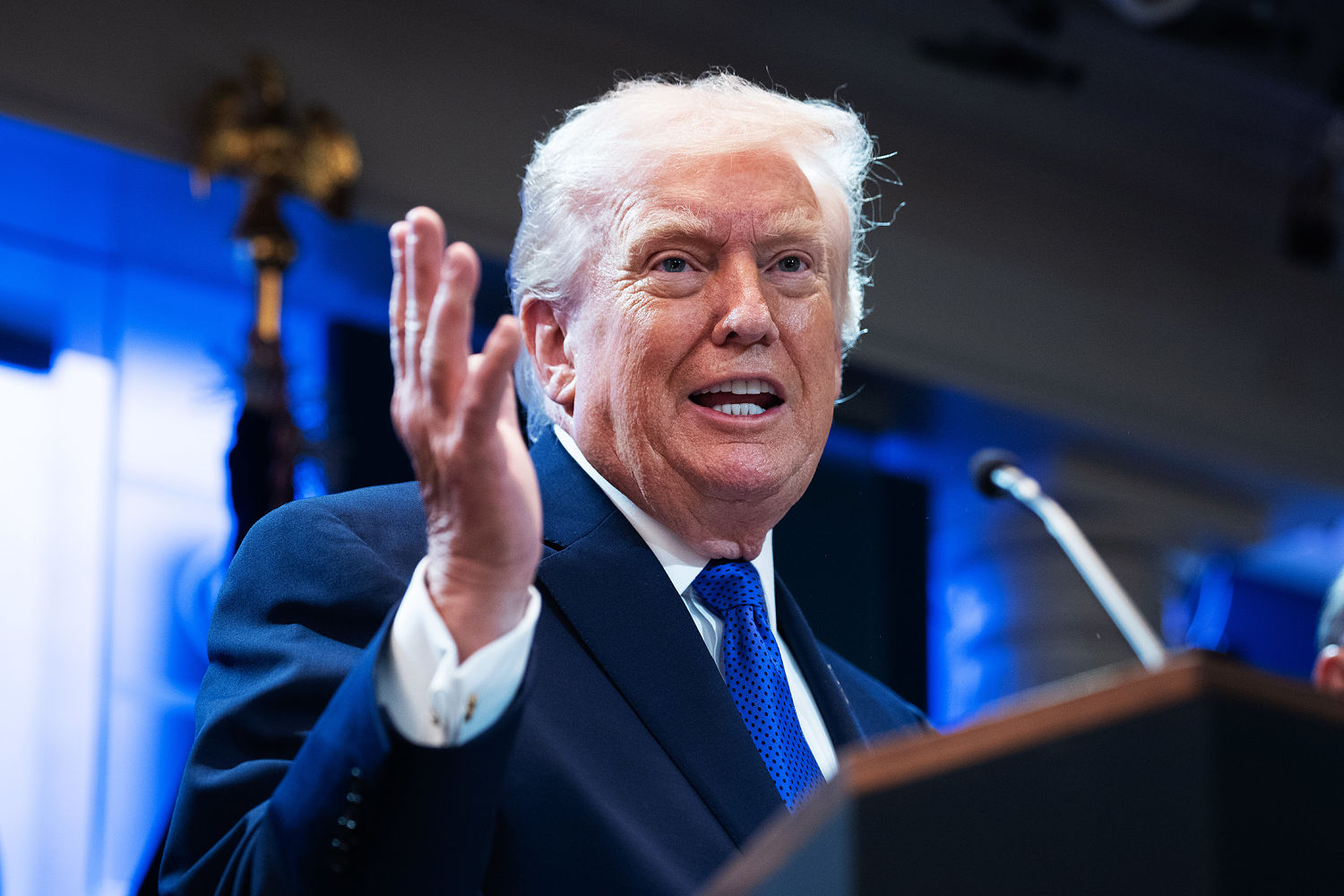
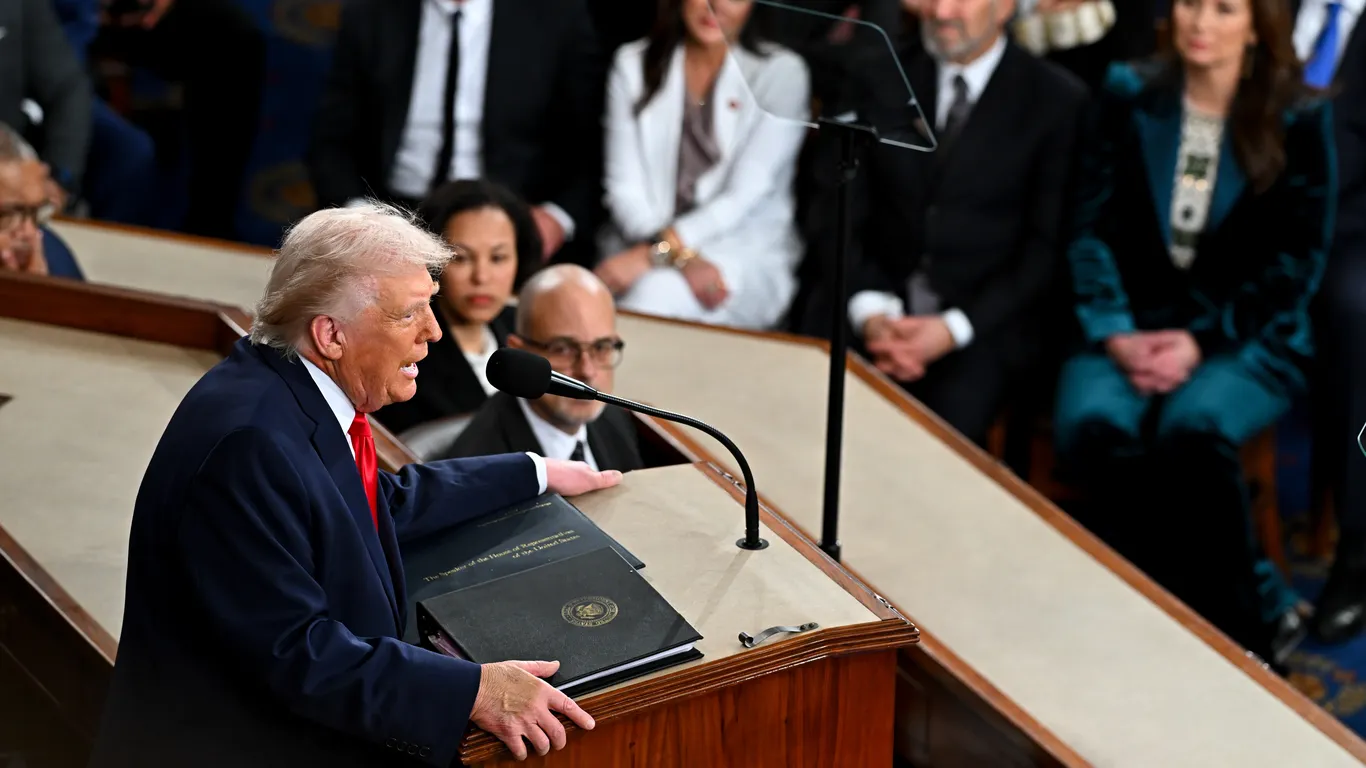
Donald Trump's fresh round of tariffs arrived Tuesday morning at 10 percent on nearly all imports, despite his weekend threat to raise them to 15 percent. The move came just four days after the Supreme Court struck down his original sweeping tariff agenda, ruling he had exceeded his constitutional authority. Trump then invoked Section 122 of the 1974 Trade Act and imposed a global levy on goods not covered by existing exemptions.
The lower-than-promised rate provided some relief to British business groups, but the uncertainty itself became a major concern. Markets, exporters, and trading partners now face a moving target. Trump administration officials said they are "working to hike" the tariff to 15 percent at a later date, leaving everyone guessing when and whether that increase will land.
Why This Matters to Your Wallet
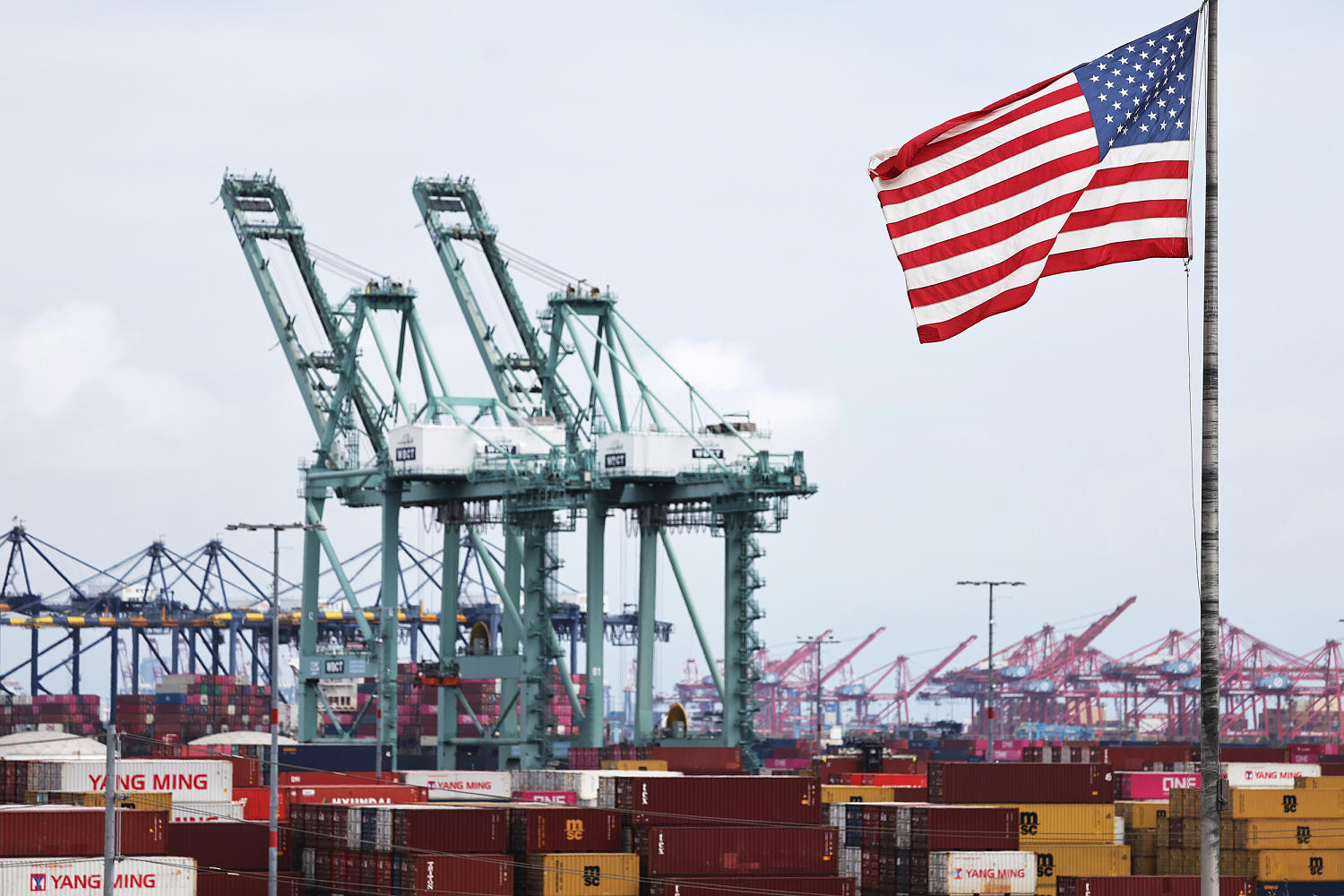
These tariffs will ripple directly into American household costs. German exporters face new uncertainty about selling cars and industrial goods to the U.S. South Korean automaker Hyundai warned that tariff pressure may intensify despite the Supreme Court's legal victory. Shipping company FedEx sued Monday for a full refund of all tariff payments it made under Trump's original tariff regime—a sign of how broadly these policies affect American businesses that move goods across borders.
The tariffs start at 10 percent but could climb. Every percentage point increase could raise prices on everything from German machinery to French wine to Asian electronics if retailers pass along the costs. A family buying imported goods will feel this at checkout counters.
Europe Prepares for Negotiation, Not Surrender
The European Union's trade chief Maros Sefcovic announced Tuesday that the bloc faces a "transition period" with the United States after Trump's tariff move. That phrase signals Europe is preparing for extended tariff negotiations rather than immediate retaliation. Sefcovic urged EU lawmakers to approve a trade deal with the U.S. by March, provided there is clarity on Trump's tariff plans by then.
The EU's approach, as signaled by Sefcovic, suggests waiting for Trump to clarify his final tariff rate before negotiating. But that patience has limits. If Trump raises tariffs to 15 percent or higher, Europe could respond with its own levies on American goods, potentially escalating the trade war.
The Legal Chaos Continues
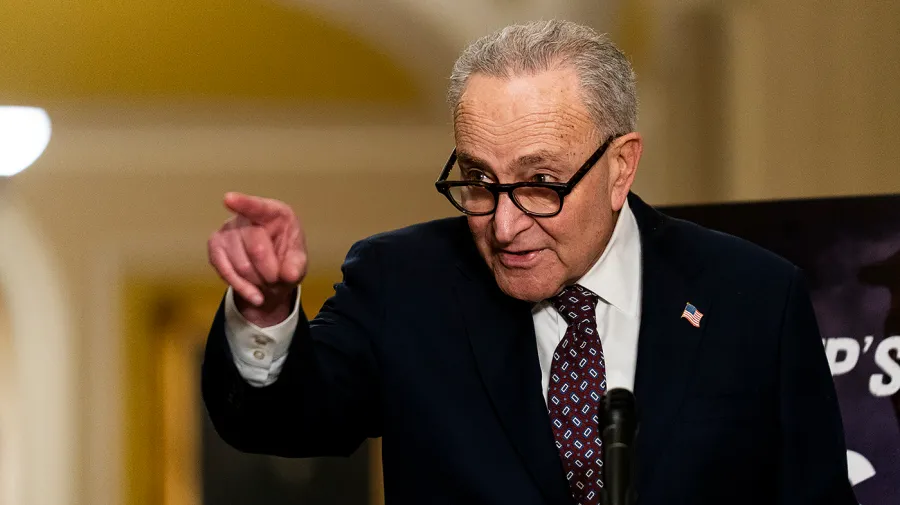
Trump's new tariffs face the same constitutional questions as his old ones. Democratic senators including Jeff Merkley argue Section 122 does not authorize what Trump is doing. The provision was designed to address balance-of-payments crises—situations where countries lose access to credit markets. Economists argue the U.S. faces no such crisis, though the Trump administration contends it does. Courts are expected to hear lawsuits challenging the new tariffs. If judges strike down these tariffs too, new legal challenges could arise.
FedEx's lawsuit signals that major corporations will pursue refunds aggressively. If the courts rule against Trump again, the government could face significant refund liabilities to companies that paid under an illegal policy.
What Happens Next
The White House says the 15 percent rate is still coming. Trump warned countries not to "play games" with existing trade deals, threatening escalation. China said it will decide on countermeasures "in due course." The EU is waiting for clarity by March. Markets brace for more volatility.
For American consumers and businesses, the next move belongs to the courts—and they will decide whether Trump's legal workaround holds or collapses like the first one.