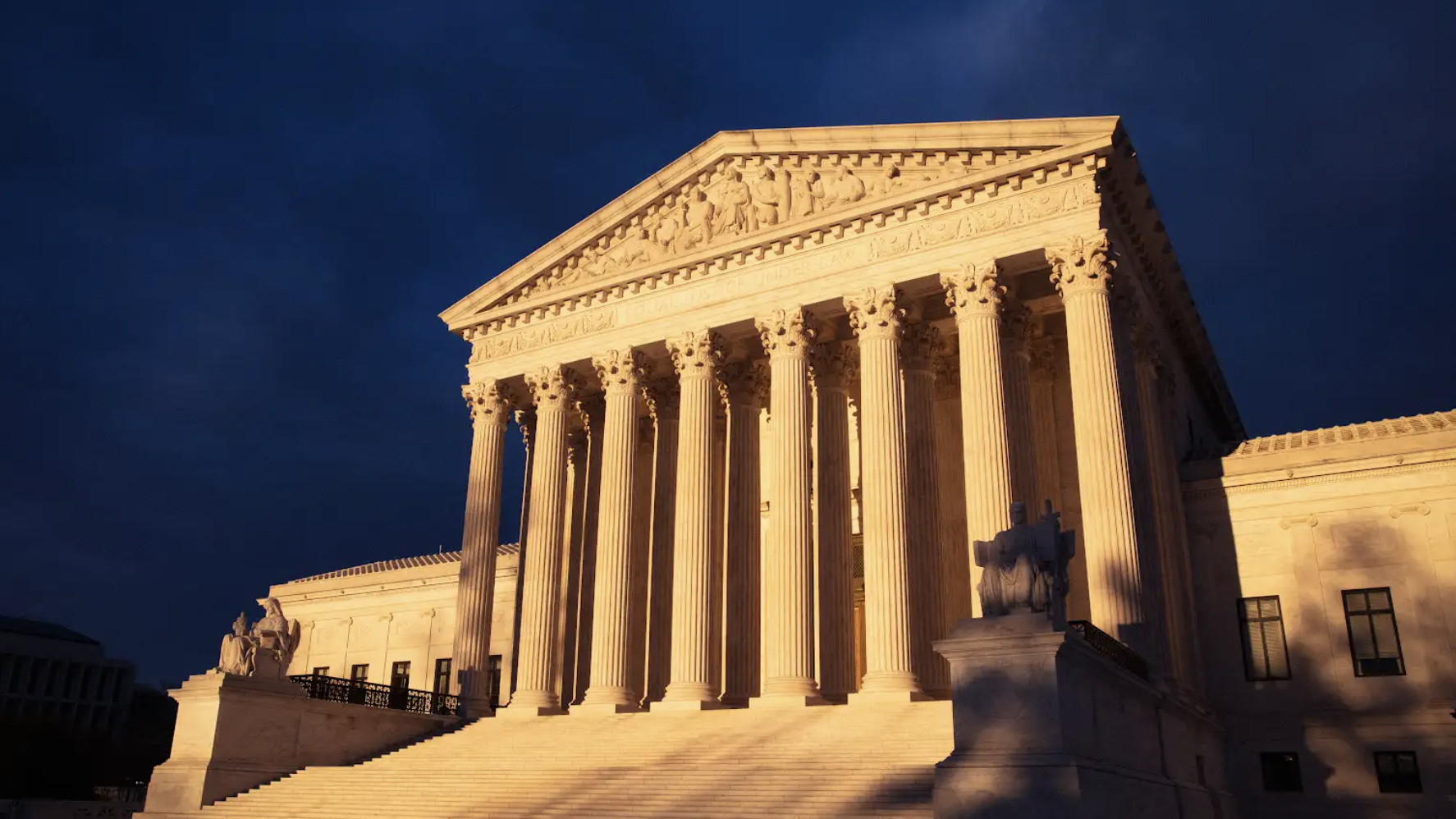
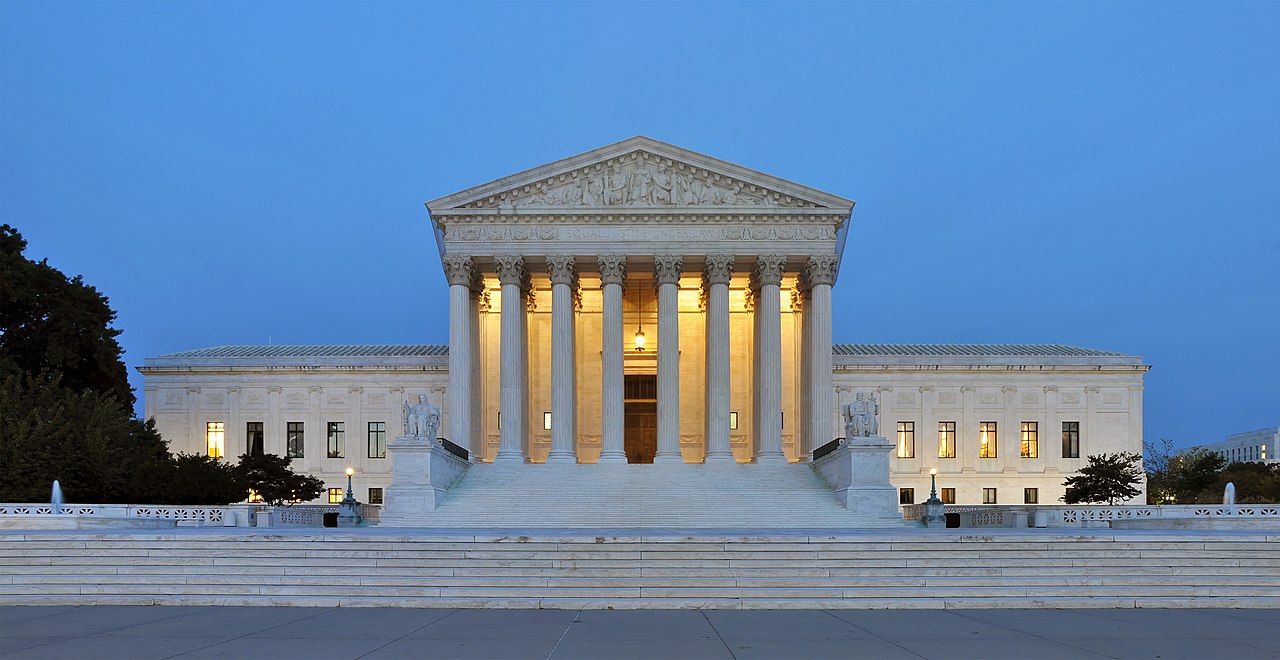
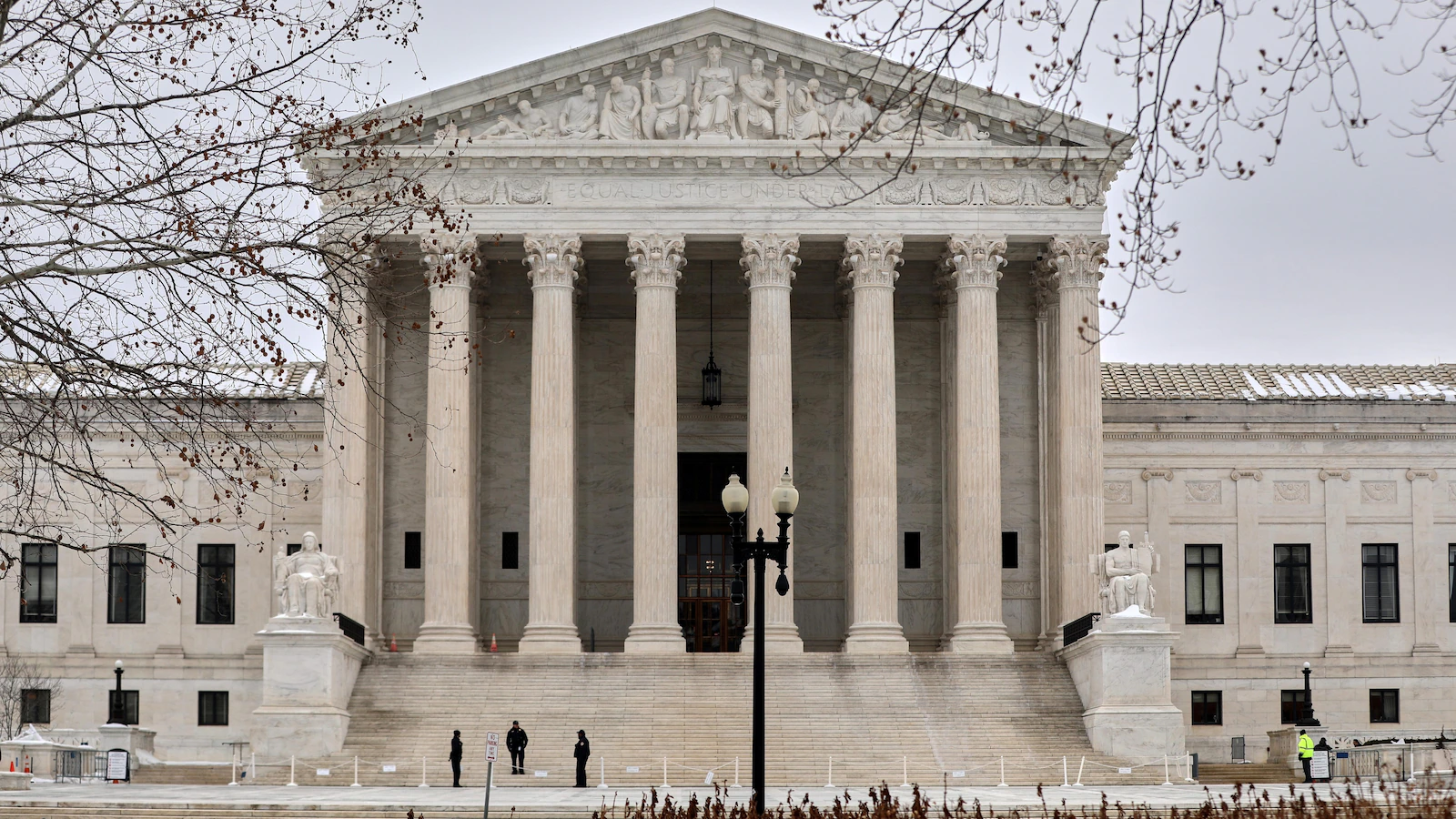
The Supreme Court is preparing to hear a case that will decide whether states can sue major oil companies for climate-related damages. ExxonMobil and Suncor have asked the Court to dismiss a lawsuit filed by the city and county of Boulder, Colorado. The outcome will shape whether similar suits can proceed across the nation.
The lawsuit seeks billions in damages, alleging that the companies' emissions worsened flooding and extreme weather events. The companies dispute these claims. The Supreme Court has agreed to consider the companies' request to dismiss the case before trial.
A ruling in favor of the companies could limit states' ability to pursue such lawsuits. Supporters of the companies argue this protects them from liability they believe exceeds their legal responsibility. Supporters of the lawsuit argue it weakens environmental accountability.
A ruling against the companies could allow local governments to pursue similar suits, potentially resulting in financial liability for fossil fuel producers.
Environmental groups argue that a ruling in favor of the companies would limit states' ability to hold corporations responsible for climate-related harms. They argue that limiting such lawsuits could reduce incentives for emissions reductions.
The companies and their supporters argue that such lawsuits exceed state authority, impose liability for harms beyond their control, and could increase energy costs for consumers and reduce investment in energy infrastructure.
The Supreme Court will decide whether state courts can hear such lawsuits and what legal liability, if any, energy companies bear for climate-related harms. The ruling could influence whether other local governments file similar suits.
If you’re concerned about rising energy costs and environmental accountability, brace yourself. The Supreme Court is preparing to hear a pivotal case that could determine whether major oil companies can sidestep state lawsuits over climate change damages. This legal battle, involving ExxonMobil and Suncor, has the potential to reshape how states can hold corporations accountable for their role in climate change, directly impacting your energy bills and local environmental policies.
The Supreme Court has agreed to consider a request from ExxonMobil and Suncor to dismiss a lawsuit filed by Boulder County, Colorado. This lawsuit seeks billions in damages, arguing that the companies' contributions to climate change have caused significant harm, including increased flooding and extreme weather events. The outcome could either reinforce states' rights to pursue accountability or grant corporations a shield against such legal actions.
This case is emblematic of a larger struggle over corporate responsibility in the face of climate change. If the Supreme Court rules in favor of the oil companies, it could set a precedent that limits states' ability to seek damages, effectively weakening environmental protections and shifting the financial burden of climate change back onto taxpayers. Conversely, a ruling against these companies could empower local governments across the nation to pursue similar suits, potentially leading to substantial financial penalties for fossil fuel producers.
Environmental advocates warn that a ruling in favor of the oil companies would signal a retreat from accountability in the fight against climate change. They argue that allowing these corporations to evade responsibility could encourage further environmental degradation and delay necessary action to mitigate climate impacts. On the other hand, proponents of corporate immunity argue that such lawsuits could stifle economic growth and innovation in the energy sector.
As the Supreme Court prepares to hear arguments, the stakes couldn't be higher. The decision is expected to have lasting repercussions not just for the involved companies, but for the entire framework of environmental policy in the United States. With energy costs already a concern for many households, the implications of this ruling could reach far beyond the courtroom, affecting daily lives and financial stability.
For now, the nation waits with bated breath. The Supreme Court's decision will not only influence the future of climate litigation but also determine who ultimately pays the price for climate change—corporations or the communities they impact.
Highlighted text was flagged by the council. Tap to see feedback.