Military escalation under consideration
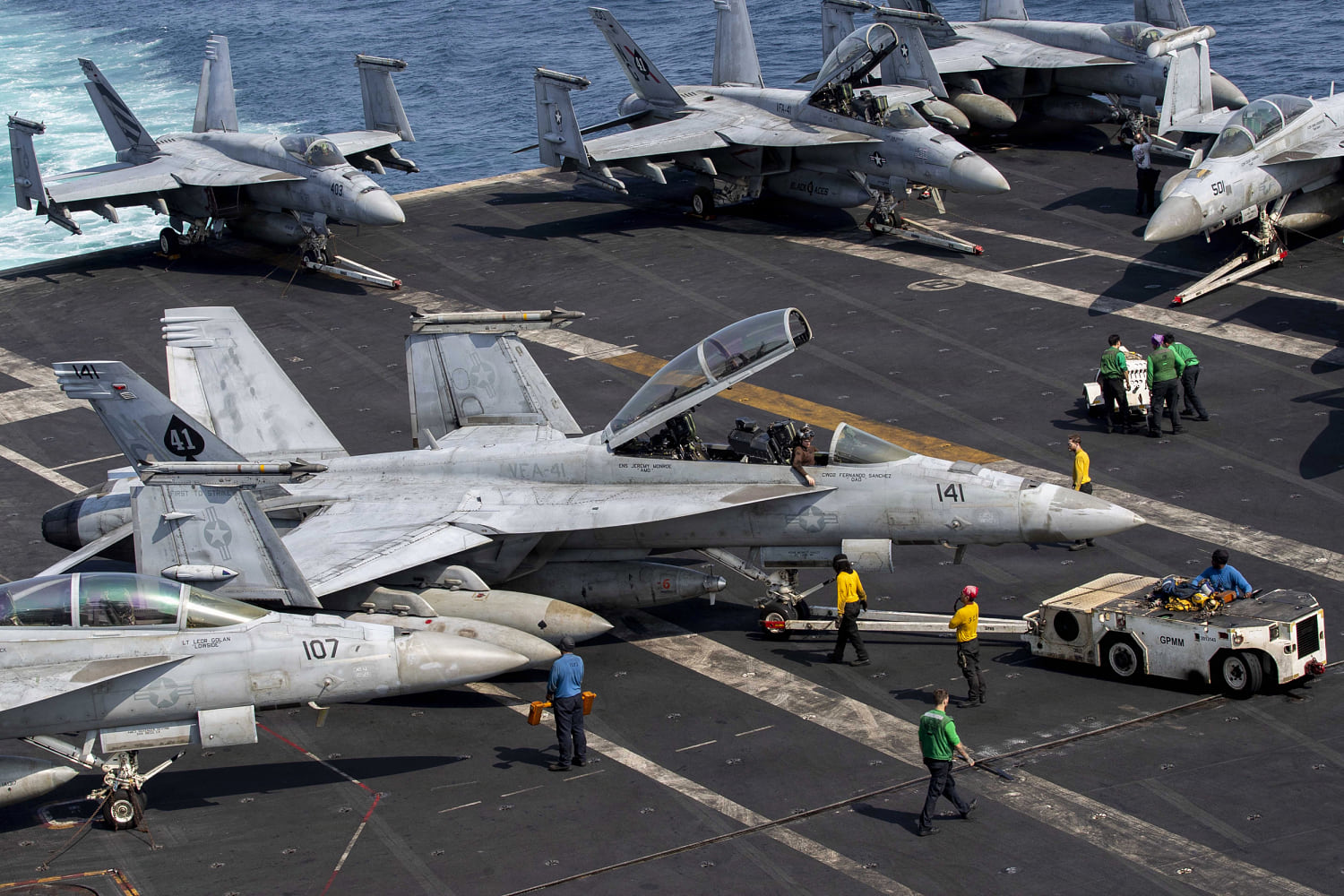
Pentagon officials are evaluating the deployment of an airborne brigade of approximately 3,000 soldiers capable of reaching any global location within 18 hours for potential combat operations in the Iran war. Pentagon officials are evaluating ground deployment as the conflict continues.
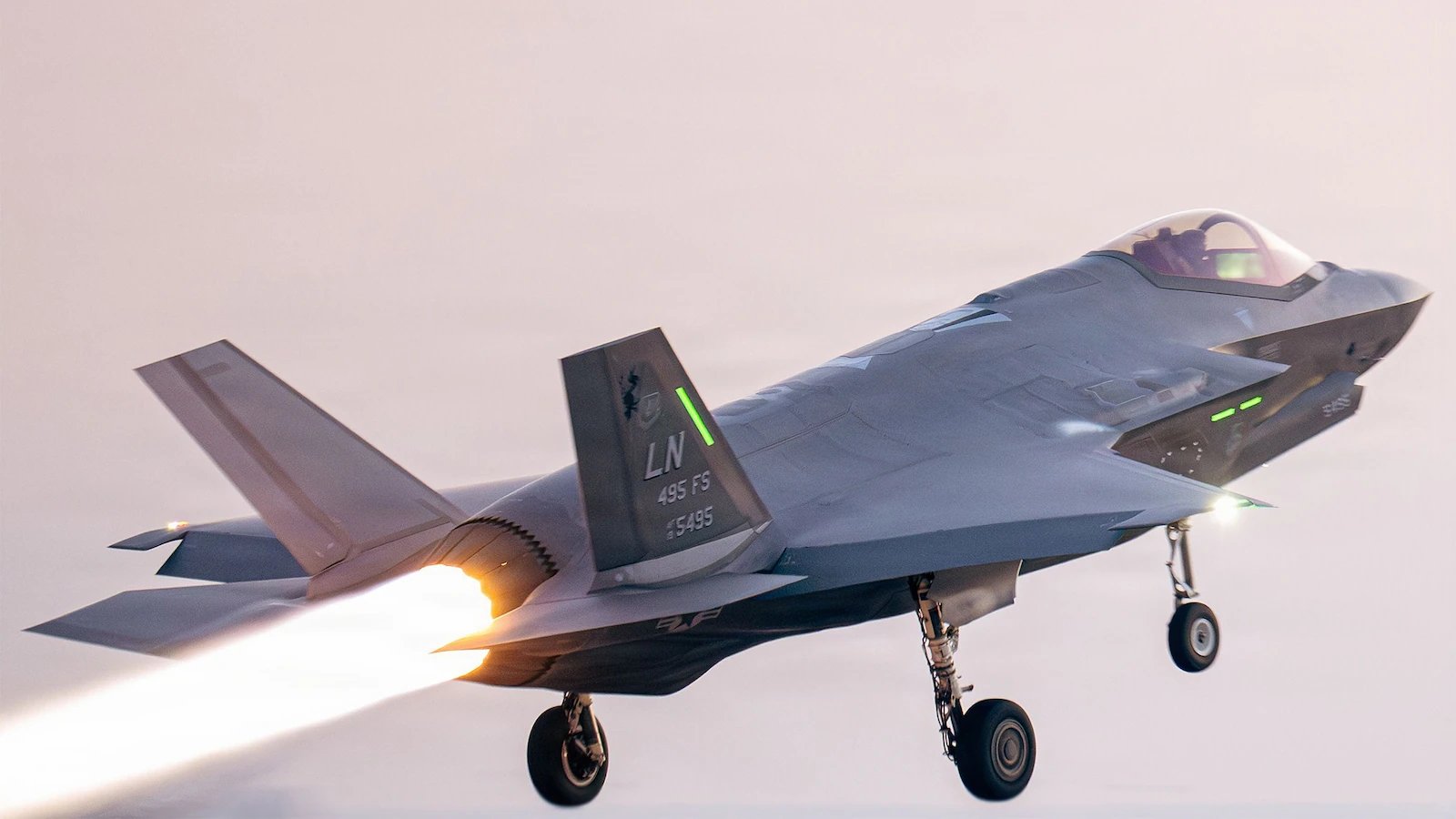
The assessment comes as Iran continues conducting missile and drone strikes against U.S. and allied positions in the Gulf despite claims from President Trump and Defense Secretary Pete Hegseth that sustained strikes have crippled Iran's military capacity. On Saturday, Iran launched two missiles toward the U.S.-UK base on Diego Garcia in the Indian Ocean, a distance of approximately 3,800 kilometers, raising concerns about Iran's missile capabilities, previously assessed at about 2,000 kilometers.
The uncertain Iranian leadership
The chain of command in Iran remains opaque following strikes that reportedly killed Supreme Leader Ali Khamenei and senior figures including Ali Larijani and commanders of the Islamic Revolutionary Guards Corps. Mojtaba Khamenei, reportedly the new leader, has not appeared publicly and has communicated only through two written messages, leaving his condition and authority unclear.
This leadership vacuum creates negotiating complications for the United States. Iranian President Masoud Pezeshkian has kept a low profile since Mojtaba Khamenei's rise, further narrowing diplomatic channels. Iranian officials say that during a second round of talks in Geneva on February 27, they addressed most U.S. concerns before strikes began the next day.
Civilian toll mounting rapidly
The Human Rights Activists News Agency has recorded more than 1,400 civilian deaths, with 15 percent being children. A primary school in the southern town of Minab was struck early in the conflict. Reports point to U.S. responsibility for targeting a nearby military base. The Kurdish human rights group Hengaw identified 48 children and 10 adults killed. The U.S. military has not publicly admitted hitting the school but says it is investigating.
Individual casualties illustrate the human cost. Parastesh Dahaghin, a young pharmacist in Tehran's Apadana neighborhood, was killed in an explosion while at work. Her brother Poorya wrote on Instagram that his sister had replied to family warnings about safety by saying: "People need me, people have been wounded." Berivan Molani, a 26-year-old lifestyle blogger, returned to Tehran from northern Iran and was killed in her bed on March 17 during an Israeli airstrike.
The International Committee of the Red Cross says civilians are paying an "alarming" price. The World Health Organization has verified more than 20 attacks on health care facilities, with at least nine health workers killed. Iranian surgeon Dr. Hashim Moazenzadeh, now based in France but in contact with former colleagues in Tehran, said: "The bombs being used are extremely large and we have a very high number of civilian casualties."
Funding debate and public skepticism
The Pentagon's consideration of ground deployment comes as Congress debates war funding. Senator Jim Banks of Indiana defended a $200 billion funding request for the conflict, calling it "America First" and emphasizing that money is being directed toward rebuilding munitions stockpiles and reshoring defense manufacturing jobs.
Public support for the war is fragile. A CBS News/YouGov poll found that 57 percent of Americans believe the conflict is going either "somewhat badly" or "very badly" for the United States, while 43 percent said it is turning out well.
Energy crisis and economic pressure
The conflict is creating global economic consequences that may dwarf the funding debate. Fatih Birol, head of the International Energy Agency, warned that the world faces an energy crisis worse than both 1970s oil shocks combined if the Middle East war continues. The world is losing more oil each day than the combined impact of the two 1970s oil shocks and Russia's invasion of Ukraine, Birol said.
British Prime Minister Keir Starmer convened an emergency meeting with Finance Minister Rachel Reeves and Bank of England Governor Andrew Bailey to address the war's economic fallout. Strikes on Iranian gas sites are driving up energy costs worldwide, pushing prices higher for power, food, and other essentials. Around 170 million people across the region, including more than 90 million in Iran, could face serious disruption to electricity and other essential services if the conflict escalates further.
The narrowing path forward
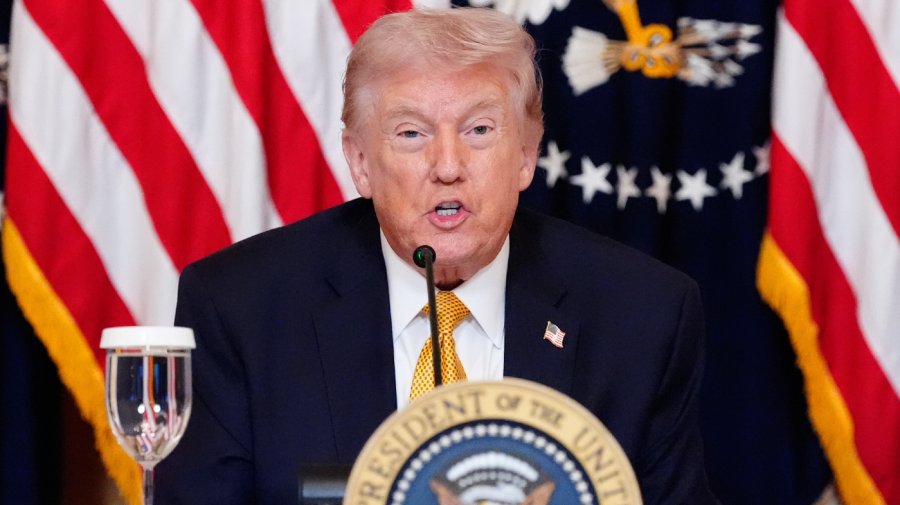
Trump issued a 48-hour ultimatum Saturday demanding Iran reopen the Strait of Hormuz, one of the world's busiest oil routes, threatening to "obliterate" Iranian power plants if the demand was not met. Iran rejected the demand and threatened to strike energy infrastructure across the region, with the Supreme Council of Defence raising the possibility of mining parts of the Persian Gulf.
Hours before the deadline expired, Trump announced a five-day pause on planned strikes against Iranian energy infrastructure, citing "very good and productive conversations" with Iran. Oil prices fell modestly in response, though the announcement remains untested. Without ground forces, air power alone cannot achieve total Iranian surrender while triggering risks of wider retaliation. Both sides now face constrained options: Iran cannot easily step back without appearing weak, while the U.S. and Israel cannot achieve decisive victory through air strikes alone.