China restricted exports to 40 Japanese companies on Tuesday. The move could disrupt supply lines for electronics and precision components, potentially raising costs for U.S. manufacturers that rely on those parts. If unresolved, it could mean higher prices at stores or delays for consumer goods, potentially affecting your daily life amid escalating Asia-Pacific tensions.
China announced the restrictions against 40 specific Japanese firms, accusing them of fueling Japan's military buildup. Beijing stated the action counters Tokyo's military expansion, amid ongoing disputes over regional influence and territorial claims. The affected companies operate in electronics and defense-related manufacturing, according to reporting on the announcement.
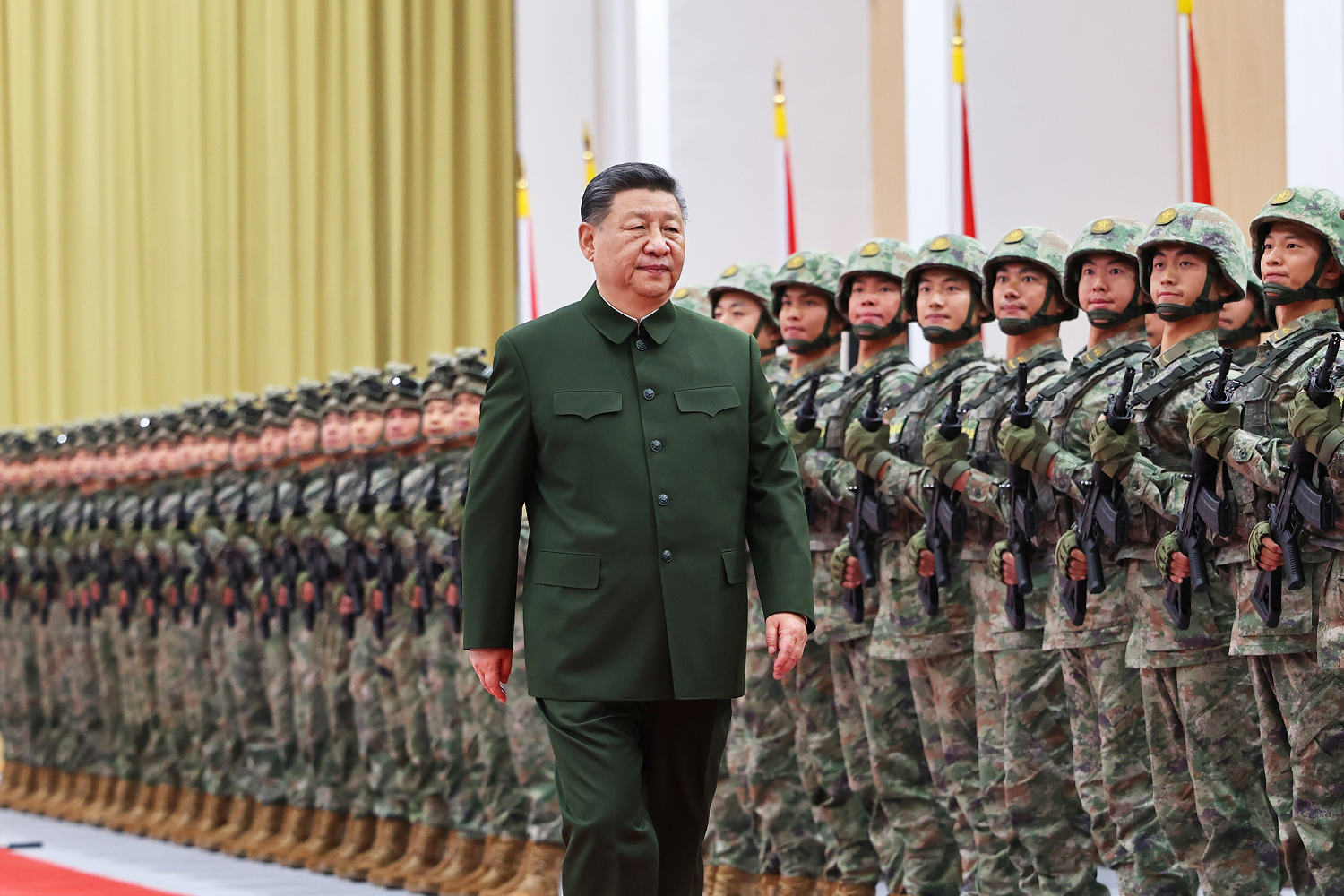
President Xi Jinping is purging top military leaders, including his two highest-ranking generals. Researchers say this internal upheaval could weaken the People's Liberation Army's effectiveness. It remains unclear whether the export bans relate to this instability, though the timing raises questions about their connection.
U.S. tech and defense sectors could face supply-chain complications if their Japanese partners are on the restricted list. This restriction could force American firms to reroute supplies and strain partnerships in the Indo-Pacific. Some analysts note the move underscores vulnerabilities in U.S. supply chains built on foreign dependencies.
Beijing stated the restrictions protect national security and target entities contributing to Japan's military expansion. Japan's response to the restrictions has not been detailed in available reporting. U.S. analysts emphasize that incidents like this reveal supply-chain risks, though sources do not detail specific policy prescriptions.
As tensions simmer, U.S. businesses may need to adapt to potential shortages. The restrictions may prompt companies dependent on Japanese suppliers to explore alternatives, though no such actions have been reported. The potential impact on American consumers depends on the role these 40 Japanese entities play in U.S. supply chains, which remains unclear.
American consumers could soon feel the pinch in their pockets as China restricts exports to 40 Japanese companies tied to military tech. This move disrupts global supply lines for everything from smartphones to cars, raising costs for U.S. manufacturers who rely on those parts. If unresolved, it might mean higher prices at stores or delays in new tech, directly affecting your daily life amid escalating Asia-Pacific tensions.
China announced restrictions on Tuesday against 40 specific Japanese firms, accusing them of fueling Japan's military buildup. The list includes key players in electronics and defense manufacturing, such as suppliers for semiconductors and precision components. Beijing claims this action counters what it calls Tokyo's "remilitarization," a charge that echoes ongoing disputes over regional influence and territorial claims.
President Xi Jinping is purging top military leaders, including his two highest-ranking generals, in a bid to tighten control over the People's Liberation Army. Researchers warn this internal upheaval could weaken China's defense capabilities, making the country more aggressive in trade disputes as a distraction. The export bans to Japan might stem from this instability, blending domestic purges with international posturing and heightening risks for allies like the U.S.
U.S. tech and defense sectors face immediate threats, with companies depending on Japanese parts for chips and weapons systems. This restriction could force American firms to reroute supplies, increasing production costs by millions and straining partnerships in the Indo-Pacific. Lawmakers in Washington have yet to respond publicly, but experts note it underscores vulnerabilities in U.S. supply chains built on foreign dependencies.
Beijing defends the bans as necessary to protect national security, with officials pointing to Japan's growing defense ties with the U.S. as provocation. In Tokyo, government spokespeople call the move economic coercion, arguing it violates trade norms and harms shared markets. U.S. analysts, like those from defense think tanks, emphasize that this incident reveals the need for stronger domestic manufacturing to counter such tactics.
As tensions simmer, U.S. businesses must now adapt to potential shortages, with industry leaders already scouting alternative suppliers. The broader fallout could reshape alliances, pushing Japan and the U.S. closer together against China's assertiveness. For everyday Americans, the real test comes in the coming months as these disruptions translate to higher bills and fewer options on store shelves.
Highlighted text was flagged by the council. Tap to see feedback.