




Data center delays could affect your power bill
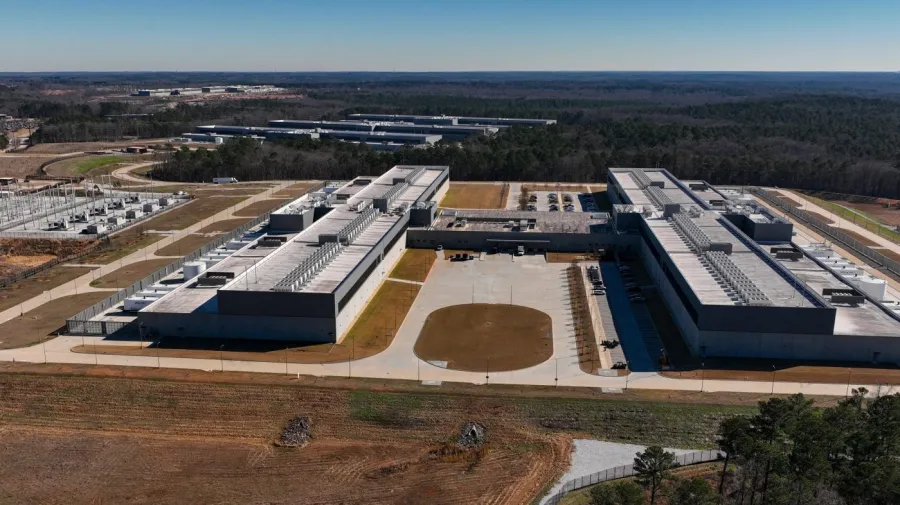
As many as half of the world's data center projects scheduled to open this year could face delays, according to a report released Tuesday by Sightline Climate, a data intelligence firm. Up to 11 gigawatts of capacity remains in the announced stage with no construction underway. For context, one gigawatt powers roughly 1 million U.S. homes. The delays signal a collision between tech companies' ambitions and the physical limits of the power grid.
Communities across the country are opposing rising electricity prices they attribute to data centers consuming city-scale amounts of power. Some local residents worry that if utilities raise rates to fund grid upgrades for data centers, household bills could rise. Regulators have not yet approved such increases. With state and local elections looming in some areas, opponents are pushing officials to adopt moratoria this year.
Why the boom is hitting a wall
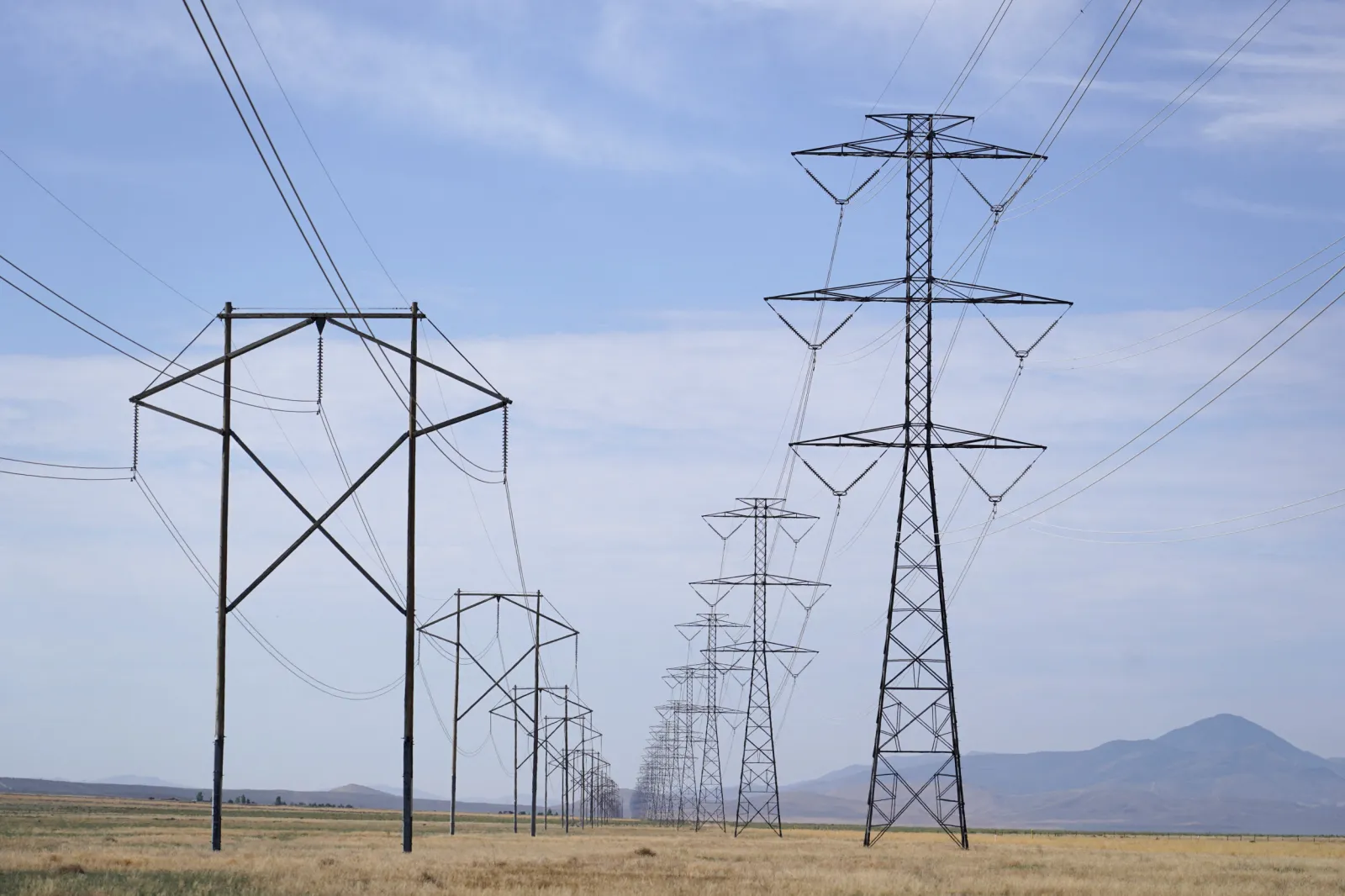
Tech giants locked in a race to build AI infrastructure are discovering that power grids cannot keep pace. They face mounting obstacles: power constraints, grid equipment shortages, and growing community opposition that is translating into moratorium proposals.
Sightline has tracked more than 10 new moratorium proposals in the past month alone across U.S. states, including New York, Michigan, Virginia, and Oklahoma. Olivia Wang, a Sightline research analyst, expects this trend to accelerate. "We expect this trend to continue and meaningfully increase the risk of projects being delayed, withdrawn, and ultimately canceled," Wang wrote.
The data tells a mixed story. Nearly six gigawatts came online last year, and five gigawatts are already under construction this year. Development is still surging despite growing hurdles. Companies that locked in power and equipment contracts early are bringing capacity online rapidly. But the window for easy expansion is closing.
The infrastructure bottleneck
Typical data center construction takes 12 to 18 months. Projects announced without secured power contracts face a choice: wait for grid upgrades or abandon their plans. More than one-quarter of the 110 data center projects scheduled for last year were delayed. Sightline's database lists nine projects canceled so far, though most projects are facing delays rather than outright cancellations.
Communities are connecting rising electricity demand from data centers to their power costs. As data centers consume more electricity, utilities must upgrade aging grid infrastructure. Communities argue those costs are passed to residential customers through rate increases. The firm is tracking whether high-profile cancellations rise along with the wave of moratorium efforts.