




The hidden cost of cloud computing
Every time you use ChatGPT, stream a video, or run a cloud backup, a data center somewhere burns fuel to power your request. Those data centers are now linked to lung disease in people living nearby, according to a report from the Institute for Health and Environment. The emissions they produce are associated with increased rates of breathing problems and premature deaths among residents in surrounding communities.
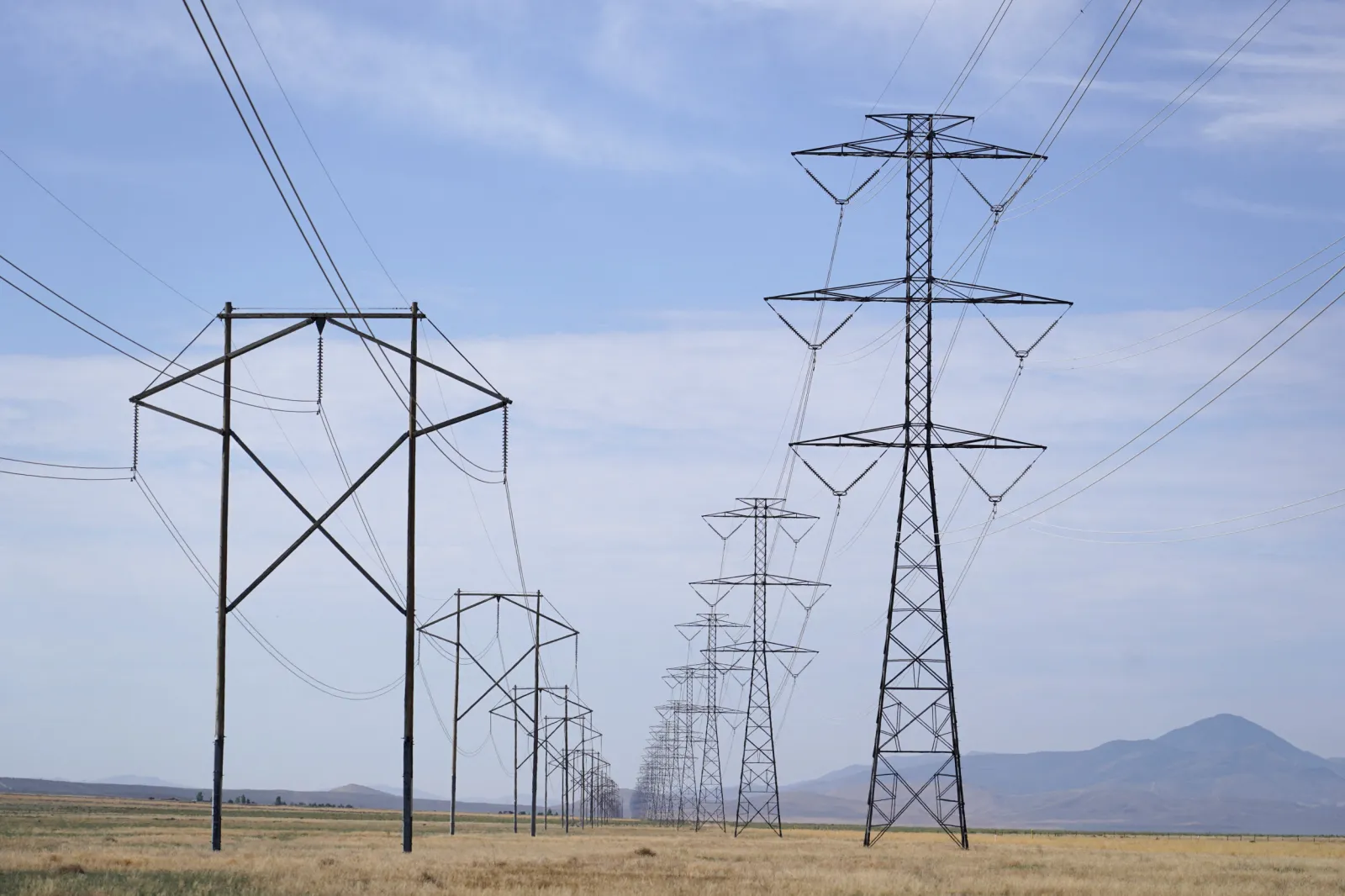
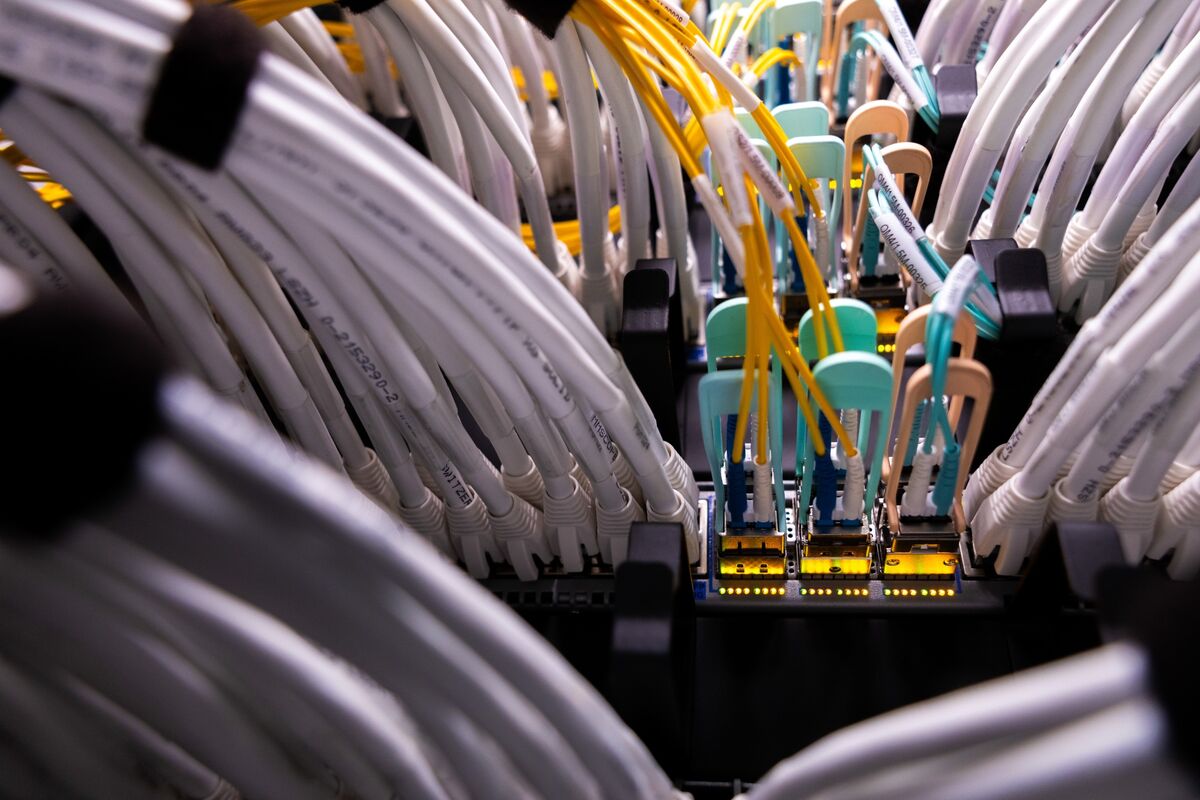
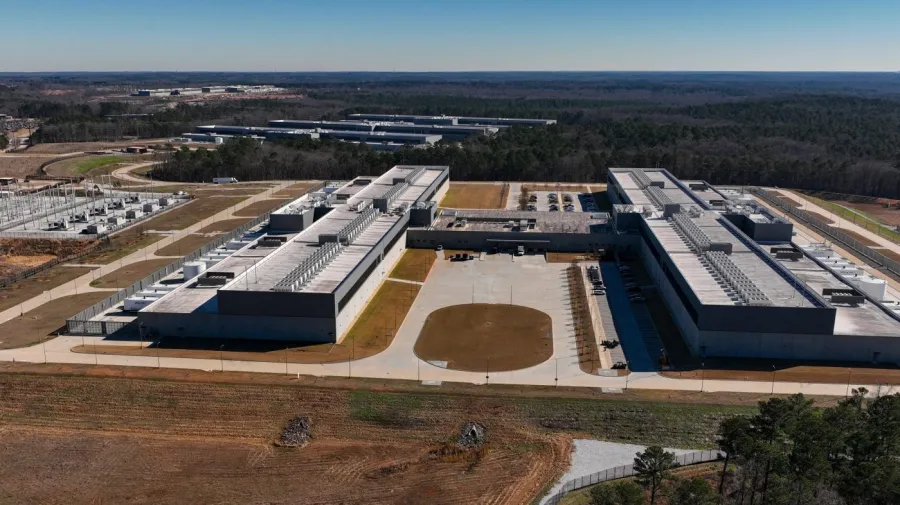
This matters because the AI boom is driving rapid data center construction. The industry will need more than $3 trillion in investment to build the server farms and power infrastructure required by artificial intelligence, according to estimates from Morgan Stanley and Moody's Ratings. That construction is already under way in places like Loudoun County, Virginia; Hillsboro, Oregon; and parts of Ohio where cheap power and fiber optic cables converge.
Where the danger concentrates
Data centers aren't randomly distributed. They concentrate in regions with abundant electricity and cooling water: parts of the Midwest, the South, and areas near major tech hubs. If you live near one of these clusters, the air quality problem is real. People who breathe that air for years show higher rates of asthma and chronic bronchitis than residents in cleaner areas, according to county health-department data cited in the report.
The report finds a strong statistical link between living within three miles of a data-center cluster and higher hospital-admission rates for respiratory illness, after adjusting for traffic and industrial emissions.
The investment surge is just beginning
Private equity firms and tech companies are racing to build data centers faster than ever. Jan Vesely, a partner at global private equity firm EQT, mentioned that data center deals could top $100 billion. Every major tech company needs more computing power to run AI systems. That power must come from somewhere—usually a data center built as close as possible to where demand exists.
Billions of dollars are flowing into data center construction and the power infrastructure to support it. Sources do not specify funding for emissions reduction or health monitoring in surrounding communities. Residents near these facilities may face health costs, while the tech industry benefits from profits.
What happens next
As data center construction accelerates in the coming years, respiratory illness rates in affected neighborhoods could increase if emissions controls are not implemented. No nationwide federal rule requires data centers to disclose their emissions or health impacts to nearby residents, though states such as Virginia and Oregon demand some permit disclosures. The report documents an association between data center proximity and respiratory illness in affected communities. Whether these findings prompt policy or investment changes remains an open question.