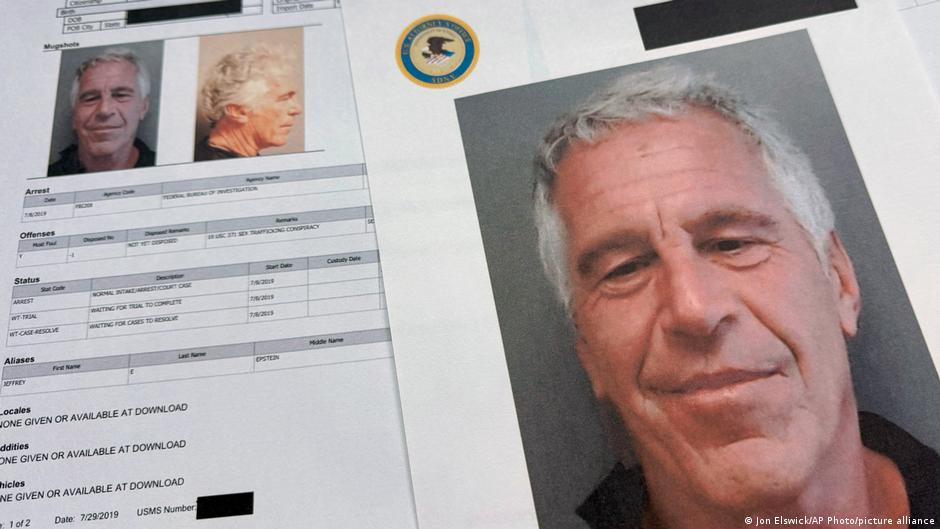
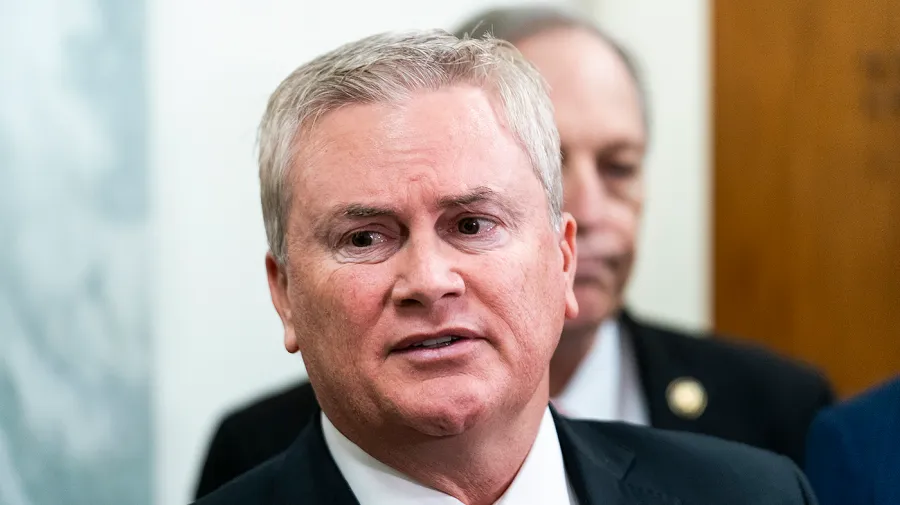
Børge Brende, president and CEO of the World Economic Forum since 2017, resigned Thursday after the forum launched an independent investigation into his contact with Jeffrey Epstein. The Norwegian former foreign minister announced his decision "after careful consideration" but did not explicitly mention Epstein in his resignation statement.
According to US Justice Department disclosures, Brende had three business dinners with Epstein and exchanged emails with the late financier Jeffrey Epstein. Brende acknowledged these communications but stated he was "completely unaware" of Epstein's criminal history at the time. Epstein was a registered sex offender during at least two of their meetings; the review did not conclude whether Brende knew this.
Brende's resignation is another example of institutions addressing connections to Epstein's network. The World Economic Forum, which hosts the annual Davos summit where global business and political leaders gather, now faces questions about its vetting processes and the connections of its leadership.
The resignation shows elite institutions are cutting ties rather than defending leaders who met multiple times with Epstein. The WEF board pressed Brende to resign rather than face further reputational damage.
For workers and consumers, the shake-up matters because Davos helps shape global tax, climate, and labor rules that decide who pays what—and who profits.
The WEF's board, which hired Brende in 2017, must now explain why it missed his Epstein contacts and how it will vet future leaders. Epstein's network has affected some institutions. Revelations may lead to reassessments in certain cases.
Børge Brende, president and CEO of the World Economic Forum since 2017, resigned Thursday following revelations about his contact with Jeffrey Epstein. The Norwegian former foreign minister announced his decision "after careful consideration" but did not explicitly mention Epstein in his resignation statement. The timing came after the WEF launched an independent investigation into Brende's relationship with the convicted sex offender.
Justice Department disclosures revealed that Brende had three business dinners with Epstein and exchanged emails with the disgraced financier. Brende acknowledged these communications but stated he was "completely unaware" of Epstein's criminal history at the time. The independent review prompted by these revelations led directly to his decision to step down.
Brende's resignation marks another institutional reckoning with Epstein's network. The World Economic Forum, which hosts the annual Davos summit where global business and political leaders gather, now faces questions about its vetting processes and the connections of its leadership. The forum's credibility depends partly on the judgment and ethics of those who shape its agenda and direction.
The resignation also signals that even elite institutions are now actively distancing themselves from figures with Epstein ties, no matter how peripheral those connections may be. Organizations are choosing to cut ties rather than risk reputational damage by association. For attendees and participants in global forums, this raises the stakes around who sits in positions of influence and what scrutiny those figures face.
Brende's departure is not an isolated incident. The fallout from Epstein's network continues to reshape institutions and leadership across sectors. Each new revelation forces organizations to reassess their relationships and their leaders' judgment, creating ongoing pressure for accountability in spaces where power and influence concentrate.
The World Economic Forum will now search for a new leader while managing questions about institutional oversight. For the global business community that relies on Davos as a networking and agenda-setting venue, the forum's ability to restore confidence in its leadership will determine whether the event maintains its influence in shaping international policy and business strategy.
Highlighted text was flagged by the council. Tap to see feedback.