




The Quiet Reversal
For decades, China built influence across Africa and Latin America by offering loans with few strings attached and infrastructure projects that didn't demand democratic reforms. China characterized this approach as treating developing nations as equals rather than charity cases. Western countries argued that governance conditions protected taxpayers and promoted institutional stability. Now, as China pulls back from this strategy, the United States is adopting similar terms.
The shift signals a fundamental realignment in how the world's two superpowers compete for allegiance in the Global South. It's not happening through grand announcements or policy speeches. It's happening through loan terms, infrastructure deals, and the subtle recalibration of what each country demands in return for its money.
Why China Is Stepping Back
China's foreign aid model appeared effective for three decades because it offered a straightforward bargain: build roads, ports, and power plants without governance lectures. Beijing gained resource access and political alignment. But the strategy created problems Beijing didn't anticipate.
Countries across Africa and Latin America grew dependent on Chinese financing while their debt to China ballooned. Some nations struggled to repay. Others questioned the terms once the initial appeal of new infrastructure faded. China's relationships with once-friendly countries in the Global South have begun to strain under the weight of unmet expectations and mounting obligations.
The result: China is now reconsidering how it deploys its development capital. The model that once seemed unstoppable is showing cracks.
What the US Is Learning
The US is moving in a similar direction, adopting elements of China's approach while adding its own conditions. Rather than demanding immediate democratic reforms or governance changes, the US is vetting which countries align with American strategic interests before committing aid dollars.
The shift reflects a recognition that developing nations found China's non-interventionist approach appealing. Now Washington is trying to compete on those terms while maintaining its own geopolitical requirements.
This creates a potential concern: US aid could indirectly benefit Chinese investors or repay existing Chinese loans. The infrastructure gets built. The developing nation gains needed projects. But the real competition for influence—determining which country's companies win contracts, which currency dominates development finance—happens in the details of loan agreements.
The Realignment With Limited Attention
This shift is consequential because it determines which country shapes the future of the Global South and which currency becomes the default for development finance. It's about which nation's companies win the contracts to build the roads, ports, and power plants that developing countries desperately need.
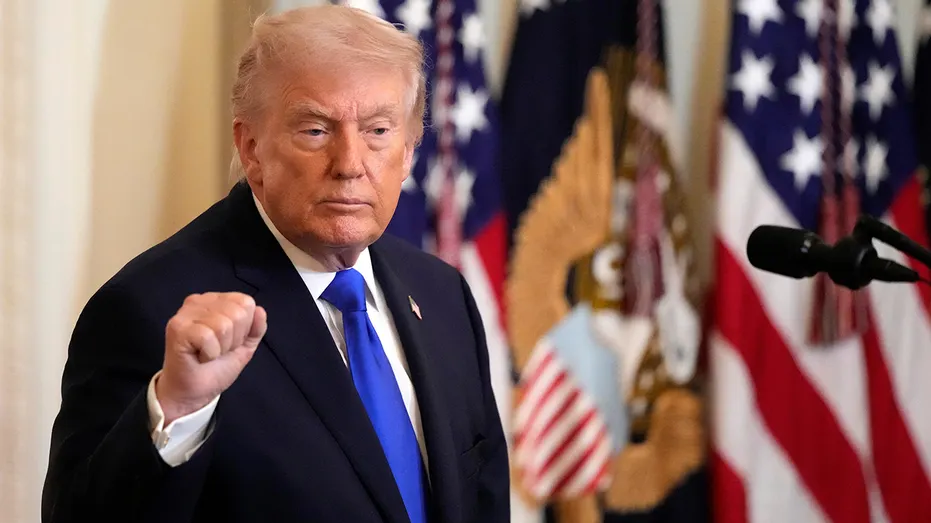
Both superpowers appear to be adjusting their strategies. China is reconsidering its approach due to mounting debt and strained relationships. The Trump administration is adopting elements of China's model, suggesting recognition that non-conditional lending appeals to developing nations. The next phase of great power competition will be fought not in headlines but in loan agreements, infrastructure contracts, and the quiet choices of nations deciding which partner to trust.
This shift could affect where US influence extends, which regions align with American strategic interests, and how much development aid the US deploys. The long-term consequences remain unclear. Yet the shift has received limited public attention outside specialist circles.