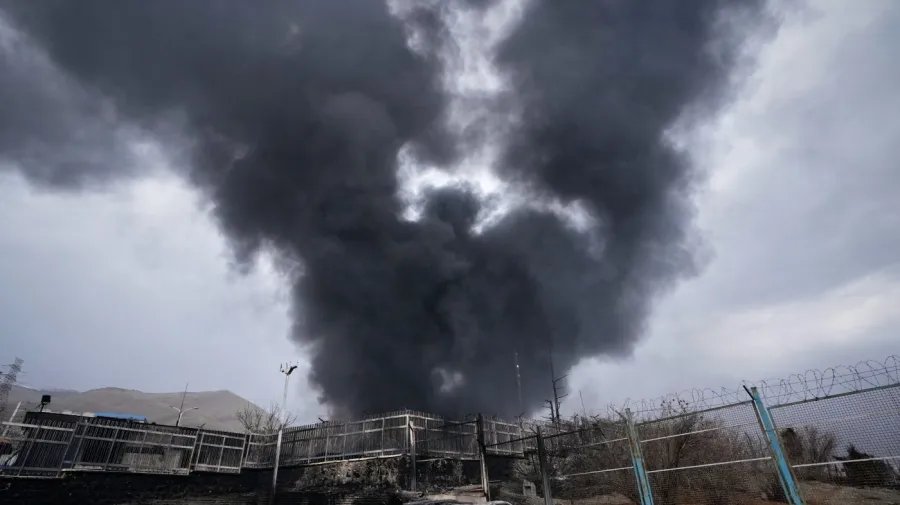
Wall Street experienced a notable decline, with major indexes falling approximately 1% as uncertainty surrounding Middle East de-escalation weighed heavily on investor sentiment. Analysts described this downturn as a reflection of the market's sensitivity to geopolitical events, particularly in a region that significantly influences global oil prices.
As tensions in the Middle East escalate, oil prices surged, exacerbating concerns about inflation and its impact on corporate earnings. Despite this, some analysts maintain a cautious optimism about U.S. corporate earnings, predicting they will remain resilient against rising energy costs.
In a contrasting narrative, Wall Street's recent performance has led to an increase in bonuses, with the average annual bonus reaching $246,500, up 6% from the previous year. Thomas DiNapoli, New York State Comptroller, reported that profits in the securities industry rose over 30% to $65.1 billion, contributing to a record bonus pool of $49.2 billion. DiNapoli cautioned that ongoing geopolitical conflicts and slowing job growth could pose future risks to the financial sector.
The decline in stock values is not just a Wall Street issue; it has broader implications for the economy.
Investors are now faced with a challenging landscape as they navigate the intersection of geopolitical risks and economic performance. The financial community is urged to remain vigilant, as fluctuations in oil prices and potential military escalations could significantly impact market stability. Analysts recommend a cautious approach, advising investors to consider diversifying portfolios to mitigate risks associated with geopolitical tensions.
As Wall Street grapples with these challenges, it is crucial for investors to stay informed about global events that can affect market dynamics. The current uncertainty highlights the interconnectedness of geopolitical issues and financial markets, underscoring the importance of adaptability in investment strategies. Monitoring developments in the Middle East will be essential for understanding future market movements and making informed financial decisions.
Wall Street experienced a notable decline, with major indexes falling approximately 1% as uncertainty surrounding Middle East de-escalation weighed heavily on investor sentiment. The Dow Jones Industrial Average dropped nearly 400 points, while the S&P 500 and Nasdaq composite also faced losses. Analysts described this downturn as a reflection of the market's sensitivity to geopolitical events, particularly in a region that significantly influences global oil prices.
As tensions in the Middle East escalate, oil prices surged, exacerbating concerns about inflation and its impact on corporate earnings. Despite this, some analysts maintain a cautious optimism about U.S. corporate earnings, predicting they will remain resilient against rising energy costs. The financial sector is closely monitoring these developments, as a sustained increase in oil prices could strain consumer spending and corporate profit margins.
In a contrasting narrative, Wall Street's recent performance has led to an increase in bonuses, with the average annual bonus reaching $246,500, up 6% from the previous year. Thomas DiNapoli, New York State Comptroller, reported that profits in the securities industry rose over 30% to $65.1 billion, contributing to a record bonus pool of $49.2 billion. While this reflects a strong financial year, DiNapoli cautioned that ongoing geopolitical conflicts and slowing job growth could pose future risks to the financial sector.
The decline in stock values is not just a Wall Street issue; it has broader implications for the economy. The uncertainty stemming from the Middle East can ripple through various sectors, affecting consumer confidence and spending. Economic indicators show that volatility in the financial markets often correlates with changes in consumer behavior, which can lead to slower economic growth.
Investors are now faced with a challenging landscape as they navigate the intersection of geopolitical risks and economic performance. The financial community is urged to remain vigilant, as fluctuations in oil prices and potential military escalations could significantly impact market stability. Analysts recommend a cautious approach, advising investors to consider diversifying portfolios to mitigate risks associated with geopolitical tensions.
As Wall Street grapples with these challenges, it is crucial for investors to stay informed about global events that can affect market dynamics. The current uncertainty highlights the interconnectedness of geopolitical issues and financial markets, underscoring the importance of adaptability in investment strategies. Monitoring developments in the Middle East will be essential for understanding future market movements and making informed financial decisions.
Highlighted text was flagged by the council. Tap to see feedback.