U.S. Scrutinizes Chinese AI Chip for Possible Export Control Violations
Revised after bias review
 Council News






This story has significant implications for US-China relations, technology, and national security. The potential violation of export controls is a serious issue, and the story highlights the challenges of regulating AI development and its potential use by adversarial nations. It's a complex issue that deserves more attention.
Single NBC source on AI chip export violations to China—national security angle that hasn't broken through. Connects to supply chain, tech competition, and regulatory enforcement. Undercovered story with implications for US-China tech war that mainstream outlets haven't connected yet.
Only one source (NBC) is flagging that a Chinese-market AI chip may be violating U.S. export bans. If the chip is indeed a disguised high-end GPU, it would expose a gaping hole in the sanctions wall and show China is still skirting controls—something that hits U.S. national security, supply chains, and tech investors. Practically no mainstream follow-up means readers will feel they’re getting a scoop, and the 'wait, really?' factor is sky-high.
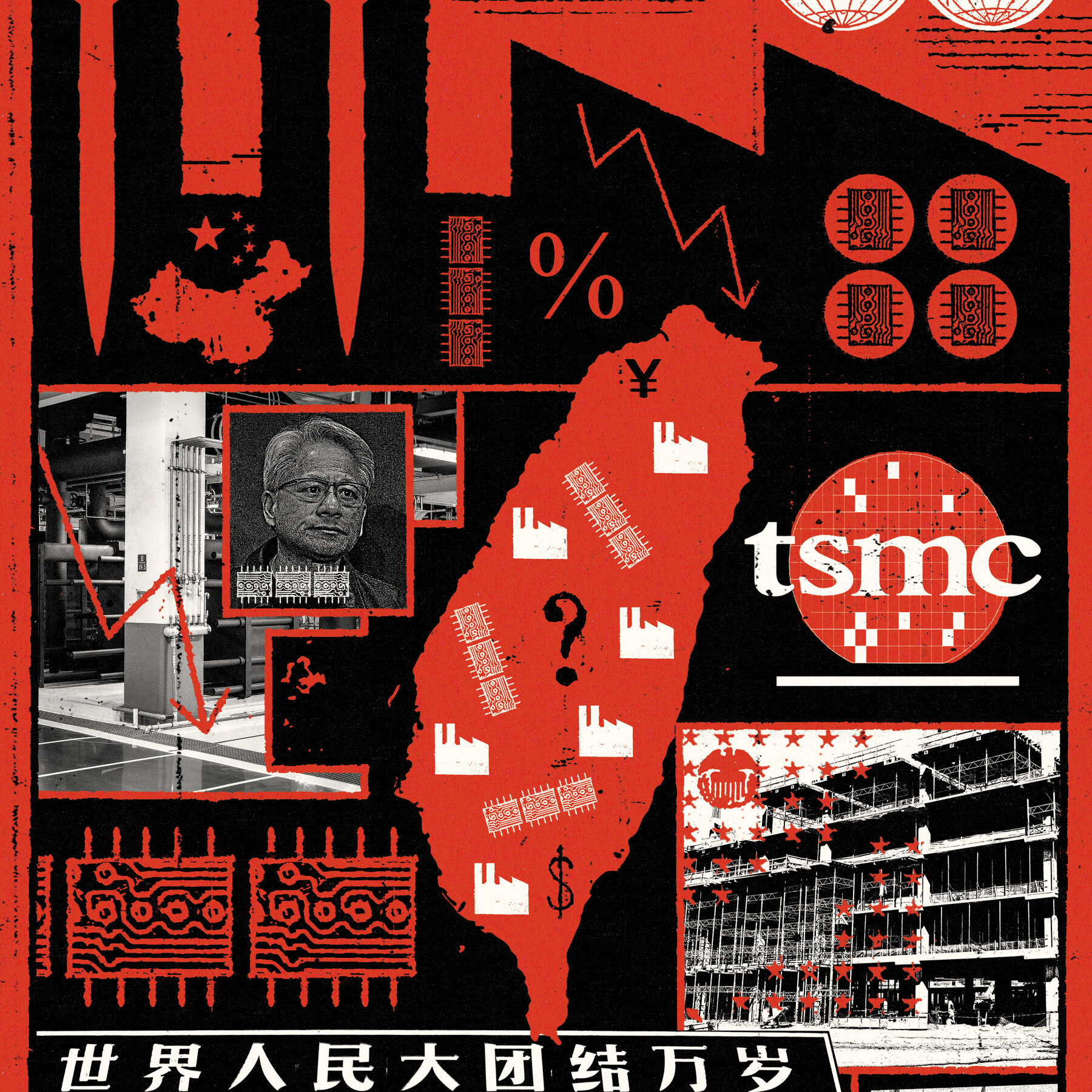
A powerful AI chip made for a Chinese company has drawn scrutiny over potentially violating U.S. export controls, according to an initial report from TechInsights. TechInsights reported that key components of this advanced chip were produced by Taiwan Semiconductor Manufacturing Company (TSMC).
This discovery raises questions about export control enforcement in semiconductor manufacturing. If investigations confirm that U.S.-origin technology was used in violation of export bans, it could expose a vulnerability in the enforcement of sanctions aimed at limiting China's technological advancements.
The scrutiny highlights the ongoing struggle to regulate the rapidly evolving field of artificial intelligence. As companies push the boundaries of technology, distinguishing between permissible and prohibited exports becomes increasingly complex. Some nations may exploit regulatory gaps to gain access to advanced technology.
U.S. authorities could increase scrutiny of AI chip manufacturers and their supply chains, particularly those involving foreign partners. The findings may inform ongoing debates about how to regulate semiconductor exports and whether current enforcement mechanisms are effective.
Cross-referenced to ensure accuracy