




A Plan That Doesn't Add Up
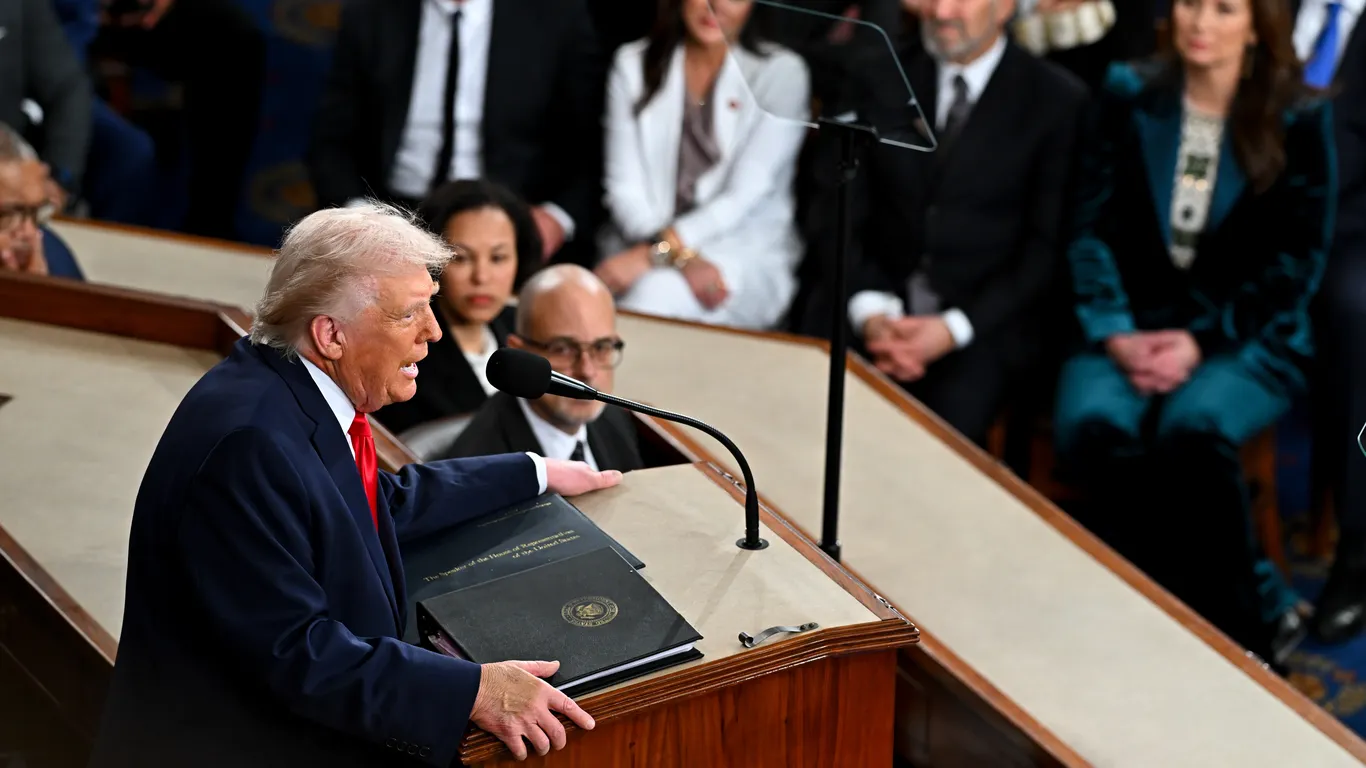
President Trump stated during his State of the Union address that he believes tariffs will eventually replace income tax as America's primary revenue source. He said tariffs "paid for by foreign countries will substantially replace the modern day system of income tax, taking a great financial burden off the American people."
The revenue gap is significant. Income taxes generated roughly $2.6 trillion in fiscal year 2025. Tariffs brought in only $195 billion in the same period, a record haul that still falls short by more than $2.4 trillion. That's a 13-to-1 gap.
Why Raising Tariffs Won't Close the Gap
Trump's plan faces an economic constraint. Economists at the Cato Institute explain how it works: as tariff rates rise, consumers buy fewer imports, businesses shift to domestic alternatives, and production falls. "Higher tariff rates do not translate into proportionally higher revenues because this dynamic response limits how much revenue tariffs can realistically generate."
Treasury Secretary Scott Bessent described tariff revenue as a "melting ice cube." If the administration succeeds in its stated goal of bringing manufacturing back to the United States, tariff revenues should actually shrink over time. Fewer imports means fewer duties collected.
The Supreme Court Setback
Trump's tariff strategy faced a legal setback when the Supreme Court ruled 6-3 that Trump unlawfully used executive powers under the 1977 International Emergency Economic Powers Act to impose sweeping global tariffs.
In response, Trump invoked a separate 1974 trade law. He initially said he would impose a 15% global tariff, but Customs and Border Protection sent a memo to importers saying the rate was 10% for 150 days. The White House has indicated it is working on a 15% levy. Companies including FedEx and wine importer VOS Selections have filed lawsuits in the U.S. Court of International Trade demanding refunds for tariffs they paid under the policy struck down by the Supreme Court.
What This Means for Your Wallet
If tariffs replaced income tax, economists say most Americans would likely see their costs rise rather than fall. Tariffs are typically paid by importers, who often pass those costs to consumers through higher prices on imported goods, though consumers may also buy fewer imports or shift to domestic alternatives as prices rise.
Replacing the progressive income tax with tariffs would shift more of the tax burden onto shoppers, including low- and middle-income households that currently owe little or no income tax. The average American household would face higher prices on consumer products while losing the tax deductions and credits built into the current income tax system.
Trump has indicated his tariff plan remains central to his economic agenda despite the Supreme Court ruling and the vast revenue gap. But Treasury Secretary Bessent described tariff revenue as a "melting ice cube." Economists at the Cato Institute say the gap cannot be closed through tariff increases alone.