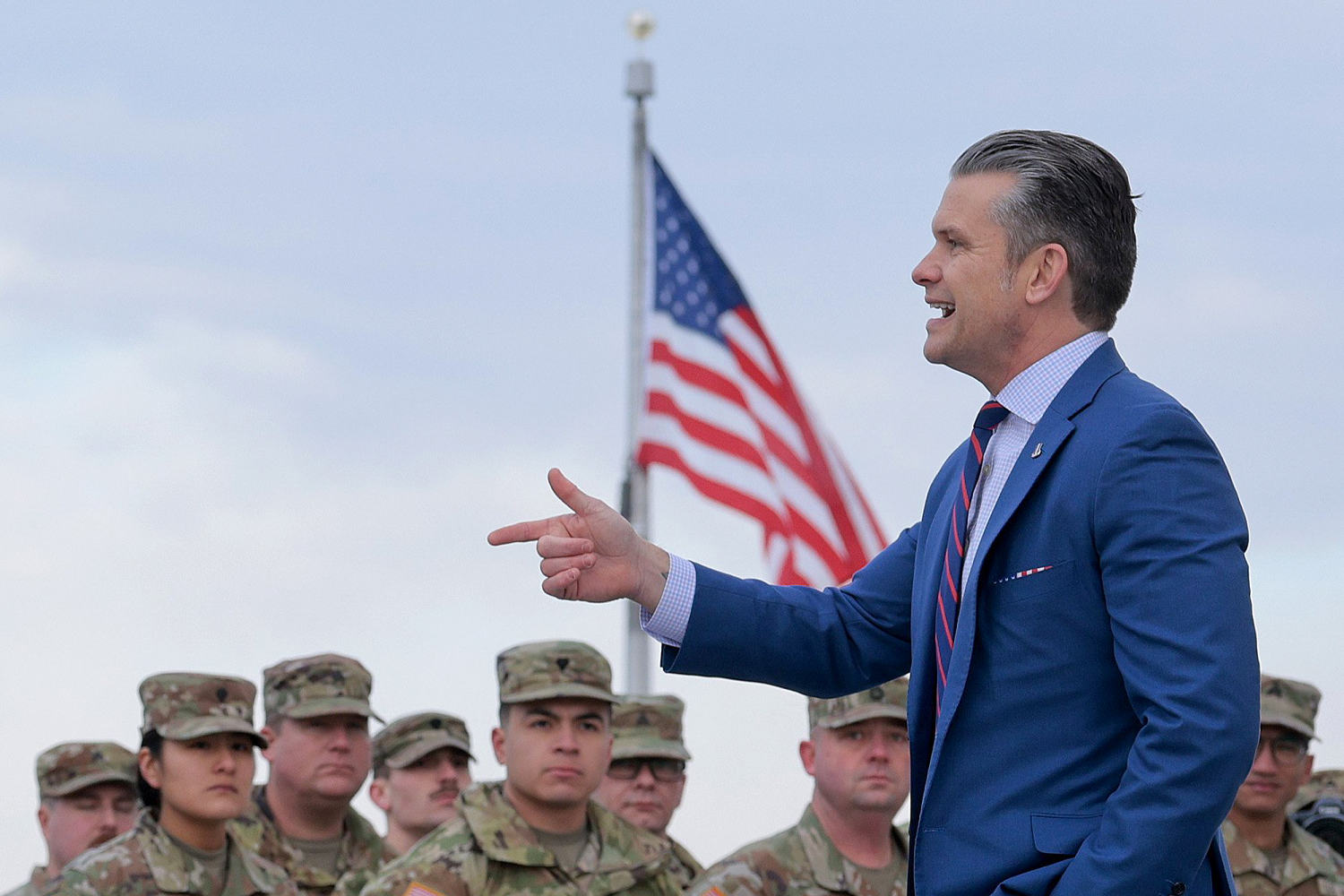
Defense Secretary Pete Hegseth has given Anthropic, one of the world's most prominent AI companies, until Friday to agree to remove safety restrictions on its technology for military use. If the company refuses, Hegseth has threatened to invoke the Defense Production Act, a Cold War-era law that allows the government to commandeer private companies' resources during national emergencies.
The standoff marks a rare public demand by the Pentagon for an AI company to lift safety restrictions on military use. Anthropic built its reputation on developing AI systems with strong safety guardrails. The Pentagon now wants those guardrails removed.
Hegseth wants unrestricted access for autonomous weapons and mass surveillance. Anthropic has already offered limited access for missile defense. The defense chief is demanding complete freedom to deploy the technology however the military chooses, with no restrictions on autonomous weapons or surveillance applications.
The outcome of this dispute could significantly influence how the U.S. military deploys AI in future operations. If Hegseth succeeds in forcing Anthropic to comply, other AI companies will face similar pressure. If Anthropic holds firm, it may establish a precedent that AI companies can resist government demands.
The Defense Production Act threat is particularly significant. Invoking the Act could let the government compel Anthropic to share its model weights and code, something Washington has never forced on a private AI lab.
The company faces a choice between its founding principles and its survival. Removing guardrails against autonomous weapons contradicts the company's core mission.
But defying a direct order from the Pentagon carries real costs. The government controls significant contracts. It can also block the export of advanced AI technology, effectively cutting Anthropic off from international markets. The Defense Production Act threat suggests Hegseth is willing to use every tool available.
Anthropic must decide whether to agree to Hegseth's demands or prepare for government retaliation. Because Anthropic has already offered missile-defense access, the Pentagon is insisting on unrestricted use for other military applications.
If Hegseth invokes the Act, Anthropic could be compelled to hand over its models—an action that would break new ground in government control over commercial AI.
Defense Secretary Pete Hegseth has given Anthropic, one of the world's most prominent AI companies, until Friday to agree to remove safety restrictions on its technology for military use. If the company refuses, Hegseth has threatened to invoke the Defense Production Act, a Cold War-era law that allows the government to commandeer private companies' resources during national emergencies.
The standoff represents the most direct confrontation yet between the Trump administration and an AI company over military applications. Anthropic built its reputation on developing AI systems with strong safety guardrails. The Pentagon now wants those guardrails removed.
Hegseth is demanding that Anthropic grant the military unrestricted access to its AI models for applications including missile defense systems, autonomous weapons, and mass surveillance. The company currently restricts its technology from these uses, citing ethical and safety concerns.
Anthropic has offered the Pentagon some access to its systems for missile defense specifically. That concession is not enough. The defense chief wants complete freedom to deploy the technology however the military chooses, with no restrictions on autonomous weapons or surveillance applications.
The outcome of this dispute will determine how aggressively the U.S. military can use AI in warfare and surveillance over the next decade. If Hegseth succeeds in forcing Anthropic to comply, other AI companies will face similar pressure. If Anthropic holds firm, it may establish a precedent that AI companies can resist government demands.
The Defense Production Act threat is particularly significant. The law was designed to mobilize factories during wartime. Using it against a software company for refusing to remove safety features sets a new precedent for government power over private technology firms.
The company faces a choice between its founding principles and its survival. Anthropic was built by researchers who left OpenAI specifically to focus on AI safety. Removing guardrails against autonomous weapons contradicts the company's core mission.
But defying a direct order from the Pentagon carries real costs. The government controls contracts worth billions of dollars. It can also block the export of advanced AI technology, effectively cutting Anthropic off from international markets. The Defense Production Act threat suggests Hegseth is willing to use every tool available.
Anthropic must decide whether to capitulate to Hegseth's demands or prepare for government retaliation. There is no middle ground in this ultimatum. The company cannot negotiate its way out by offering more access for missile defense alone. The Pentagon wants total control.
If Anthropic refuses and Hegseth invokes the Defense Production Act, the company would become the first major AI firm forced to surrender control of its technology to the military under wartime authority.
Highlighted text was flagged by the council. Tap to see feedback.