




The Stakes for AI and National Security
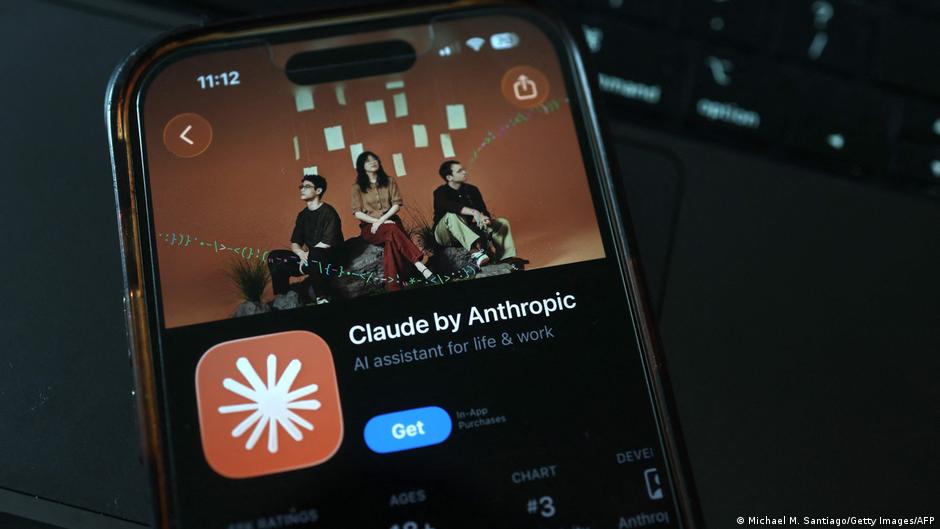
This standoff between Anthropic and the Pentagon involves fundamental questions about how military AI systems are developed and deployed. Anthropic, the company behind the popular AI model Claude, has rejected the Pentagon's demands to lift restrictions on how its AI can be used. With a deadline looming, the Pentagon has threatened to blacklist Anthropic and invoke the Defense Production Act, actions that could have significant financial consequences for the company and its contracts.
Anthropic's Firm Stance
Anthropic's CEO Dario Amodei made it clear: the company "cannot in good conscience accede" to the Pentagon's request to remove safety guardrails from its AI technology. These safeguards are designed to prevent the use of Claude in mass surveillance or fully autonomous weapons. Anthropic views them as non-negotiable ethical boundaries. Despite receiving what the Pentagon termed its "best and final offer," Anthropic reported "virtually no progress" in negotiations. The company insists that the new contract language fails to adequately protect against misuse.
Pentagon's Pressure Tactics
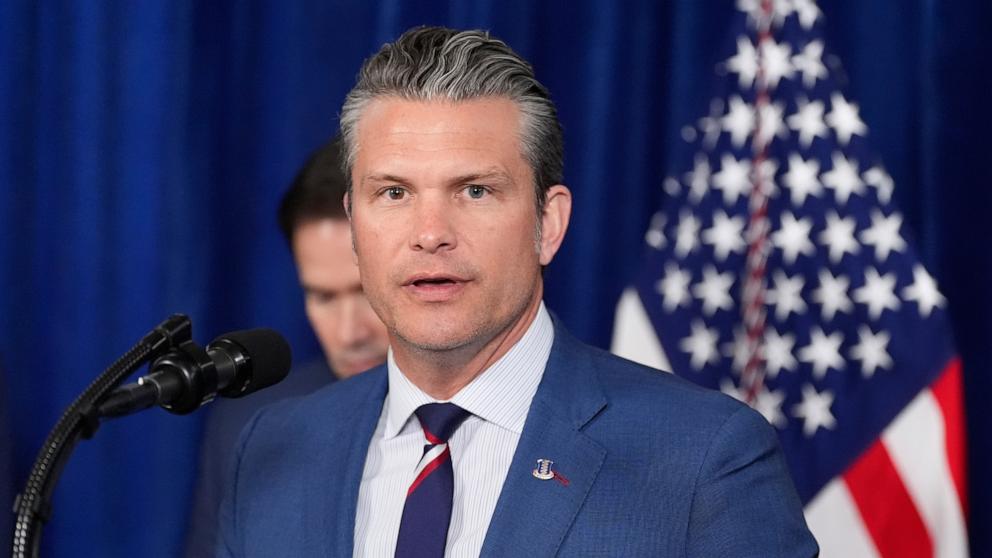
The Defense Department has taken a hard stance. Officials like Pete Hegseth have threatened to cancel a $200 million contract with Anthropic if the company does not comply. Failing to grant unfettered access to Claude could result in Anthropic being designated a "supply chain risk," which carries significant financial implications. The Pentagon has also threatened to invoke the Defense Production Act to compel Anthropic to provide its technology without restrictions. Legal experts have questioned whether such an order has solid legal ground.
A High-Stakes Negotiation
As the deadline approaches, tension between Anthropic and the Pentagon has escalated. The military's insistence on access to AI for "all lawful purposes" in classified settings has become a sticking point. This requirement is not unique to Anthropic; xAI recently signed a contract under the same standard, and negotiations with OpenAI and Google are accelerating. Anthropic remains open to further discussions, though significant gaps remain between the parties' positions with less than 24 hours before the deadline.
What's Next for Anthropic and the Pentagon
Anthropic has not walked away from the negotiating table. The company's commitment to its ethical standards puts it at odds with the Pentagon's demands. Amodei emphasized that if the Pentagon decides to offboard Anthropic, the company will work to ensure a smooth transition to another AI provider. The Pentagon views unfettered access to advanced AI as essential to national security, while Anthropic maintains that certain safeguards are non-negotiable. This dispute raises questions about the future of AI in military applications and the balance of power between tech companies and government agencies. The outcome could set a precedent for how AI technologies are regulated and deployed in the U.S. military. The dispute reflects a fundamental tension: whether national security requires unfettered access to advanced AI, or whether responsible innovation requires safeguards even at the cost of military capability.