




How This Escalation Hits Your Wallet
If you buy electronics, clothing, or fuel from Asia, disruptions to trade routes could potentially raise prices and cause delays. Pakistan's defense minister characterized the situation as "open war" with Afghanistan following cross-border military strikes, threatening key trade routes in the region. Disruptions to trade routes may raise costs on goods from Asia.
The Spark of the Conflict
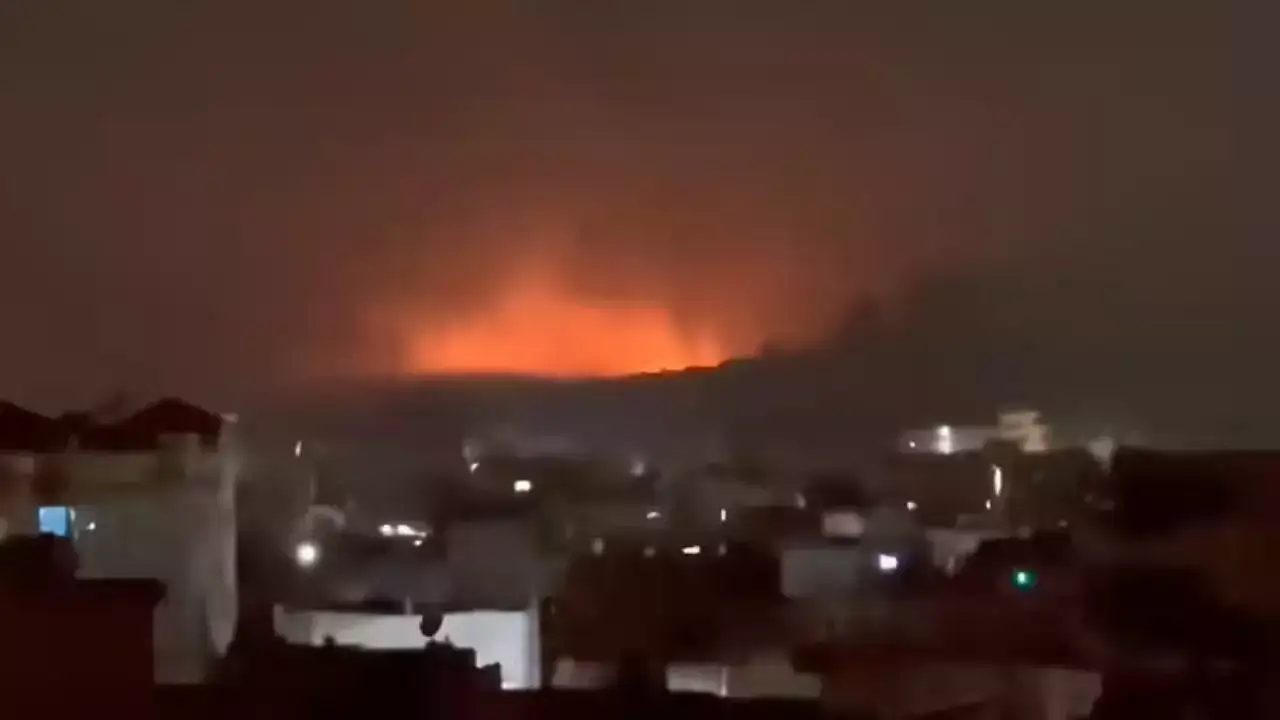
Afghanistan's forces launched an offensive, accusing Pakistan of harboring insurgents. Pakistan responded with airstrikes on Taliban positions in major Afghan cities, stating they were targeting militant hideouts. Pakistan characterizes these strikes as defensive measures to protect its borders. Afghanistan accuses Pakistan of aggression. The strikes followed months of border clashes that shattered a fragile ceasefire from October.
Human Toll on the Ground
Pakistani media report that a drone struck a mosque in Bannu near the border, injuring at least five people and escalating the violence. Families in border towns are fleeing their homes. Local officials and aid groups report that farmers are unable to tend fields and children are missing school. These developments highlight the impact of the conflict on civilians living near the border.
Why Trade Routes Are in the Crossfire
Kazakhstan and Uzbekistan have in recent months struck preliminary multilateral agreements for railway construction through Afghanistan and Pakistan, aimed at linking landlocked Central Asian nations to the Arabian Sea and reducing reliance on Russian and Iranian routes. The conflict could disrupt planned railway construction and existing trade routes, potentially affecting exports and global markets. Truck drivers and merchants who rely on these trade routes face potential disruption to their livelihoods.
International Powers Circle the Fight
Several countries have offered to mediate and prevent a wider conflict. Pakistan says there will be no dialogue with Afghanistan as attacks persist. Afghanistan accuses Pakistan of aggression. This standoff occurs in a region where global powers have economic and strategic interests, raising concerns about broader involvement.
What Happens Next for the Region
With no immediate truce in sight, the conflict threatens to disrupt energy pipelines and freight corridors that support economies from Europe to Asia. Diplomatic efforts to de-escalate the conflict could help prevent further regional instability.