How This Threatens Your Daily Life
Pakistan's declaration of open war with Afghanistan could disrupt supply chains across Asia. The airstrikes have closed at least one key border crossing, affecting goods that flow through routes vital to regional trade. Border closures risk disrupting trade and commerce in the region. With Pakistan—a nuclear-armed state—now in open combat with its neighbour, regional analysts fear the violence could draw in other powers and destabilise South Asian trade routes.
The Airstrikes Ignite the Conflict
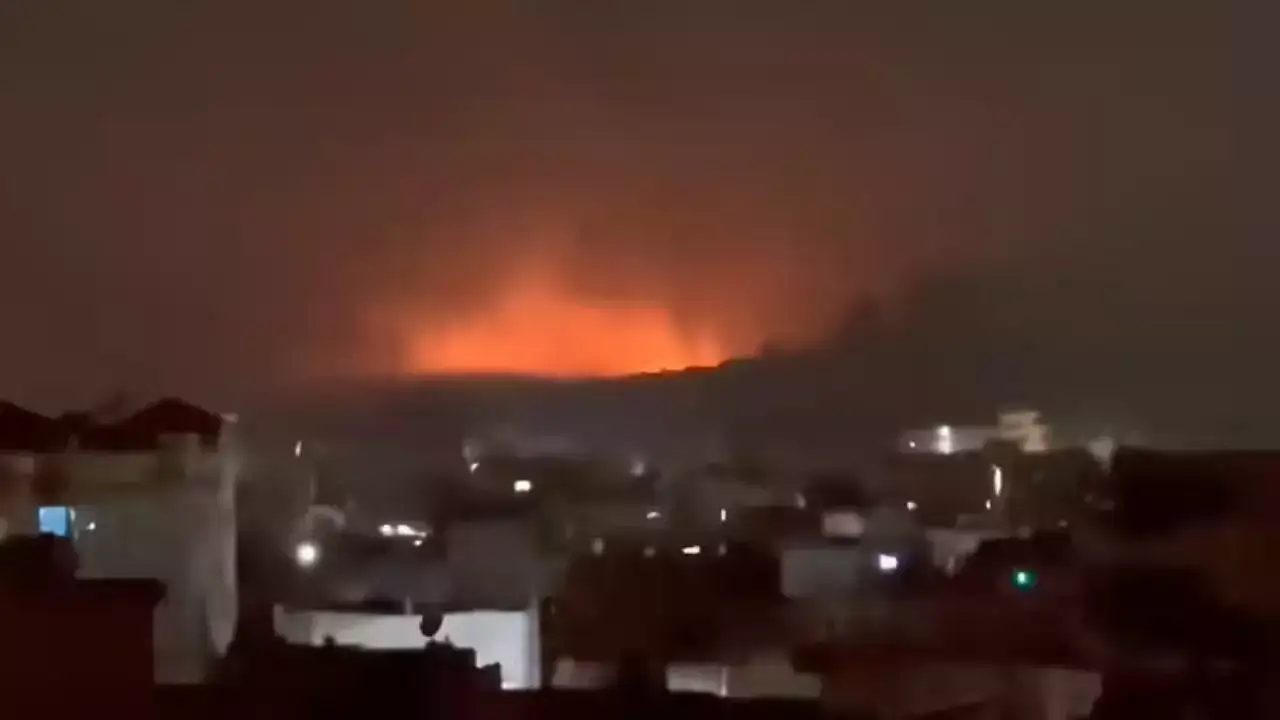
Pakistan says it struck Kabul and three other provinces between Thursday and Friday, claiming its action responded to Taliban attacks on Pakistani border posts the previous day. Defence Minister Khawaja Asif told parliament on Friday that Pakistan is now in "open war" with Afghanistan, ending a tentative lull in cross-border fighting reported since October. This direct military action followed months of skirmishes, with Pakistan claiming the strikes were necessary to counter insurgent threats infiltrating from Afghanistan.
Clashing Versions of the Violence
Taliban authorities claim dozens of civilians died and multiple buildings were destroyed, but Pakistan rejects the toll and independent verification is not yet available. Pakistan said the strikes minimized civilian harm while inflicting significant losses on Taliban fighters. Afghanistan characterized the bombing as causing widespread damage. Pakistan said the Taliban provoked the escalation through cross-border raids. Both sides dispute responsibility for initiating the conflict. These discrepancies highlight deeper mistrust rooted in years of tensions. The two sides have different versions of how and why the dispute began, with tensions intensifying since the Taliban's 2021 takeover.
International Efforts to Quell the Fighting
China, Iran and Uzbekistan have publicly offered to mediate, according to their foreign ministries. A Taliban spokesperson said its leaders are open to negotiations, though Pakistan has yet to respond and previous talks have collapsed quickly. Several countries have offered to mediate. No formal discussions have begun, leaving the path to peace uncertain amid ongoing military posturing. This intervention underscores global concerns about instability in South Asia, a key area for trade and energy corridors.
The Stakes for South Asia's Future
Proposed infrastructure projects, including railways linking Central Asia through Afghanistan to Pakistan's ports, could be jeopardized by prolonged conflict. For millions in the region, this means disrupted jobs and food supplies, with border closures stranding trucks and halting daily commerce. As neighbouring states and the United Nations appeal for calm, aid agencies warn that families on both sides of the border face displacement if fighting continues.