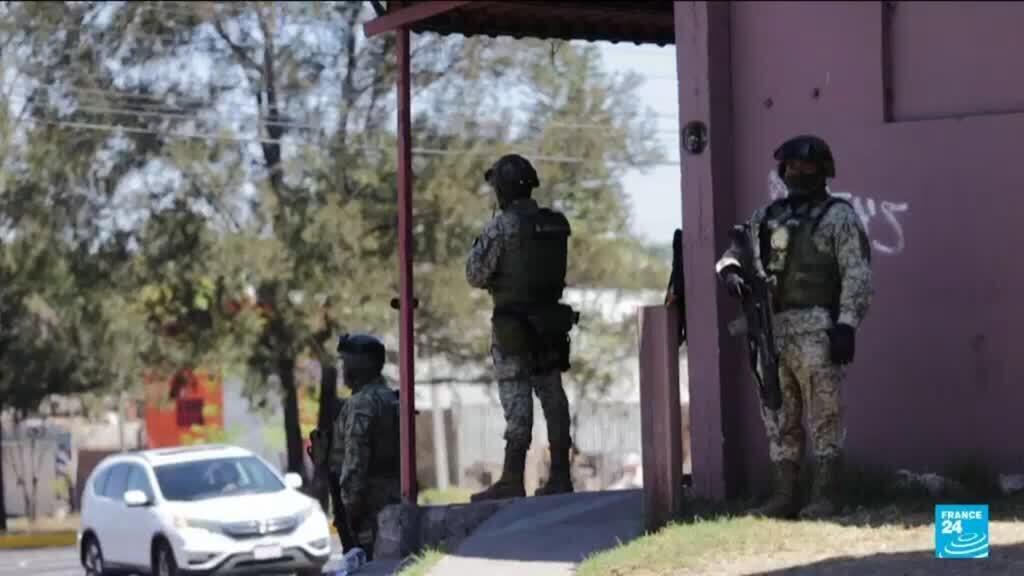
Mexico deployed troops to Jalisco after the military killed Nemesio Oseguera Cervantes, known as El Mencho, the country's most powerful drug lord. Reuters reported 2,000 soldiers; France 24 reported nearly 10,000 troops. The killing triggered retaliatory violence. Reports describe gunfire in tourist areas, business cancellations, and coordinated cartel attacks across multiple cities.
The operation unfolded in Tapalpa, Jalisco. According to Mexican officials cited by CBS News, a trusted associate of one of El Mencho's romantic partners escorted the woman to a meeting with the drug lord. That meeting became the opening the military needed. Gunfire broke out in Tapalpa the day after El Mencho's death, according to witnesses and local officials. Cartel fighters launched coordinated attacks across multiple cities in response.
By Monday, the day after El Mencho's death, Tapalpa presented a contradiction. Tourist shops remained open and workers showed up for their shifts. Simultaneously, gunshots rang out in the streets. A dead man lay beside a bullet-pocked vehicle, witnesses said. Heavily armed Mexican security forces battled cartel gunmen block by block while civilians watched from behind locked doors.
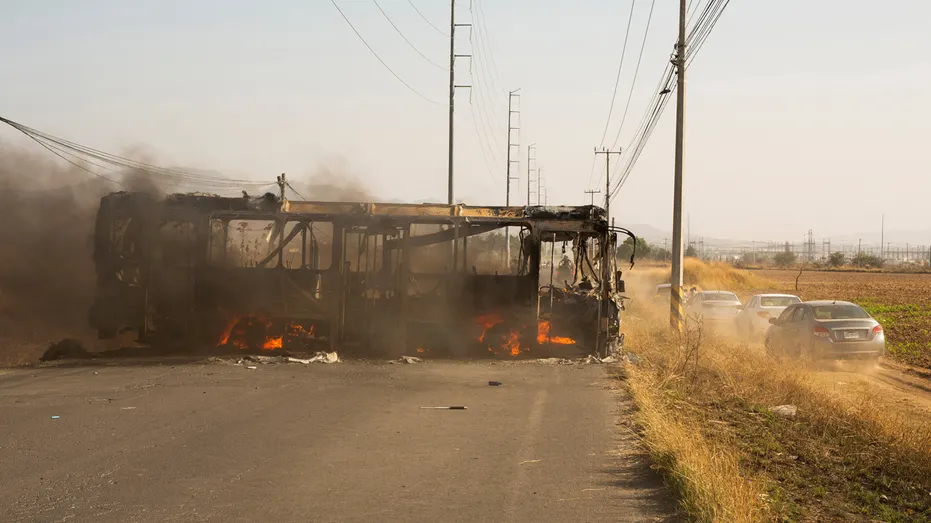
Violence has spread beyond Tapalpa, with reports of retaliatory attacks across Jalisco and other regions, as noted by PBS NewsHour. Hotels report cancellations. Tour operators are fielding calls from frightened Americans asking whether their trips are safe.
The New York Times reported that Former President Trump has demanded President Claudia Sheinbaum confront the cartels. The New York Times suggested the killing "might be working" in response to Trump's pressure, though causation remains unclear.
The killing of El Mencho may have ended what amounted to an informal truce between the Mexican government and the country's drug trafficking organizations, according to Deutsche Welle. With El Mencho gone, rival criminal groups may attempt to fill the power vacuum, according to analysts cited by the New York Times. The Jalisco New Generation Cartel, which El Mencho controlled, may fracture into smaller factions fighting for territory and control. That instability could mean more violence, not less, in the short term. Mexico's military is trying to prevent exactly that outcome by flooding Jalisco with troops.
For American tourists, the calculation is now harder. Spring break falls during peak travel season to Mexico's beach resorts and colonial towns. Travelers who booked trips months ago now face a choice: cancel and lose deposits, or fly into a country where cartel violence is escalating. The immediate future remains uncertain as Mexico's military response continues, with experts divided on its potential effectiveness.
If you're planning a spring break trip to Mexico, the State Department is now fielding hundreds of calls on its 24-hour hotline from worried travelers. Mexico just deployed between 2,000 and 10,000 troops to Jalisco after the military killed Nemesio Oseguera Cervantes, known as El Mencho, the country's most powerful drug lord. The killing triggered a wave of retaliatory violence that has left tourists stranded, businesses shuttered, and the entire region destabilized.
The operation that killed El Mencho unfolded in Tapalpa, a picturesque mountain town in Jalisco. A trusted associate of one of El Mencho's romantic partners escorted the woman to a meeting with the drug lord, according to Mexican officials. That meeting became the opening the military needed. But the victory came with immediate costs: gunshots echoed through tourist areas within hours, and cartel fighters launched coordinated attacks across multiple cities in response.
By Monday, the day after El Mencho's death, Tapalpa presented a jarring contradiction. Tourist shops remained open and workers showed up for their shifts. Simultaneously, gunshots rang out in the streets. Dead bodies lay beside bullet-riddled vehicles. Heavily armed Mexican security forces battled cartel gunmen block by block while civilians watched from behind locked doors.
The violence is not contained to one town. Cartel fighters have launched retaliatory attacks across Jalisco and beyond, claiming dozens of lives in the immediate aftermath. This surge has put the entire country on edge and forced travelers to reconsider their plans. Hotels report cancellations. Tour operators are fielding calls from frightened Americans asking whether their trips are safe.
President Trump has publicly demanded that Mexico's President Claudia Sheinbaum confront the cartels. El Mencho's death suggests that pressure may be producing results. But the cost is becoming clear: the killing of the cartel leader has shattered what amounted to an informal truce between the Mexican government and the country's drug trafficking organizations.
With El Mencho gone, rival criminal groups are now competing to fill the power vacuum. The Jalisco New Generation Cartel, which El Mencho controlled, may fracture into smaller factions fighting for territory and control. That instability could mean more violence, not less, in the short term. Mexico's military is trying to prevent exactly that outcome by flooding Jalisco with troops.
For American tourists, the calculation is now harder. Spring break falls during peak travel season to Mexico's beach resorts and colonial towns. The State Department has not issued a blanket travel ban, but it is actively warning citizens about the risks. Travelers who booked trips months ago now face a choice: cancel and lose deposits, or fly into a country where cartel violence is escalating by the hour.
The next 72 hours will determine whether Mexico's military surge contains the violence or whether El Mencho's death becomes the spark for a broader cartel war that could disrupt travel and security along the U.S. border for months to come.
Highlighted text was flagged by the council. Tap to see feedback.