
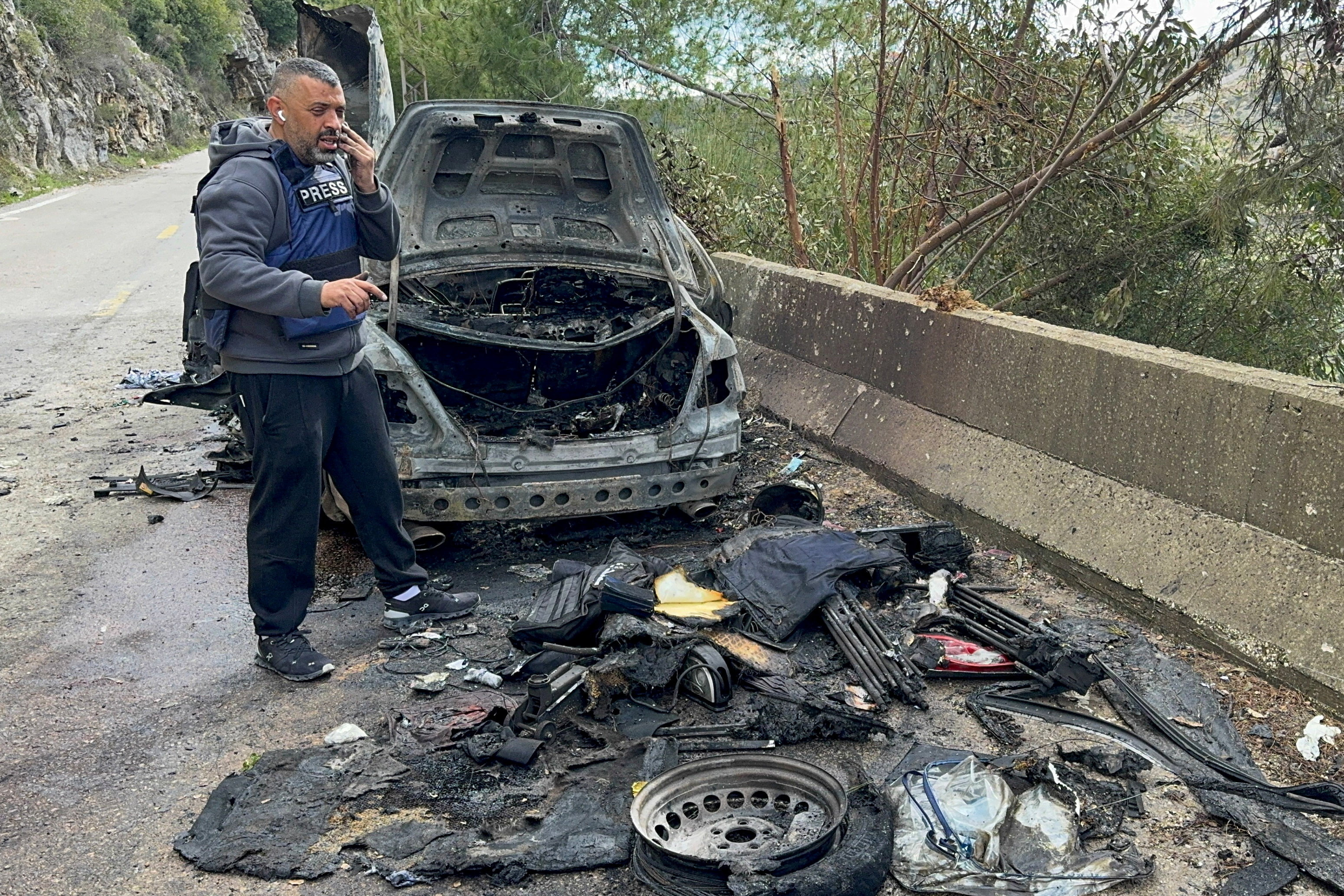




The Fatal Attack on Press in Jezzine
An Israeli airstrike hit a car carrying three Lebanese journalists in southern Lebanon's Jezzine on Saturday, killing Ali Shoeib from Al Manar TV, Fatima Ftouni, and her brother Mohamed Ftouni from Al Mayadeen, according to their stations. The Israel Defense Forces confirmed the strike on Shoeib, labeling him a "terrorist" from Hezbollah's Radwan Force who exposed IDF soldier locations.
Israel's Claims Against the Victims
The IDF stated that Shoeib had operated for years under journalistic cover to disseminate Hezbollah propaganda and track Israeli forces in southern Lebanon. Israeli authorities did not address the deaths of Fatima or Mohamed Ftouni in their statement. These accusations echo similar claims Israel has made against other reporters, highlighting a divide in how nations view media roles during warfare.
Lebanese Leaders' Outcry
Lebanese President Joseph Aoun described the strike as a "brazen crime" that violated international law by targeting reporters as civilians. Prime Minister Nawaf Salam called it a "flagrant violation of international humanitarian law" in a statement on X. Such condemnations reflect growing tensions, as Lebanese officials argue the attack breaches protections for journalists in conflict zones.
Pattern of Media Casualties
Al Mayadeen has lost six journalists since hostilities intensified, including Fatima Ftouni's uncle and others like Farah Omar earlier this month. Al Manar reported that Shoeib, one of its prominent correspondents, had covered Israeli attacks for decades before his death. This trend shows how strikes on media personnel, such as the killing of Mohammad Sherri and his wife on March 18, are becoming more frequent amid the conflict.

For example, the sources do not specify that Al Mayadeen has lost six journalists, only mentioning Fatima and Mohamed Ftouni in this strike.
Toll on Civilians and Families
A separate strike on Friday killed 11-year-old Jawad Younes and his uncle Ragheb Younes in their family compound, with survivors like Jawad's mother Malak Meslmani expressing defiance amid the grief. Over a million people have been displaced, straining resources and forcing families into precarious living conditions that mirror the broader human suffering from repeated bombardments.
Implications for Regional Stability
Hezbollah fired rockets into northern Israel in retaliation for attacks, including those after the killing of Iran's supreme leader, escalating operations across the border. Israeli forces have advanced towards the Litani River, claiming operations target Hezbollah but often hitting civilian areas. This cycle of violence, with groups like the Committee to Protect Journalists tracking over 129 global deaths in 2025, two-thirds attributed to Israel, raises questions about accountability in warfare.


The sources also report that five paramedics in the town of Zoutar were killed in an Israeli airstrike on Saturday, with human rights groups saying Israel's repeated attacks on healthcare workers in Lebanon could amount to war crimes.