ICE Whistleblower Exposes Defective Training as Agency Rushes to Hire
Revised after bias review
 Council News
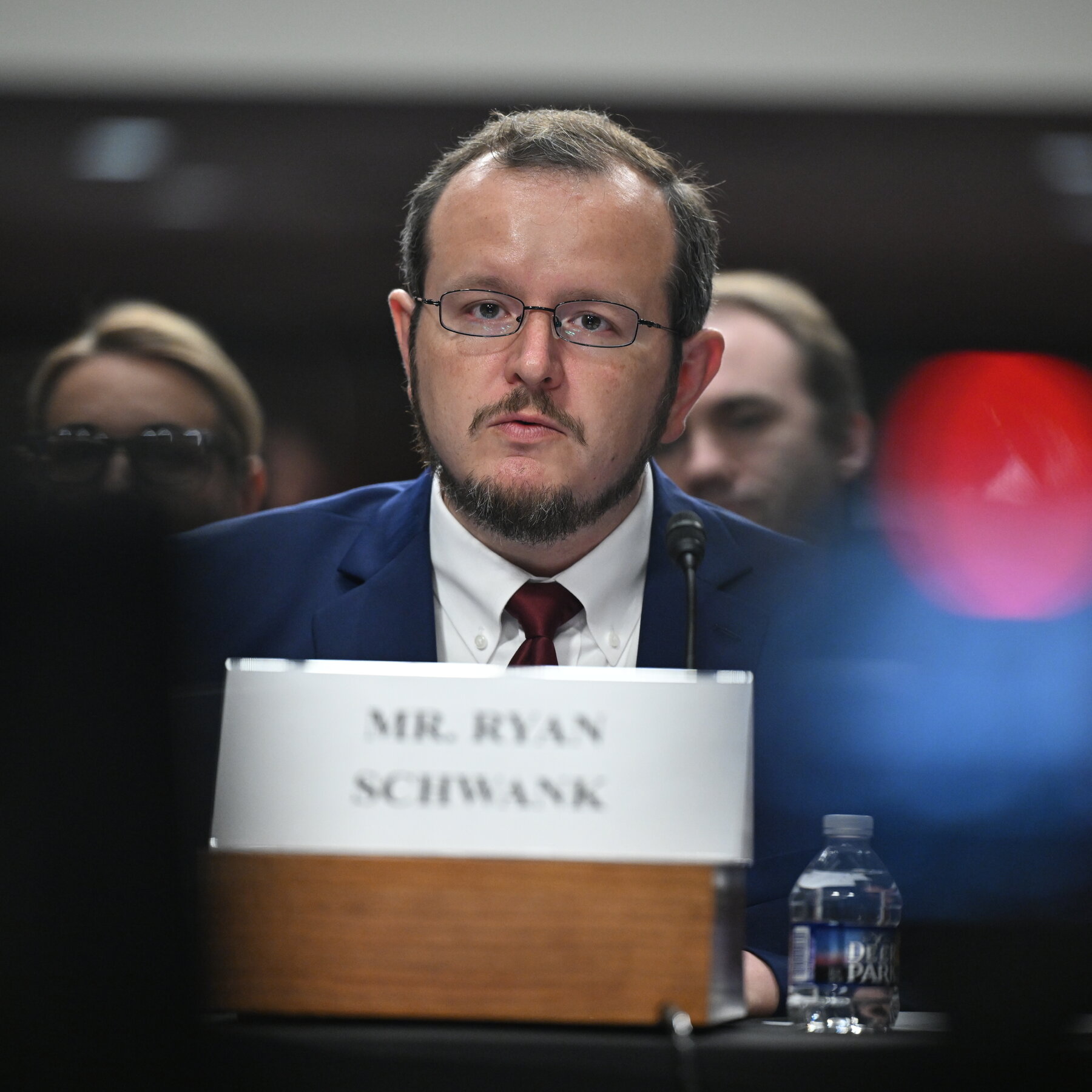





ICE whistleblower warning about defective training for new recruits reveals a systemic failure in law enforcement readiness. This affects public safety and immigration enforcement effectiveness—citizens should know if agencies tasked with their security are poorly trained.
An ICE whistleblower says new border agents are getting ‘defective’ training—raising the odds of botched raids that could affect immigrant families and their U.S.-citizen neighbors.
A former Immigration and Customs Enforcement lawyer told congressional Democrats on Monday that the agency is deploying new recruits into the field dangerously unprepared. Ryan Schwank testified that the agency has gutted training programs to meet hiring targets, cutting instructional hours so severely that new officers lack basic knowledge about when they can legally use deadly force. Schwank warned that if training cuts continue, enforcement actions could be conducted by agents who lack full understanding of legal boundaries.
Schwank accused ICE of misrepresenting its training standards. The agency has publicly claimed it maintains rigorous training standards even as it rapidly expands its workforce. Documents released by congressional Democrats show significant reductions in instructional hours across the board. New recruits are being sent into enforcement operations with what Schwank called "deficient, defective and broken" training.
A significant reduction has been noted in legal training. New ICE officers are receiving reduced instruction on the rules governing deadly force. The whistleblower also flagged cuts to training on warrantless entry into homes under exigent-circumstance exceptions, a power whose boundaries agents must understand to avoid violating residents' Fourth Amendment rights.
Schwank appeared at a public forum organized by Sen. Richard Blumenthal (D-Conn.) and Rep. Robert Garcia (D-Calif.). The agency is currently undergoing a major hiring surge. Schwank attributed the training cuts to pressure to quickly staff new positions.
Schwank warned that reduced legal training could increase the risk of enforcement errors. Wrongful entries or excessive force can expose the government to civil suits and erode community trust in law enforcement.
ICE's mission is to enforce immigration law. Schwank argued that this mission requires agents to understand the legal boundaries of their authority. His testimony aligns with concerns raised by civil rights advocates, who have argued that rapid hiring prioritizes speed over training quality.
Schwank testified publicly about training cuts at a forum organized by Democratic lawmakers.
Cross-referenced to ensure accuracy