Council News
Link copied

Global Markets Tumble as Iran War Threatens Food Crisis

Global Impact· 17 sources ·4h ago
Left
Center
Right
See why this story leans left

The Council scored this article a -1, as the inclusion of Transform Trade's report on smallholders accepting drastically reduced prices and the focus on the disproportionate impact on sub-Saharan Africa and Asia frame the conflict's consequences in a way that aligns with traditionally left-leaning concerns about economic inequality and global justice.

See the council’s votes

Energy Attacks in War on Iran Could Turn Economic Shock Into Long-Term Damage

Energy infrastructure attacks in the Iran conflict could cause long-term economic damage to the global economy. This represents a Tier 1 escalation with measurable economic consequences beyond speculation.

The economic repercussions of energy attacks in the war on Iran could lead to long-term damage, affecting global markets and energy prices.

See bias & truth review

Economic Instability Deepens

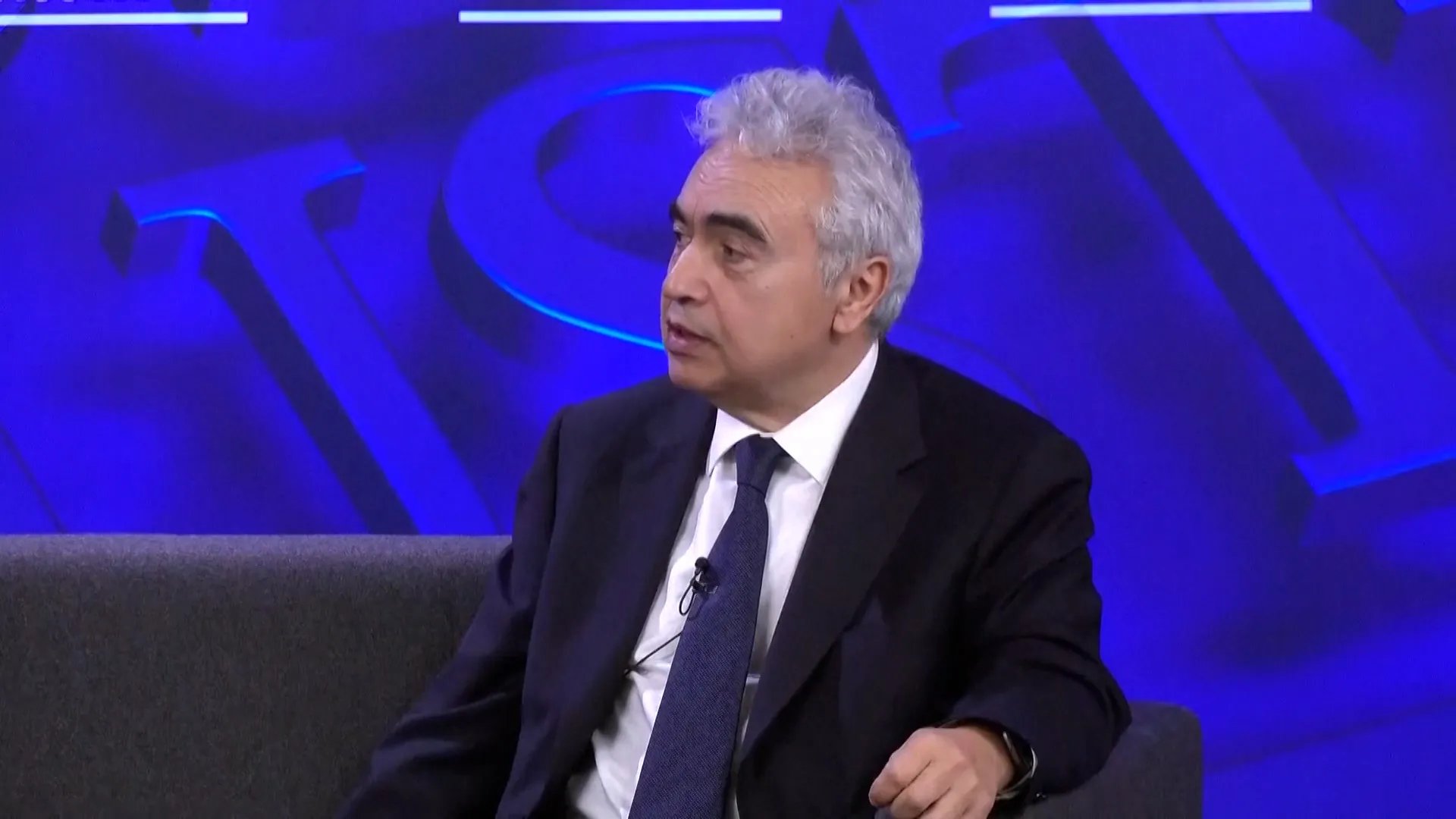
Global markets are experiencing turbulence as the war between the U.S., Israel, and Iran continues, raising concerns about stagflation. Germany's DAX dipped 2% in early trading, falling below 22,000 points, a 12% decrease since the initial attacks on Tehran on February 28. Several key Asian markets logged losses exceeding 3%. The executive director of the International Energy Agency, Fatih Birol, warned that the current economic instability could prove more severe than the two oil shocks of the 1970s and the aftermath of Russia's 2022 invasion of Ukraine combined, calling the situation a "major, major threat" to the global economy.

Supply Chain Disruptions

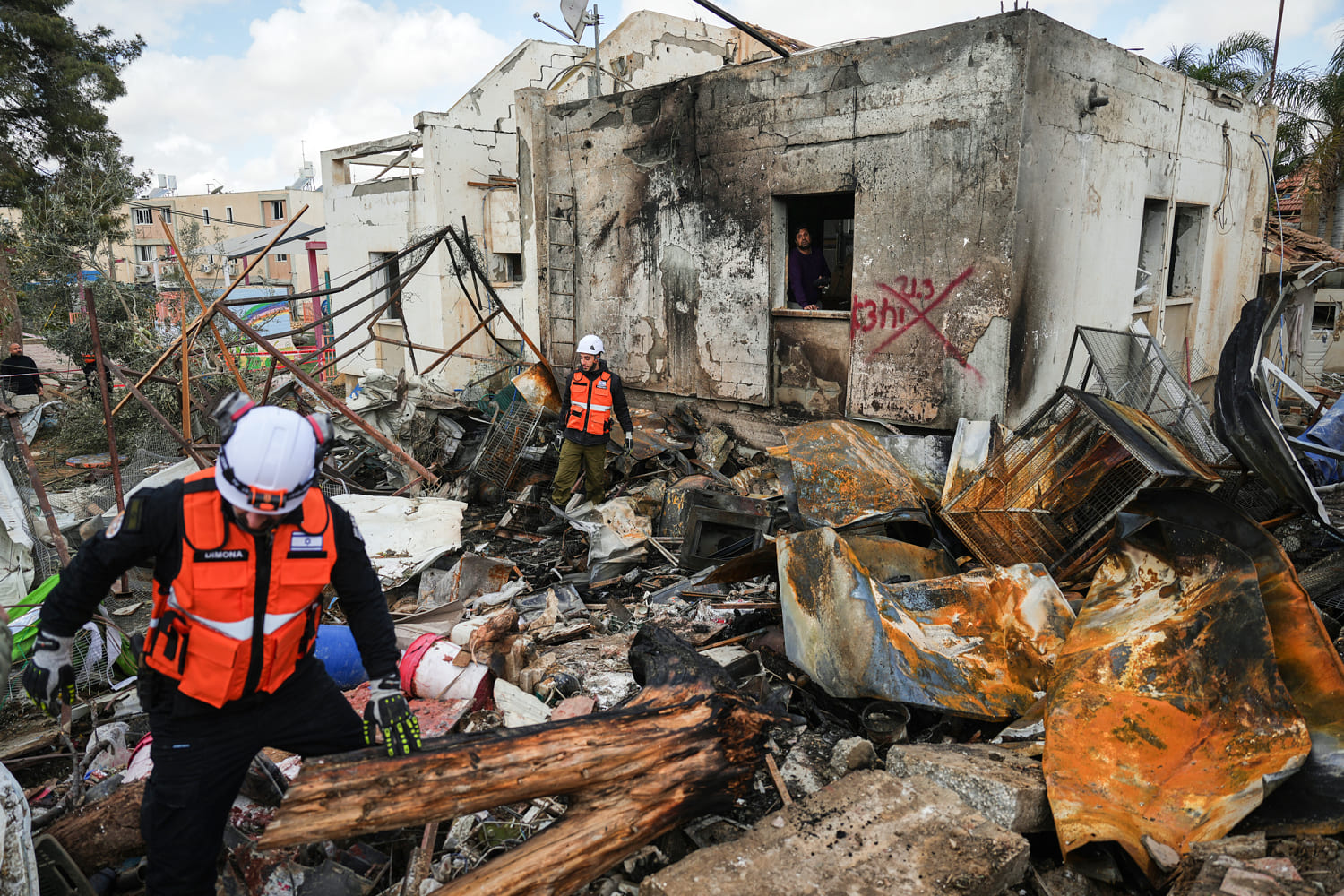
Beyond energy, the conflict is disrupting global food supply chains. Shipping routes for Tanzanian avocados are blocked, and air freight capacity is down. The Tanzania Horticultural Association warned its members that shipping lines suspended bookings for consignments across all routes and market destinations, including Europe, the Middle East, India, and China. Transform Trade, a campaign group, reports some smallholders are accepting prices as low as 50% of the usual rate, or struggling to sell at all.

Food Crisis Concerns

The rising cost of fuel and fertilizer is exacerbating the food crisis. Natural gas is used in the Gulf region to create urea, a key component of nitrogen fertilizer, and Hormuz is a critical export point. UNCTAD data from 2024 indicates Sudan sources over half of its fertilizer via Hormuz, while Sri Lanka sources more than a third and Tanzania 31%. The UN World Food Programme warns that an additional 45 million people could face acute hunger if the conflict continues and oil prices remain above $100 a barrel, with sub-Saharan Africa and Asia most severely affected. Staple food costs have already increased by 20% in Somalia.

Regional Impact on Iraq

Iraq is increasingly caught in the middle of the conflict between the U.S. and Iran, deepening its economic woes. The Oil Ministry announced a case of force majeure on all oilfields developed by foreign oil companies due to Strait of Hormuz disruptions, halting most of the country's crude exports. Al Jazeera reports that oil revenues account for 90% of Iraq's revenues. Air strikes have targeted the headquarters of the Iran-aligned Popular Mobilisation Forces in Baghdad.

Geopolitical Maneuvering

China is likely to remain neutral in the conflict, according to Han Shen Lin, director of the China Office at the Asia Consultative Group. Iran has used Spanish Prime Minister Pedro Sanchez's condemnation of the conflict as "illegal and inhuman" on missiles targeting Israel. Images show these messages in English and Persian on weaponry.

Actions to Mitigate Fallout

British Prime Minister Keir Starmer is chairing an emergency meeting on the economic fallout from the war. India's Prime Minister Narendra Modi stated the country has sufficient energy supplies, while acknowledging the conflict creates unprecedented challenges. Sweden's government will temporarily cut the duty on vehicle fuels to reduce the inflationary impact. Kenya Airways plans to add flights as seat occupancy rises due to passengers avoiding conflict zones.

Potential De-escalation

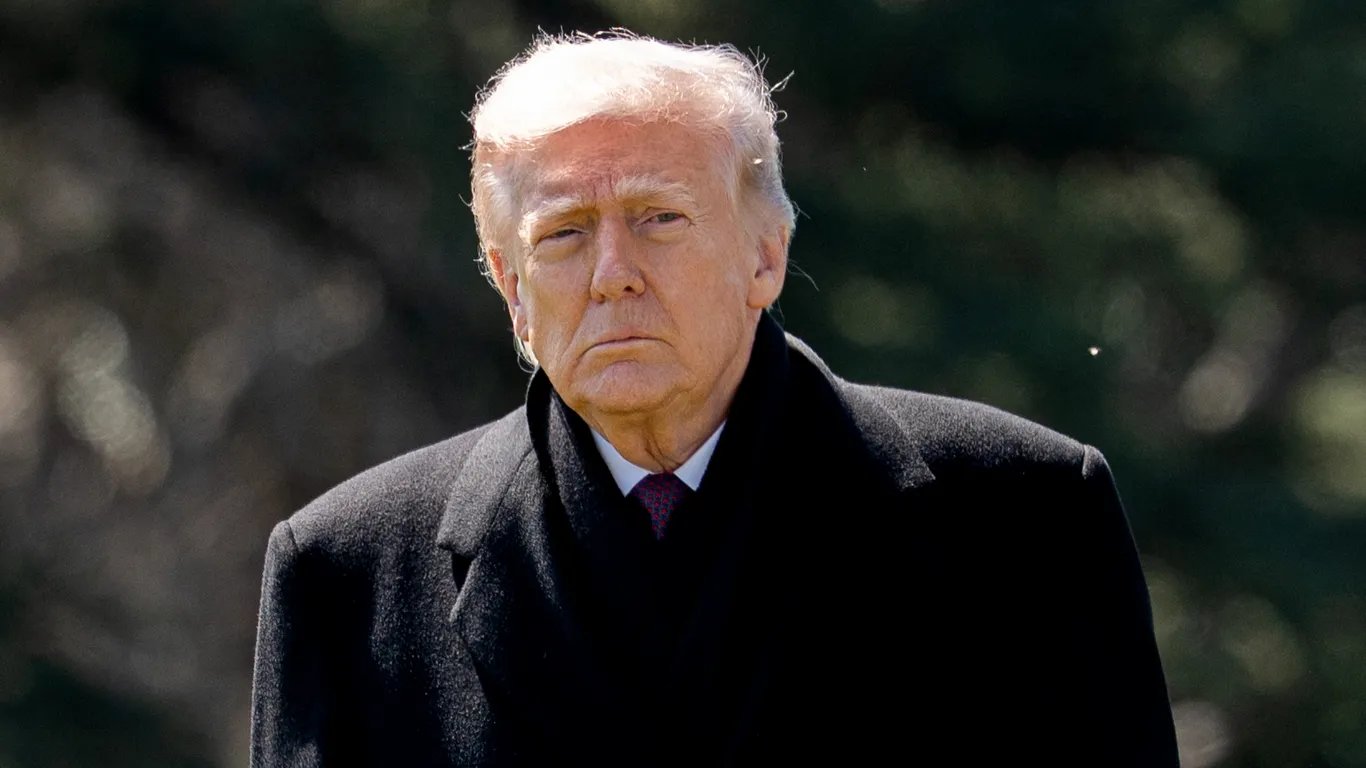
European stocks reversed sharp declines after President Donald Trump said there had been "very good" talks with Iran and that he was postponing military strikes on energy infrastructure. However, U.S. Treasury Secretary Scott Bessent said the United States may need to "escalate" its attacks against Iran to be able to wind down the war. Trump's deadline for Iran to reopen the Strait of Hormuz or face attacks on its power plants ends at 3:14am on Tuesday for Iran.
How others covered this story
The Guardian US Leans Left
Energy shock talk grabs headlines but the Iran war is also driving the world towards a food crisis | Heather Stewart
The Guardian emphasizes the potential for a food crisis, focusing on the impact on small-scale producers and supply chains due to rising fuel and fertilizer costs exacerbated by the conflict. It highlights the human cost and potential for widespread food insecurity.
Deutsche Welle Center
Global markets tumble with no end to Iran war in sight
Deutsche Welle focuses on the immediate market reactions, noting the decline in stock indices, rising bond yields, and even the drop in safe-haven assets. The framing is centered on the economic instability and investor nervousness stemming from the lack of de-escalation.
Al Jazeera Leans Left
Iraq pulled into Iran war as US targets Iran-aligned groups
Al Jazeera frames the story by highlighting US military actions within Iraq and their impact on regional stability. The focus is on the US strikes against Iran-aligned groups and the escalating tensions in the region.
South China Morning Post Center
Starmer calls emergency meeting on Iran war’s economic impact on UK
The South China Morning Post focuses on the specific vulnerability of Britain to the economic consequences of the war, particularly its dependence on imported gas and high inflation. It highlights the government's emergency response and investor concerns.

Sources (17)

Cross-referenced to ensure accuracy

New York Times Energy Attacks in War on Iran Could Turn Economic Shock Into Long-Term Damage
New York Times Sidelined by War With Iran, Gaza Residents Remain in Limbo
The Hill War against Iran has had ‘relatively marginal’ impact on nuclear program: UN weapons inspector
The Guardian US Energy shock talk grabs headlines but the Iran war is also driving the world towards a food crisis | Heather Stewart
Deutsche Welle Global markets tumble with no end to Iran war in sight
Al Jazeera Iraq pulled into Iran war as US targets Iran-aligned groups
Al Jazeera China ‘is playing the long game’ in Iran war by staying neutral
Al Jazeera Iran war: What’s happening on day 24 of US-Israel attacks?
South China Morning Post Starmer calls emergency meeting on Iran war’s economic impact on UK
South China Morning Post US may need to ‘escalate to de-escalate’ Iran war, Bessent says
Times of India Iran war: PM Modi lists key steps taken on oil & LPG supply - warns of lasting fallout
Times of India 'Illegal, inhuman': Iran sticks Spanish PM's 'no war' message on missiles targeting Israel
Bloomberg Kenya Airways to Add Flights as Iran War Drives Occupancy to 99%
Bloomberg European Stocks Spike On Iran War De-Escalation Hopes
Bloomberg Modi Seeks to Calm India as Iran War Causes Acute Gas Shortage
Bloomberg Sweden Proposes to Cut Fuel Tax and Reduce Iran War Price Impact
Bloomberg ECB Alert to Iran War’s Second-Round Effects, Guindos Says
Never miss a story.
Get the full experience. Free on iOS.
Download for iOS