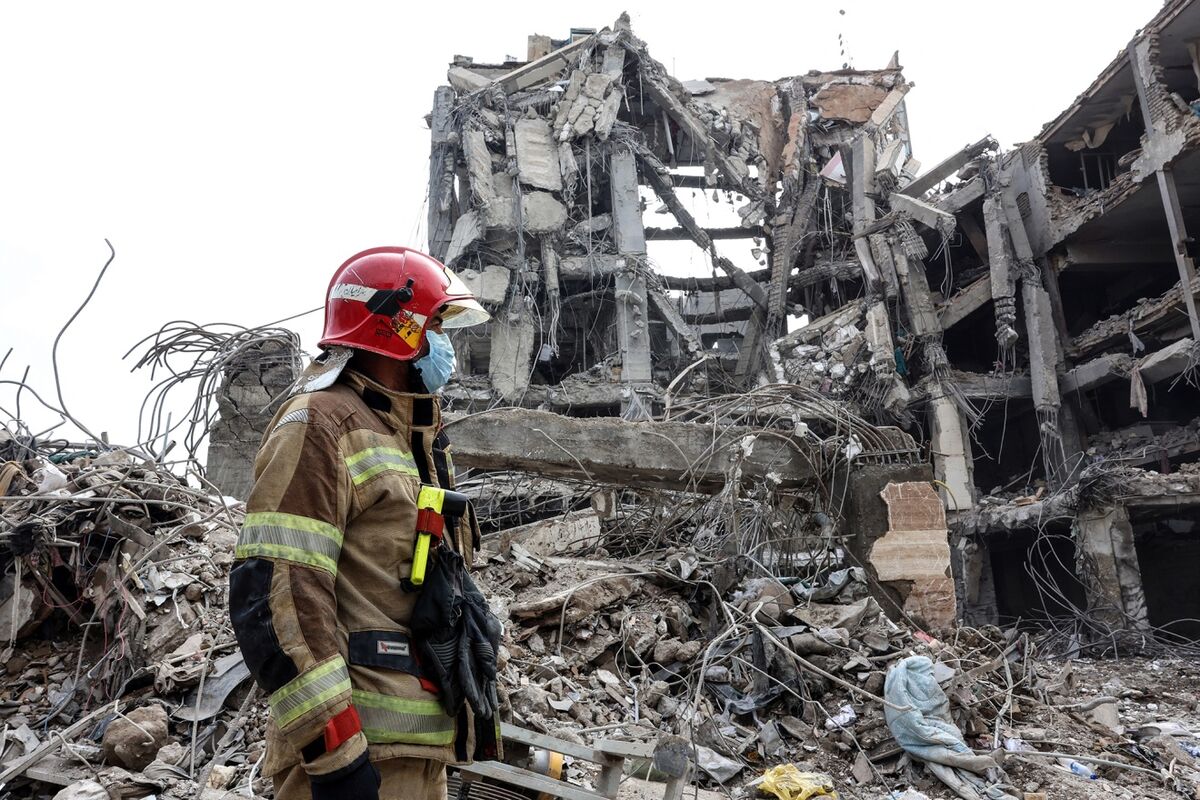
A filing revealed that a fluid release ignited the explosion and fire at the Valero refinery. The incident involved a sudden ignition that sources linked directly to the release. This development underscores risks for workers handling similar materials at the site.
The filing provided specific details about the fluid's role in the event.
Valero closed its Texas refinery in response to the explosion. The shutdown affected the facility's processing units, according to reports from those familiar with the situation. This move halted production and required immediate inspections to prevent further issues.
The closure involved evacuating staff from the site. Sources noted the refinery's role in supplying fuel to regional markets. Workers now face temporary job disruptions as a result of these safety measures.
The explosion generated concerns about environmental hazards for people living nearby. Emergency teams began assessing the area around the refinery. The incident drew attention to ongoing safety protocols at industrial sites. Residents reported increased anxiety about living close to such operations.
The blast injured several employees at the Valero refinery. Sources specified that four workers required medical treatment for burns and exposure. Valero implemented new safety checks across its facilities in the aftermath.
The company notified regulators about the incident's details. These steps aim to reduce the likelihood of future events affecting employment stability.
The shutdown disrupted fuel supplies from the Texas refinery. Sources estimated that daily output from the site equaled thousands of barrels of oil products. Businesses relying on these supplies now face delays in their operations.
Local economies tied to the refinery could see reduced activity. Transportation firms reported challenges in sourcing alternatives. This shift might lead to higher costs for consumers in affected areas.
Investigators are examining the fluid release for broader lessons. Sources pointed to similar past events at other refineries as a comparison. The findings could influence industry standards for handling hazardous materials.
Valero pledged to cooperate with oversight bodies on the matter. Community groups are seeking updates on preventive actions. These efforts highlight the need for stronger protections to safeguard public health.
The explosion at the Valero refinery shows how industrial accidents can directly threaten neighborhood safety and jobs. Families in Texas now await clearer plans from operators to avoid future risks. This event emphasizes the importance of rigorous safety practices in everyday energy production.
A filing revealed that a fluid release ignited the explosion and fire at the Valero refinery. The incident involved a sudden ignition that sources linked directly to the release. This development underscores risks for workers handling similar materials at the site.
The filing provided specific details about the fluid's role in the event. Sources indicated the release happened during routine operations at the Texas facility. Such incidents can disrupt daily life for nearby residents by posing immediate threats to air quality and safety.
Valero closed its Texas refinery in response to the explosion. The shutdown affected the facility's processing units, according to reports from those familiar with the situation. This move halted production and required immediate inspections to prevent further issues.
The closure involved evacuating staff from the site. Sources noted the refinery's role in supplying fuel to regional markets. Workers now face temporary job disruptions as a result of these safety measures.
The explosion generated concerns about environmental hazards for people living nearby. Sources highlighted potential contamination from the fire's aftermath, including airborne particles. Local families could experience health effects, such as respiratory problems, in the weeks that follow.
Emergency teams began assessing the area around the refinery. The incident drew attention to ongoing safety protocols at industrial sites. Residents reported increased anxiety about living close to such operations.
The blast injured several employees at the Valero refinery. Sources specified that four workers required medical treatment for burns and exposure. Valero implemented new safety checks across its facilities in the aftermath.
Training sessions for staff are now underway to address similar risks. The company notified regulators about the incident's details. These steps aim to reduce the likelihood of future events affecting employment stability.
The shutdown disrupted fuel supplies from the Texas refinery. Sources estimated that daily output from the site equaled thousands of barrels of oil products. Businesses relying on these supplies now face delays in their operations.
Local economies tied to the refinery could see reduced activity. Transportation firms reported challenges in sourcing alternatives. This shift might lead to higher costs for consumers in affected areas.
Investigators are examining the fluid release for broader lessons. Sources pointed to similar past events at other refineries as a comparison. The findings could influence industry standards for handling hazardous materials.
Valero pledged to cooperate with oversight bodies on the matter. Community groups are seeking updates on preventive actions. These efforts highlight the need for stronger protections to safeguard public health.
The explosion at the Valero refinery shows how industrial accidents can directly threaten neighborhood safety and jobs. Families in Texas now await clearer plans from operators to avoid future risks. This event emphasizes the importance of rigorous safety practices in everyday energy production.
Highlighted text was flagged by the council. Tap to see feedback.