




The Fed's Unchanged Rate and Its Wallet Impact
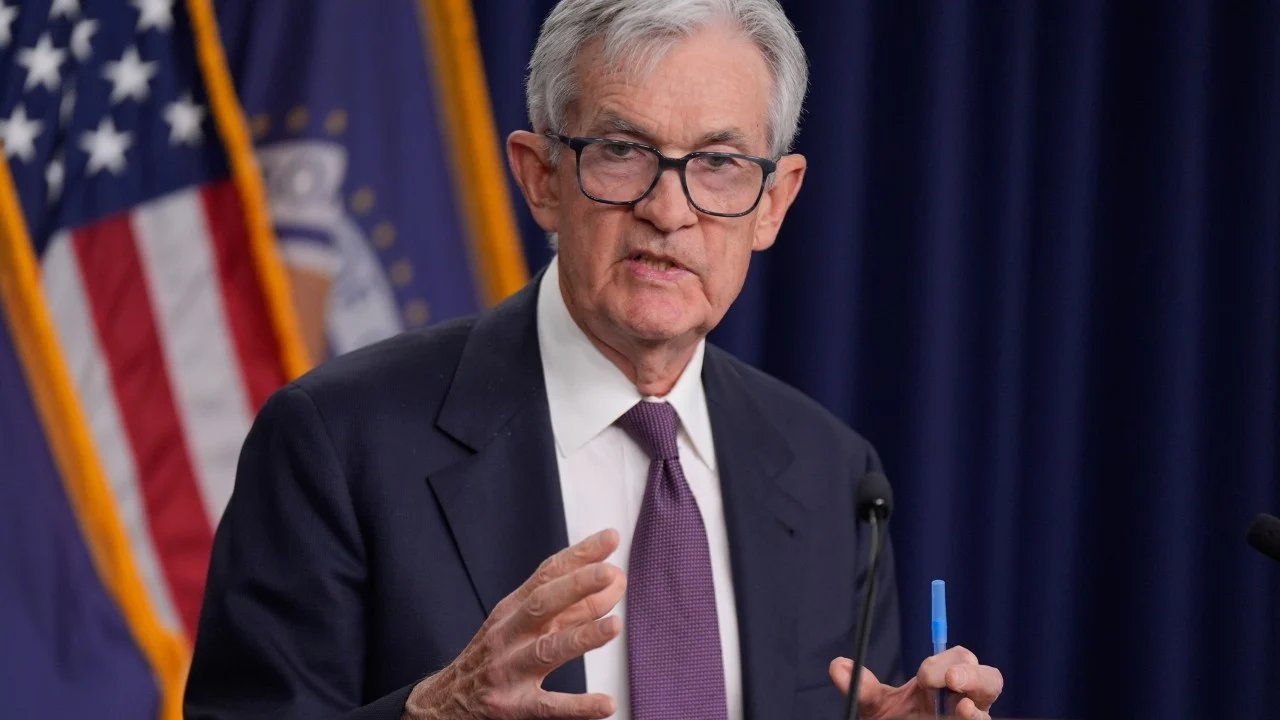
The Federal Reserve kept its benchmark interest rate steady at a range of 3.5 to 3.75 percent, as noted in its latest policy statement. This decision locks in borrowing costs for millions of Americans, affecting payments on mortgages, car loans, and credit cards directly. Jerome Powell, the Fed chair, highlighted that inflation remains "somewhat elevated relative to our 2% longer run goal," which could mean higher expenses for households amid rising energy prices.
Powell's Comments on Economic Uncertainty
Jerome Powell described the latest Fed forecasts as "unusually uncertain," pointing to external factors like the Middle East situation. He emphasized that higher energy prices will push up overall inflation in the near term, potentially slowing economic progress. Powell also stated he will remain Fed chief until his successor is confirmed, ensuring continuity in leadership decisions.
Dissent Among Policymakers and Rate Projections
Fed governor Stephen Miran dissented from the decision, favoring a quarter percentage point rate cut instead. New projections show 12 Fed officials anticipate at least one rate cut this year. Seven officials see rates staying on hold throughout 2026, while seven others see one cut. The median official expects 2.4% GDP growth and a 4.4% unemployment rate by year-end.
US Producer Inflation and Its Upward Trend
US producer inflation ran hotter in February, with prices increasing before the Middle East conflict intensified. This trend is expected to accelerate further amid the Iran war, according to economic reports. The Federal Open Market Committee added new language to its statement, noting that developments in the Middle East create uncertainty for the US economy, particularly in energy sectors.
Market Responses to the Fed Announcement
The dollar gained value after the Fed's rate decision, according to market observations. Wall Street ended higher on the day traders focused on the Fed, though stocks later dropped due to war-related jitters.
Treasury Operations and Bond Adjustments
The Fed's Treasury bill buying is on track to moderate, with ongoing efforts to rejigger bond holdings. This adjustment aims to manage liquidity in financial markets amid current pressures. Officials are balancing these operations against broader economic signals, ensuring stability in government debt markets.
The Fed's steady rates mean Americans face unchanged borrowing expenses for now, but with inflation tagged as elevated, households may need to adjust budgets for rising costs.