US Tariff Relief Could Raise Prices for Consumers Despite European Gains
Revised after bias review
 Council News
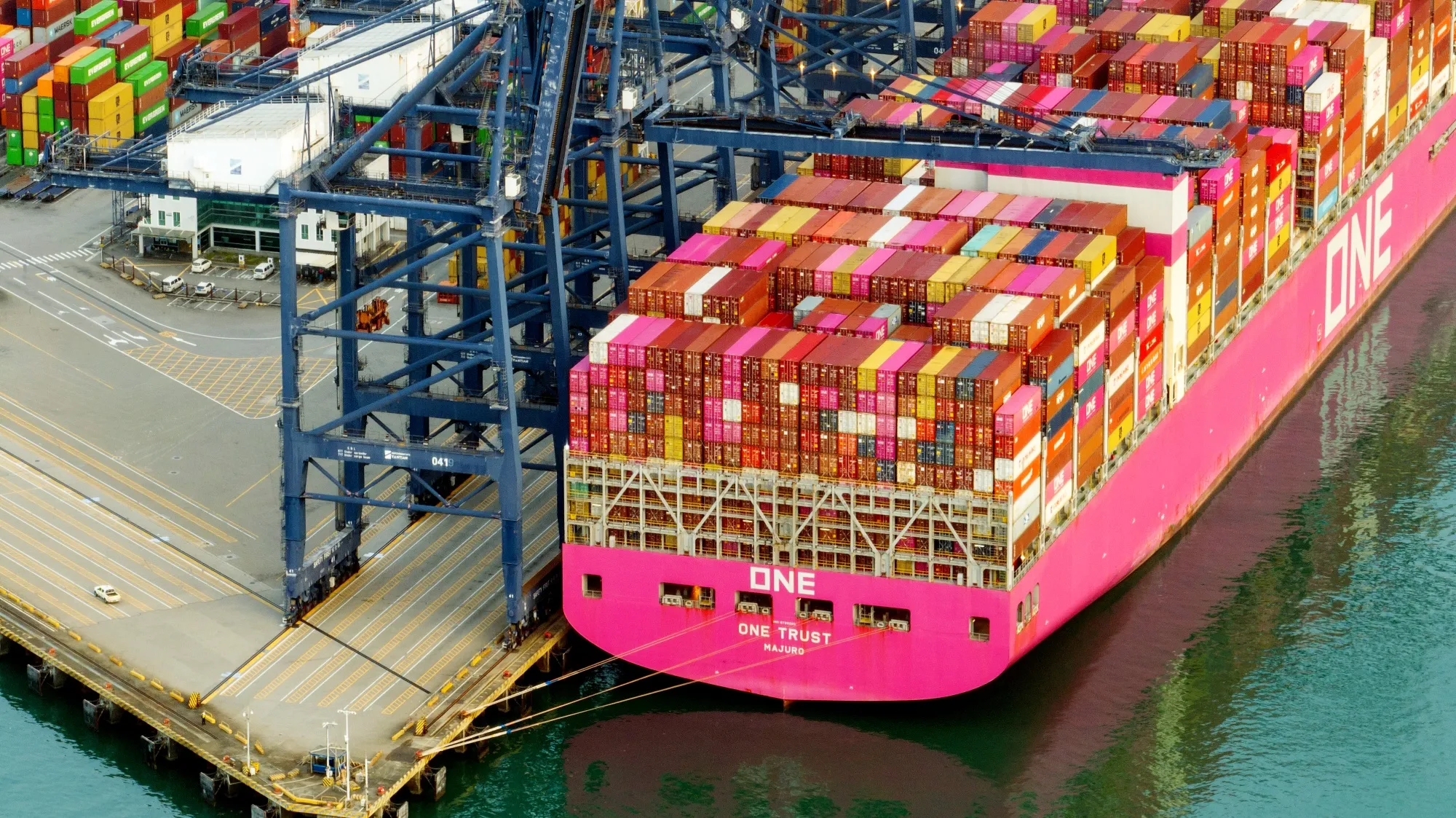





Even with tariff relief, European companies face new challenges, impacting their competitiveness and potentially raising prices for American consumers. This is a surprising twist that people will want to understand.
Europe faces tariff relief with hidden costs—18 sources confirm this is a major breaking story with direct impact on US-EU trade relations and consumer prices. High source count signals genuine importance that readers will want to understand.
This story highlights how US tariff relief on European imports could still lead to higher consumer prices, directly affecting Americans' daily expenses like goods and groceries; it's engaging due to the irony of 'relief with a sting,' making people stop scrolling to understand how their wallets are impacted.
Europe’s ‘relief’ still hides new tariff traps that will show up on American price tags within months. 18 sources signal global markets are watching; shoppers should too.
The U.S. Supreme Court's decision to overturn Trump-era tariffs on European imports has divided economists and business leaders over who will benefit. European companies and American importers are celebrating the ruling. But whether American shoppers will see lower prices remains unclear.
The Court struck down tariffs imposed on many European goods. The National Retail Federation called the ruling "a win for consumers." However, the same decision added new customs-documentation requirements that could raise compliance costs for importers.
Oxford Economics warned clients that retailers have no guarantee they will pass savings to shoppers. The firm noted that new supply-chain rules could offset tariff cuts. ING analysts calculated that documentation costs could add 1–2% to landed prices, erasing roughly half the tariff reduction.
Some importers say that even with tariff removal, a stronger euro and higher freight rates could keep shelf prices flat.
Small business owners expressed relief that the tariffs would not stifle their operations. Republican senators in swing states told Politico they were relieved the tariffs were struck down, fearing voter backlash over higher consumer prices.
Brazil's Vice President Alckmin stated that the ruling restores competitiveness to Brazil, which could shift trade dynamics in the region.
The Consumer Brands Association warned that any renewed tariff threat from a future administration could push prices higher.
Former President Donald Trump, the front-runner for the 2026 Republican nomination, said Saturday he would sign a new executive order reinstating 10% global tariffs if elected. That prospect has left businesses and consumers uncertain about the stability of trade policy.
The immediate impact on American shoppers remains unclear. Economists are split on whether tariff removal will lower shelf prices or simply widen profit margins for importers.
Cross-referenced to ensure accuracy