




Deadly Strike Details
A preliminary U.S. military assessment suggests outdated intelligence likely led to a deadly missile strike on a junior school in Iran, according to a U.S. official not authorized to speak publicly and a second person briefed on the findings. The bombing of the school has become a focal point of the conflict.
Tomahawk Missile Identified
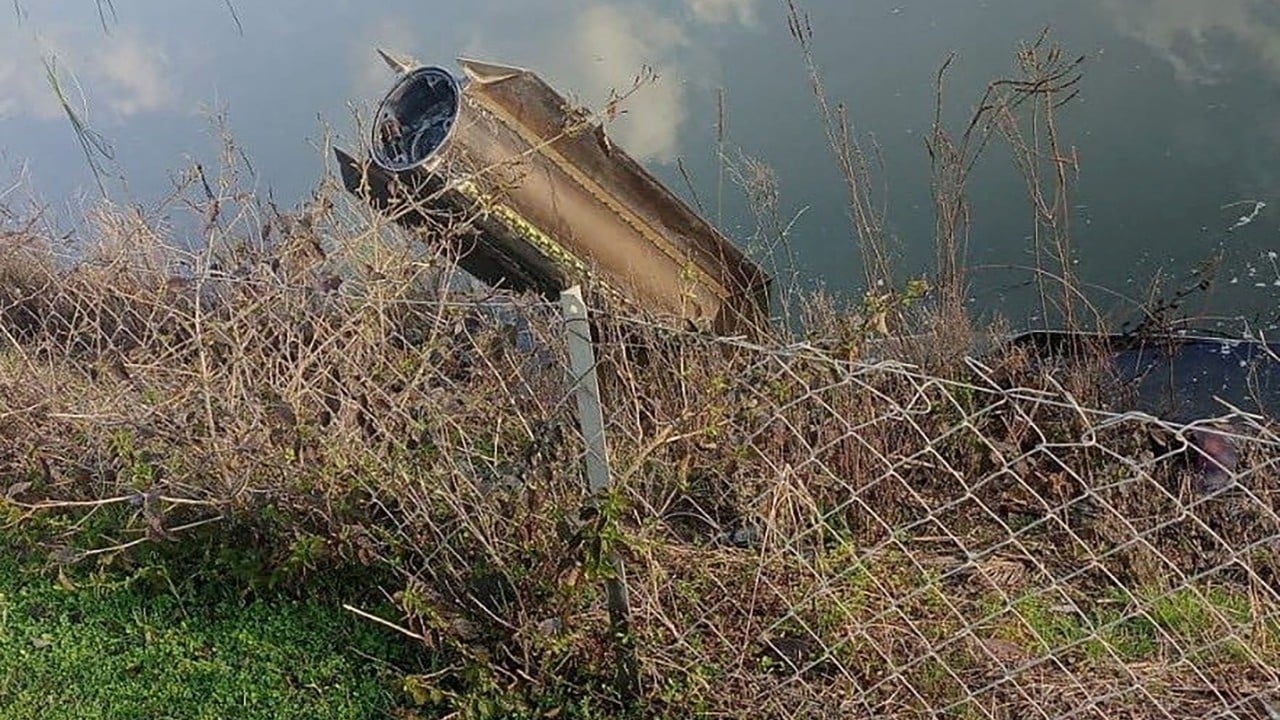
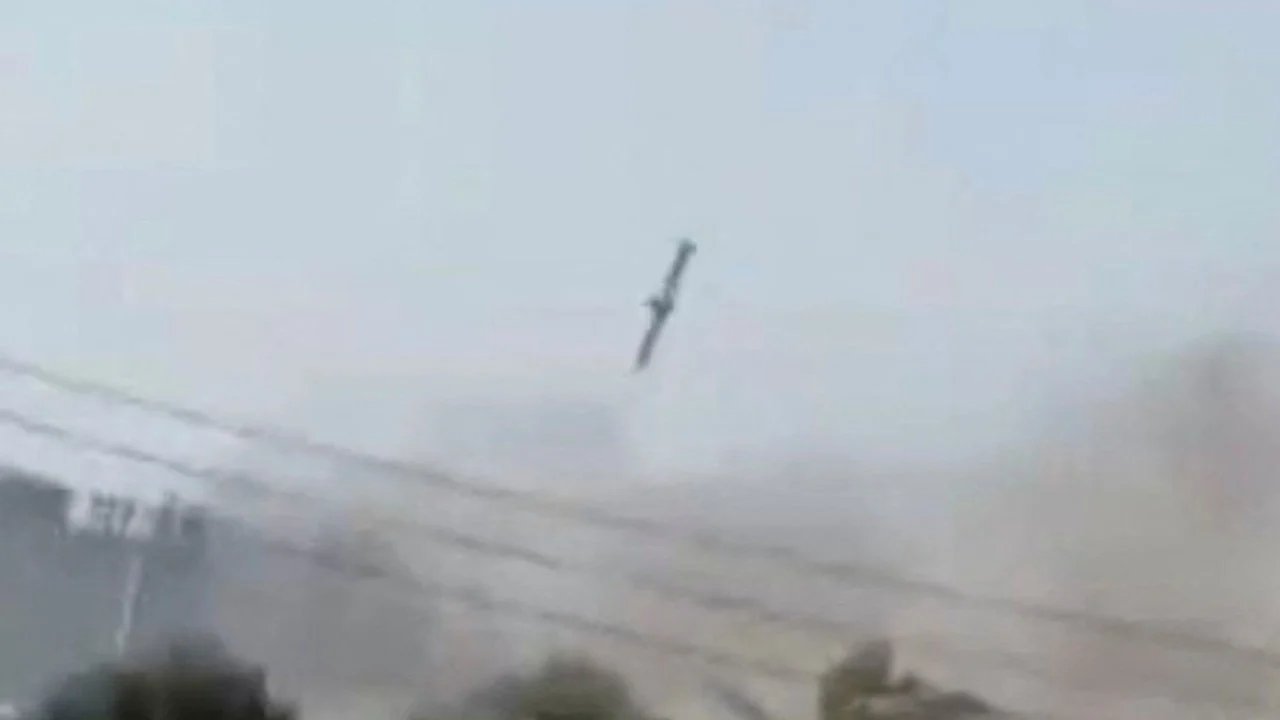
The military assessment suggests a U.S. Tomahawk cruise missile was responsible for the deaths. Iranian state media released pictures of Tomahawk missile components on a table in front of the school. Armament Research Services director N.R. Jenzen-Jones stated that the U.S. is the only country in the conflict that uses Tomahawks.
School's Past Military Use
NPR previously reported that the girls' school was once part of what had been an Iranian Revolutionary Guard naval base. It may have been shown on outdated U.S. target lists as a military building. Historical satellite imagery reviewed by NPR shows the school was walled off from the base sometime between 2013 and 2016. A public health clinic on the base was also struck.
Trump's Denial and International Reaction
President Trump told reporters Wednesday that he was not aware of the investigation's findings. Trump suggested Iran or another country may have fired the missile, calling U.S.-made Tomahawks "very generic" weapons. Italian Prime Minister Giorgia Meloni condemned the strikes, saying the attack fell "outside the scope of international law." Meloni expressed "firm condemnation."
Pentagon's Civilian Casualty Mitigation
Congress directed the Pentagon to reduce civilian casualties as part of a 2019 law. The Defense Department created the Civilian Harm Mitigation and Response initiative during the Biden administration. These teams work with military commanders on target planning and making sure that targets are actually military sites. They help come up with "no strike" lists, including religious and cultural sites and schools.
Mitigation Efforts Scaled Back
Secretary of Defense Pete Hegseth scaled back the special Pentagon office to prevent the accidental targeting of civilians soon after taking office last year. The U.S. official told NPR that Hegseth's decision meant that the U.S. Central Command had only one staffer assigned to civilian casualty mitigation operations. White House spokesperson Anna Kelly said that the United States does not target civilians.
Impact of Reduced Staff
Yale Law School professor Oona Hathaway said that at every level, civilian protection has been deprioritized. The U.S. official also said that due to Hegseth's decision to cut Defense Department funding to prevent civilian casualties, military commands were paying out of their own budget for analysts to do the work that had once been centrally planned. The formal investigation into the missile strike is expected to take months and will include interviews with planners, commanders, and those who carried out the strike.