Russian Warplanes Detected Off Alaska, U.S. Jets Scrambled in Response
Revised after bias review
 Council News





NORAD detecting Russian planes off Alaska raises immediate security concerns and the potential for escalation, which is something people will want to know about.
NORAD's detection of Russian planes near Alaska highlights ongoing geopolitical tensions that could affect U.S. defense and regional security; readers will be pulled in by the surprise element and its relevance to potential conflicts impacting American borders and daily life.
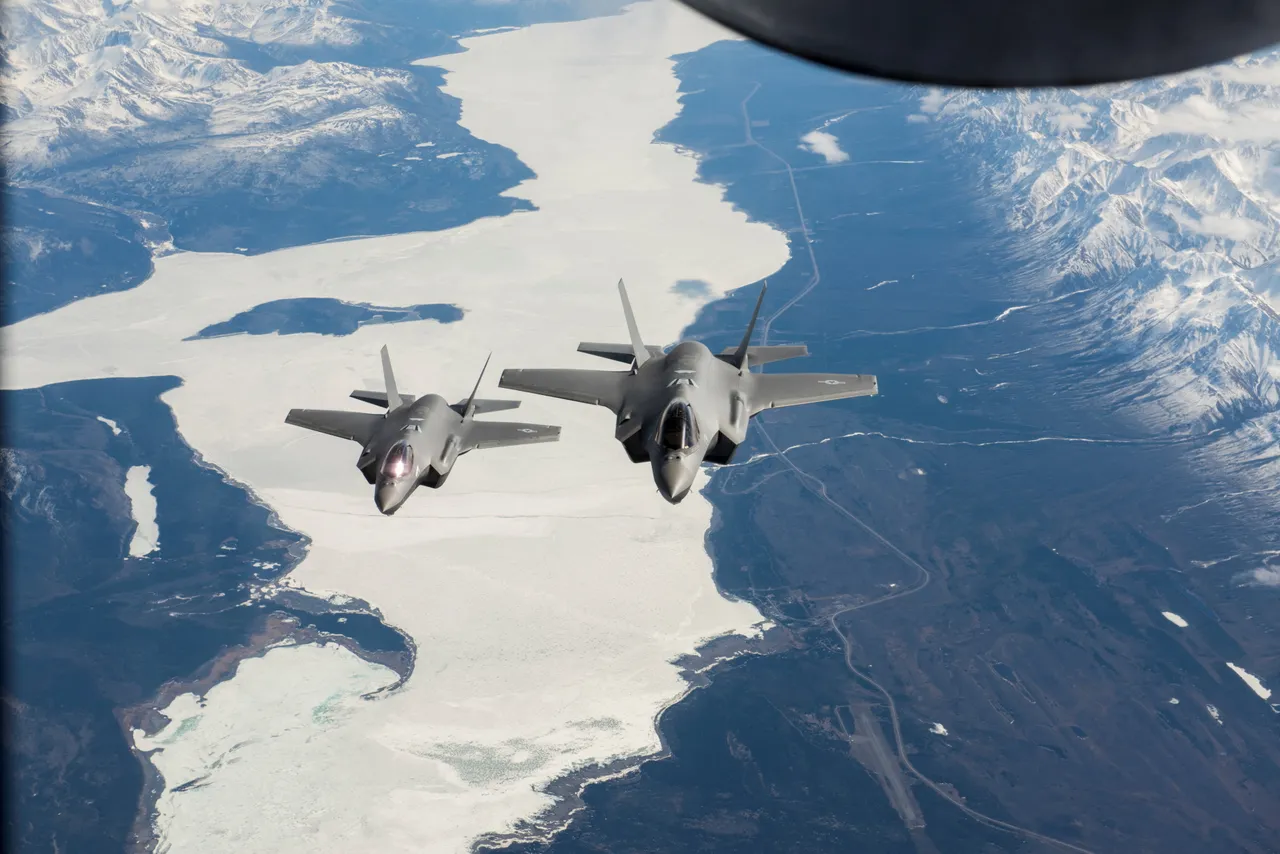
The North American Aerospace Defense Command detected five Russian military aircraft approaching Alaska. Two Tu-95 bombers, two Su-35 fighter jets, and one A-50 spy plane entered the Alaskan Air Defense Identification Zone, the airspace that extends outward from U.S. territory where foreign aircraft must be monitored and challenged.
U.S. fighter jets scrambled to intercept the formation. NORAD tracked and shadowed the Russian planes until they departed the zone.
The incident reflects ongoing military operations by both nations in the Arctic. Russia conducts reconnaissance near U.S. borders. The U.S. and NATO allies conduct similar operations near Russian territory. These activities occur amid U.S.-Russia relations marked by competition.
These flights carry strategic weight. The A-50 is a sophisticated airborne early warning and control plane that functions as a flying radar system designed to gather intelligence on U.S. and allied military movements.
Its presence alongside combat aircraft suggests a coordinated reconnaissance mission rather than a routine patrol.
The Tu-95 bombers are long-range nuclear-capable aircraft that can carry cruise missiles. The Su-35 fighters are among Russia's most advanced combat jets. Together, the formation demonstrates Russian military presence and tests American air defense capabilities in the Arctic region, an area of growing geopolitical importance as climate change opens new shipping routes and resource access.
Russia has conducted similar operations in recent years, asserting its presence in the Arctic. Each intercept requires American pilots to launch, burn fuel, and maintain readiness. The frequency of these encounters reflects ongoing military activity between the two nations in the Arctic region.
NORAD's ability to detect and respond to these flights depends on constant vigilance. For now, the system worked as designed: Russian aircraft were identified, tracked, and escorted out without incident.
Each encounter carries the risk of miscalculation or accident in airspace where margins for error are thin.
Cross-referenced to ensure accuracy