India Postpones Trade Talks, Threatening Higher US Prices on Drugs
Revised after bias review
 Council News
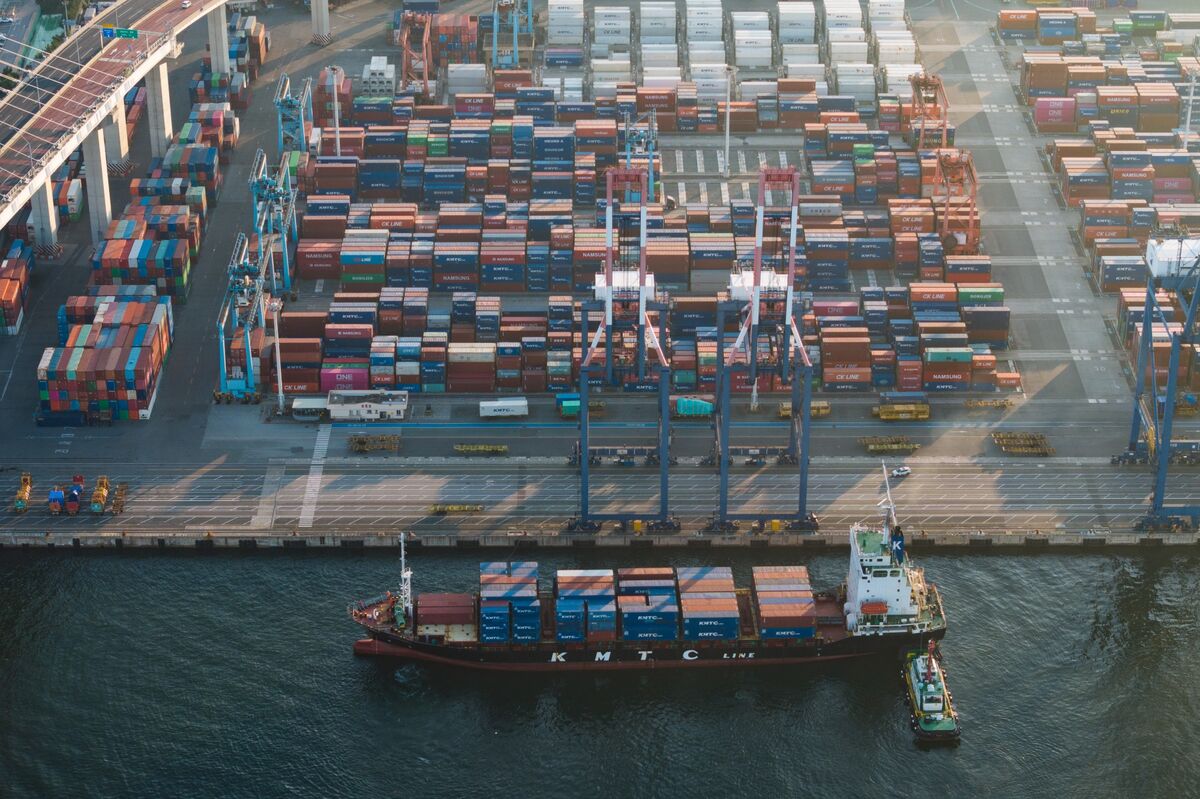





India's postponement of a trade pact with the U.S. due to tariff rulings could have economic ramifications that affect U.S. markets and trade relations, making it a relevant story for American readers.
India just postponed a U.S. trade trip over Trump’s tariff ruling—Americans could see price hikes on everything from generic drugs to tech support, so they’ll click to see what’s delayed.
The US Supreme Court struck down President Donald Trump's broad emergency tariffs, prompting India to postpone trade talks with the United States. An interim trade pact between the two countries now sits unsigned. The delay leaves the timeline for any tariff-lowering agreement uncertain.
The Supreme Court invalidated the emergency tariffs. Indian trade officials canceled their planned trip to the US, which was meant to finalize the interim pact. The postponement creates uncertainty about when negotiations will resume.
Governments worldwide are taking a cautious approach. Some countries reaffirmed existing trade agreements to protect their economies. China and Canada have signaled they will monitor US actions closely before making changes.
Until a new agreement is reached, current tariff levels on imports remain in place. This affects goods ranging from pharmaceuticals to electronics. The delay means prolonged uncertainty about whether import costs will fall or stay steady.
Indian officials have not set a new date for resuming negotiations. The US government must clarify its tariff framework before talks can move forward. For American consumers and businesses, the outcome could reshape import costs in the coming months.
Cross-referenced to ensure accuracy