Fed's Logan: Inflation Eases, Sparing Borrowers from New Rate Pain
Revised after bias review
 Council News
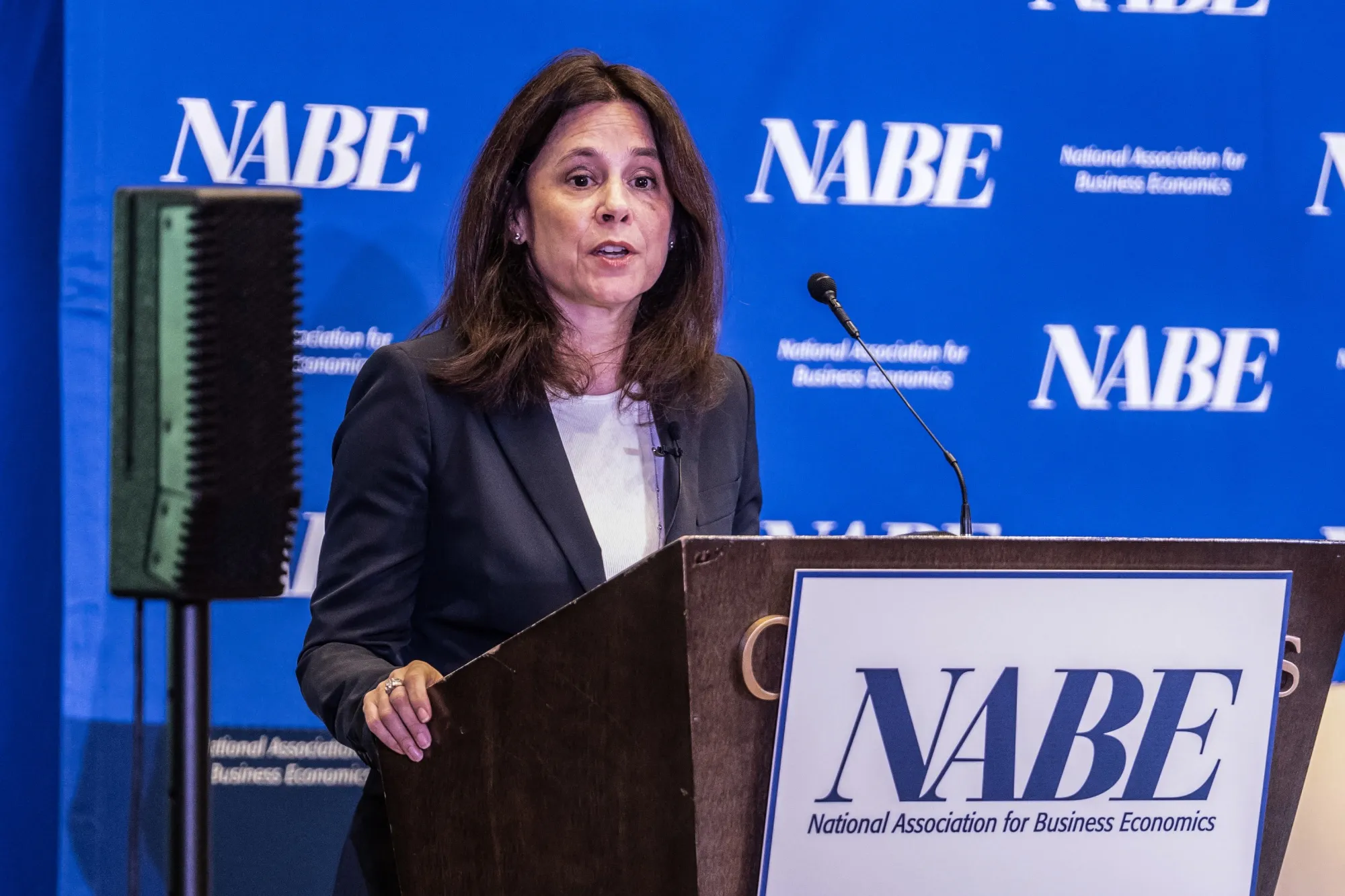





Fed's Logan saying inflation is easing is important for people's wallets and future spending, and her perspective on rate policy is something people will want to read to understand the economy's direction.
Fed officials discussing inflation and interest rates is crucial for understanding economic trends that affect mortgages, loans, and overall financial planning for families.
The Fed official's comments on easing inflation could signal relief for everyday expenses like groceries and rent, helping citizens make informed financial decisions; this story has reader appeal through its direct economic impact and the hope it offers amid recent cost-of-living struggles.
Fed’s Logan signals inflation is cooling and rates are on hold, calming both investors and credit-card holders wondering if APRs will jump again.
Federal Reserve official Lorie Logan said inflation is easing. If that trend continues, the Fed is unlikely to raise rates, keeping your monthly mortgage, car, or credit card payments from climbing higher. But other Fed officials warn the economy's strength could keep inflation pressures alive, leaving the path forward uncertain.
Lorie Logan stated that inflation is easing based on recent data. She said current rate policy is "well positioned" to address economic risks. Raphael Bostic offered a different view. He stated that "pretty strong" GDP growth raises inflation concerns and could sustain inflation pressures, potentially complicating efforts to reach the Fed's 2% inflation target.
December's personal consumption expenditures (PCE) index remained at 3% year-over-year, matching expectations. Price increases persisted in housing and services. Lorie Logan and other Fed officials are maintaining current rates while seeking more evidence of lasting cooling before considering cuts. US equity funds saw their largest weekly inflow in five weeks.
Slower inflation means prices would rise more gradually than last year. This limits—but does not reverse—cost-of-living increases. At the current 3% rate, prices still rise faster than many savers' interest earnings, continuing to erode purchasing power. Grocery bills and rent could climb more slowly. Sonal Desai, chief investment officer at Franklin Templeton Fixed Income, said she sees no need for additional rate cuts at this time. Holding rates steady could help avoid increased borrowing costs.
Fed policymakers are weighing competing signals. Logan's view that rates are "well positioned" represents one perspective inside the Fed. Bostic's concern that strong job numbers could sustain inflation represents another. The relative weight of these views among Fed officials remains unclear. The Fed's next decision will determine whether your loan payments stay flat or start climbing again.
Cross-referenced to ensure accuracy