Cuba's Solar Gamble: How Blackouts Are Forcing an Energy Revolution
Revised after bias review
 Council News
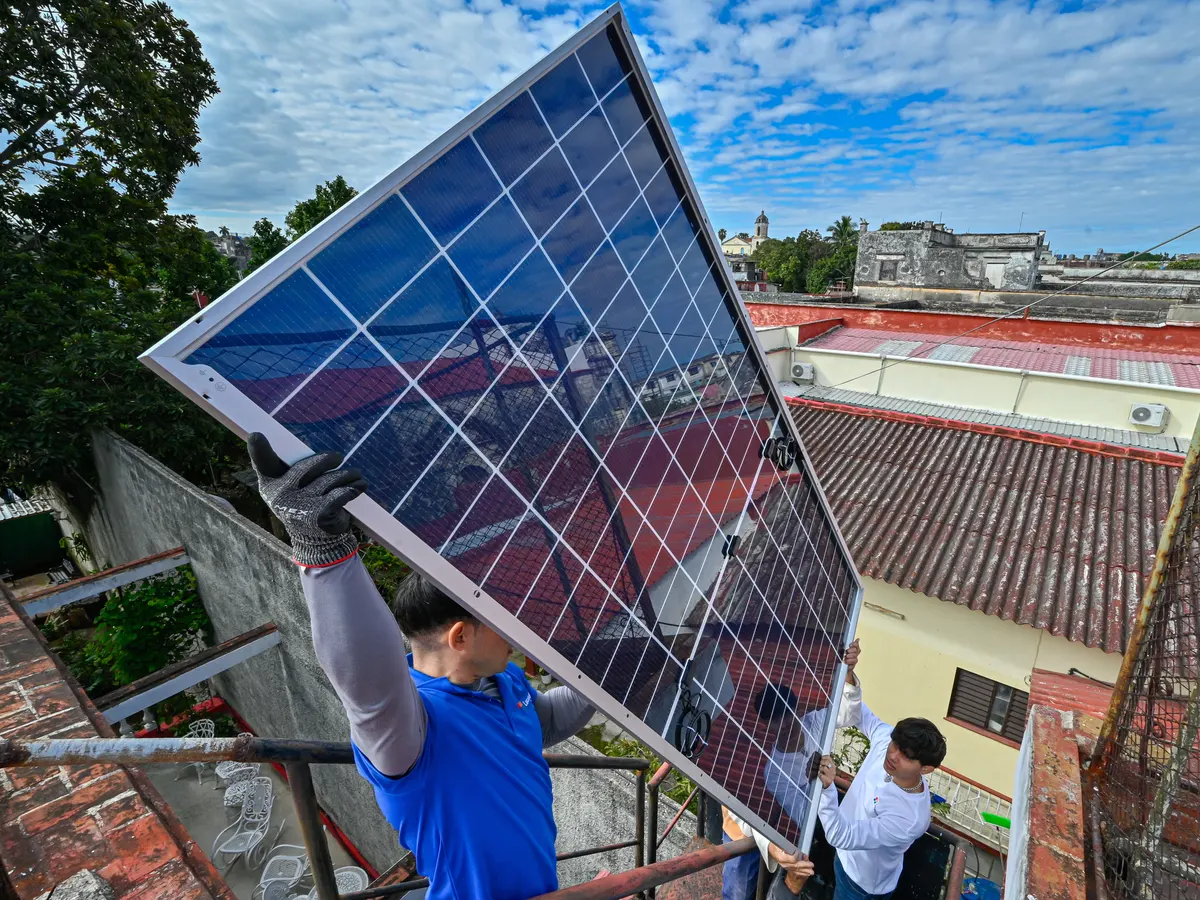





Cubans using solar power due to blackouts and US oil sanctions highlights the real-world impact of US foreign policy and a creative solution, making it both important and interesting.
Franklin's argument highlights the intersection of energy policy, foreign relations, and grassroots innovation, which are highly relevant issues today. The story illustrates how individuals adapt to systemic challenges, making it both significant and engaging for readers. It addresses the impact of US sanctions on everyday life in Cuba, which is a critical perspective that deserves attention. Therefore, I recognize the importance of the story and would change my position.
Cuba faces rolling blackouts that last many hours daily. The U.S. has tightened pressure on oil flows to Cuba. Cuba's power infrastructure, built decades ago, struggles to function without reliable fuel supplies. The result: families cook by candlelight. Hospitals depend on generators. Businesses have shut down.
Faced with daily blackouts, Cubans are installing solar panels on rooftops and balconies. A residential solar installation requires significant financial investment for a country where most workers earn very little monthly.
Cuba's power infrastructure was already fragile before fuel supplies tightened. Without reliable fuel, the system has begun to fail.
The blackouts impact rural areas and working-class neighborhoods most severely, as residents there often lack funds for solar systems. Urban areas see more installations. Hospitals and schools struggle to function. Businesses that depend on steady electricity have closed.
Across Havana and other cities, rooftops are sprouting solar arrays. Cubans are buying panels from private dealers and installing systems themselves or hiring neighbors with technical skills. Private entrepreneurs have emerged to sell and install systems.
For those who can afford it, solar provides relief. A family with a working system can keep food from spoiling and charge phones and laptops. Access to solar power is unequal. Cubans with higher incomes and solar systems experience fewer disruptions. Their neighbors continue to face blackouts.
Rooftop solar can ease household outages but cannot fully replace the island's centralized grid. The island needs large-scale power generation to run factories, hospitals, and public services. Residential solar helps families manage immediate needs but does nothing to restart the economy or restore the grid.
As long as Cuba faces restricted oil access, blackouts will likely continue. Solar power provides a way for Cubans to manage the crisis. For Cubans without the financial resources to install solar panels, blackouts remain a daily reality.
Cross-referenced to ensure accuracy