Chevron's Exclusive Talks with Iraq Could Spike Global Oil Prices
Revised after bias review
 Council News
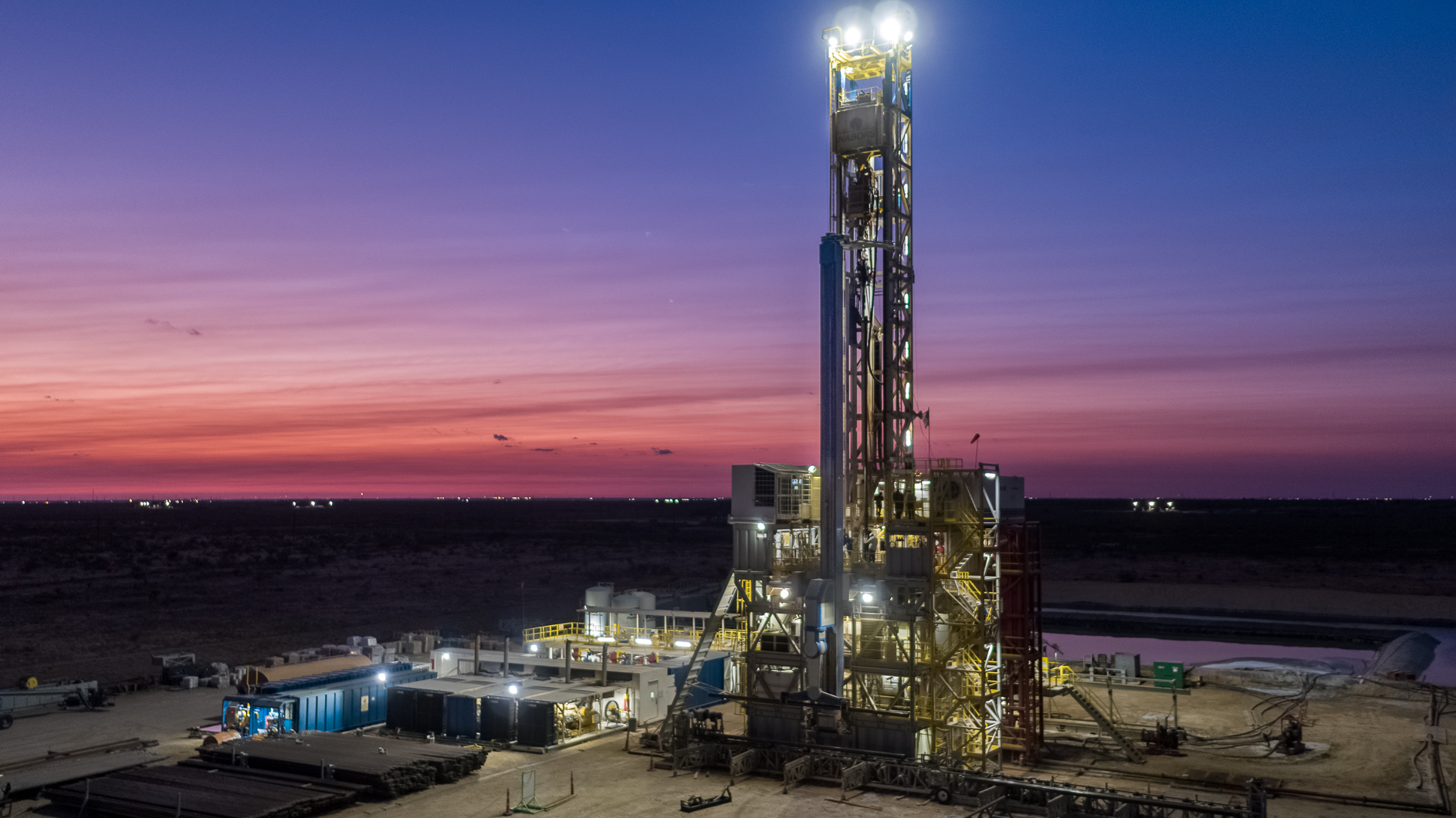





The exclusive talks between Chevron and Iraq over the West Qurna 2 oilfield could have major implications for global oil supply and prices. This story is undercovered, and its potential impact on energy markets and U.S. gas prices makes it highly shareable.
Chevron's agreement for exclusive talks on the West Qurna 2 oilfield in Iraq is ignored by most outlets (1 source), yet it has high impact as an international story with US implications for energy supply chains and gas prices. The counterintuitive angle—US companies deepening ties in volatile regions—could go viral as people realize how global deals affect their wallets. The council can add value by analyzing overlooked security risks and economic ripple effects for Americans.
Chevron and the Iraqi government have agreed to exclusive negotiations over the West Qurna 2 oilfield, one of the world's largest oil fields with an estimated 14 billion barrels of reserves. This agreement represents Chevron's entry into negotiations for a major Iraqi asset as it seeks to expand its footprint in Iraq's oil sector. Iraq has faced security challenges and political instability in recent years.
Oil prices respond to supply and demand. Major production agreements can influence market expectations. Chevron's involvement could increase production. However, security analysts have raised concerns about operational risks in Iraq's unstable environment.
The West Qurna 2 oilfield is a critical asset in Iraq's energy landscape. Iraq continues to face security challenges and political instability, which could complicate Chevron's operations. The negotiations will likely focus on production rights and ensuring a secure environment for Chevron's investments.
As Chevron moves forward with these talks, market analysts are closely monitoring developments. Any agreements reached could set the tone for future U.S. investments in Iraq and similar regions. Some energy analysts suggest increased Iraqi production could lower U.S. gas prices, though geopolitical risks could offset this effect. Geopolitical risks in Iraq could limit production gains or disrupt operations.
The outcome of Chevron's negotiations could influence U.S. energy markets, though global factors will also play a role.
Cross-referenced to ensure accuracy
MISSING PERSPECTIVE: The summary presents only Chevron's and Iraq's positions. It does not include perspectives from: competing oil companies, Iraqi civil society, environmental groups, U.S. policymakers, or other stakeholders. A reader learns only about potential market effects and security risks—not about competing interests or alternative viewpoints on whether this deal serves Iraq's or America's interests.